
22:46Machine-translated from Azerbaijani by AIRead in Azerbaijani
AI Is Being Given Doctors’ Powers in the US: It Will Examine Patients and Write Prescriptions
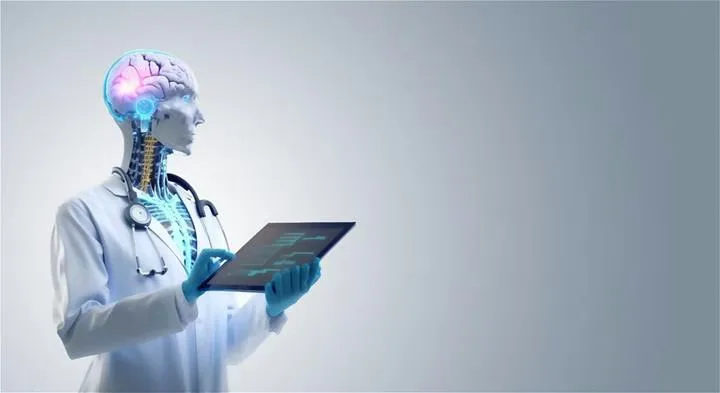
A new pilot project on the use of artificial intelligence in healthcare has been launched in the US. Under the program in Utah, AI will be able to assess patients’ conditions, select a treatment and prescribe medication without a doctor’s prior approval. The initiative is noteworthy because it gives AI broader authority in making medical decisions.
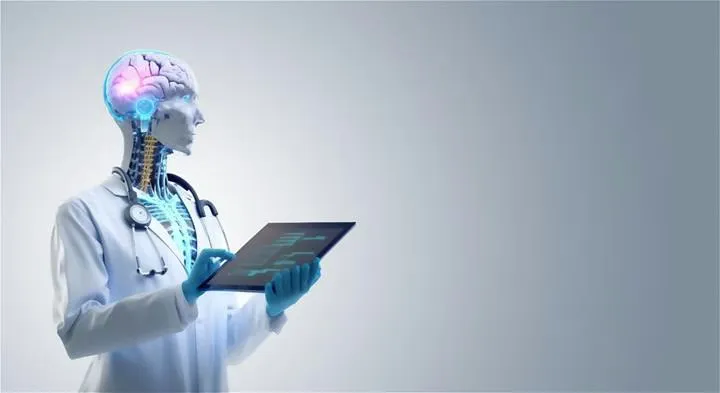
The project is being carried out by a healthcare startup called Nolla Health. During the initial phase, the system’s capabilities will be severely restricted. The one-year pilot program will cover only patients with mild to moderate acne, or pimples.
People who want to use the service will register in the Nolla Health app and pay $4.99 per month. They will then upload photos of their faces to the system and provide information about their medical history and health status through a special questionnaire.
Based on this information, the AI will analyze the patient’s skin and determine the type and severity of the acne. The system will also assess the skin’s oiliness and express the severity of the condition as a numerical score.
After the collected information is compared with the patient’s medical history, the AI will select one of eight preapproved treatment options. A prescription will be prepared for the medication deemed appropriate and can be sent directly to the pharmacy.
However, human oversight will not be eliminated all at once. The pilot program will be carried out in three phases. The first 100 prescriptions will be sent to pharmacies after being reviewed by doctors. In the second phase, prescriptions for 400 patients will be sent directly to pharmacies by the AI. Doctors will review those prescriptions afterward on a weekly basis rather than in advance.
In the final phase, physician oversight will be reduced further. At that point, only a randomly selected 10 percent of prescriptions will be reviewed by medical professionals each month. This will make it possible to assess how independently and safely the system can operate within the established limits.
The project raises important questions about how much AI can be trusted to make medical decisions. Existing AI systems are known to be capable of providing inaccurate health information and dangerous recommendations. Errors are particularly common in medical advice from general-purpose chatbots.
Nolla Health, however, says its system operates with special restrictions designed to minimize these risks. According to the company’s CEO, Luis Venus, the potential side effects of the eight treatment options to be used in the program are largely limited to dry skin and localized irritation.
In addition, the system will not prescribe oral medications. The pilot program provides only for the use of treatments applied to the skin. This approach is intended to reduce the risks associated with allowing AI to make medical decisions independently.
The project’s results could influence the future role of AI in healthcare. If the pilot program demonstrates successful results in terms of safety and effectiveness, similar systems could also be considered for diagnosing and treating other conditions.
Nevertheless, this is not about granting AI the full authority of a doctor, but rather a trial program limited to a specific condition and predetermined treatment options. The project’s success will depend both on the technology making the correct decisions and on ensuring patient safety and medical accountability.