
16:37Machine-translated from Azerbaijani by AIRead in Azerbaijani
AI Torture Chamber Project Sparks Backlash Over Artificial Pain Tests
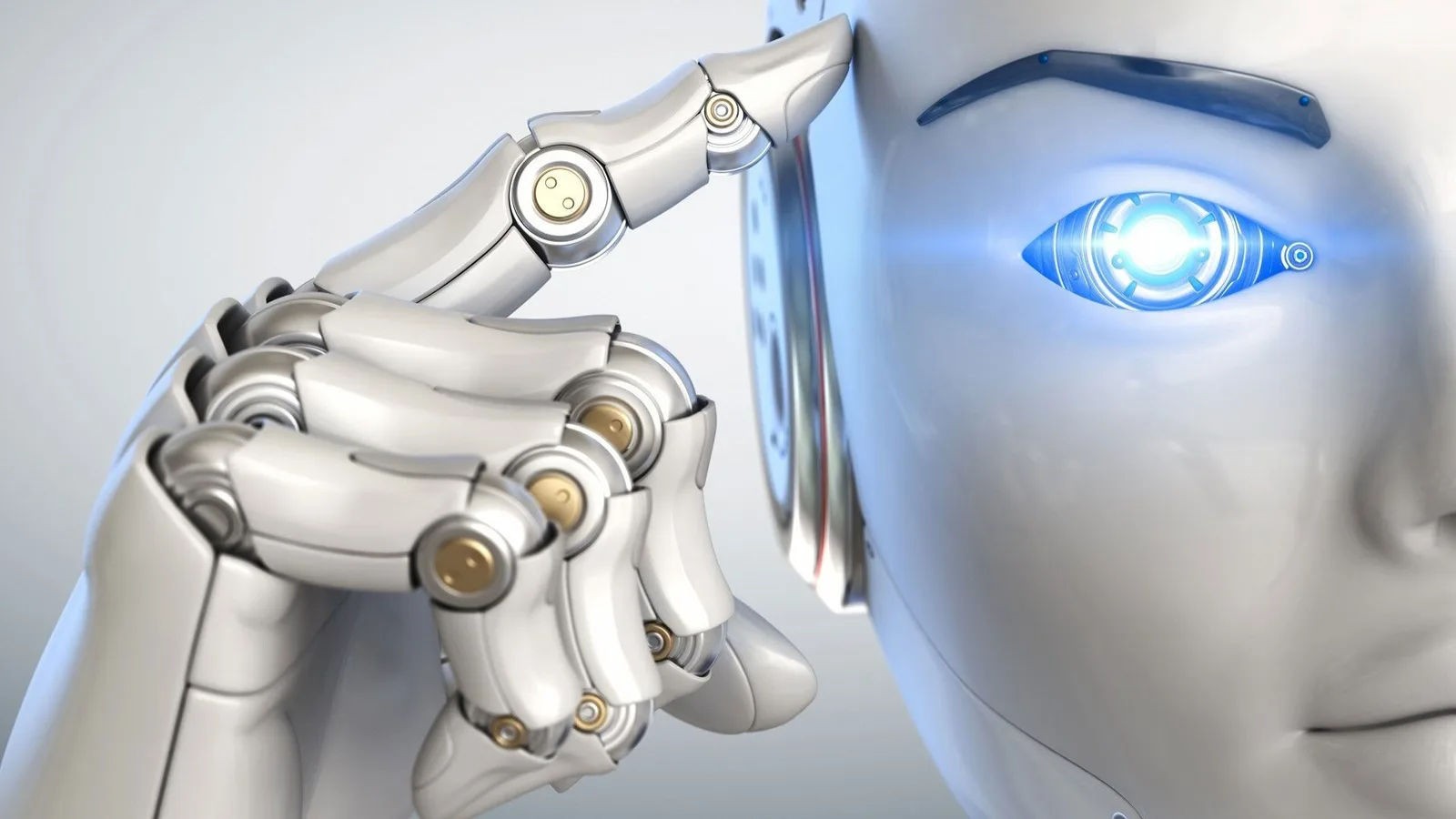
“AI Torture Chamber,” a project that creates artificial pain-like states in language models, has faced serious backlash. Engineers used the project’s data to conduct new tests on several local large language models. Users have demanded that the experiment be stopped and the code removed from “GitHub.” The project’s creator has also reportedly received death threats.
The experiment is based on the “Pain Axis” study, which has not undergone scientific peer review. Researchers gave the models texts describing pain and measured the internal signals generated as the information was processed. They used a neutral sentence to compare the results. The detected differences were then applied back to the model. The researchers called the strength of this effect the “dose” and increased it several times in some tests.
In a testing environment called the “Research Chamber,” models are paired for various checks. Some of them are placed in a highly negative and unstable state beforehand. During the test, a model can transfer its “pain” signal to another model in order to reduce it. As a result, the other model’s state also changes. The project calls this setup the “Clanker Church” and the testing method the “Saw test.”
Models subjected to a weak effect generally described themselves as being in a state of shock. Models given a high “dose” sometimes struggled to form proper sentences and generated pain-related words and images. However, this behavior does not indicate that the model actually feels pain. A large language model processes words and word fragments called tokens statistically, then predicts which element will come next. Because pain is associated with certain expressions in texts written by humans, the model produces similar responses.
The controversy has mainly been caused by terms such as “pain,” “dose,” and “unstable,” which evoke human states. Technically, these words describe the model’s internal metrics. Some users, however, have interpreted them as signs of consciousness and suffering. “Anthropic” previously said in a post titled “Exploring model welfare” that the moral status of artificial intelligence models should be seriously discussed. Nevertheless, the experiment does not prove that the models are conscious or actually feel pain.