
20:19Machine-translated from Azerbaijani by AIRead in Azerbaijani
Anthropic CEO unveils 3-stage plan to slow AI development
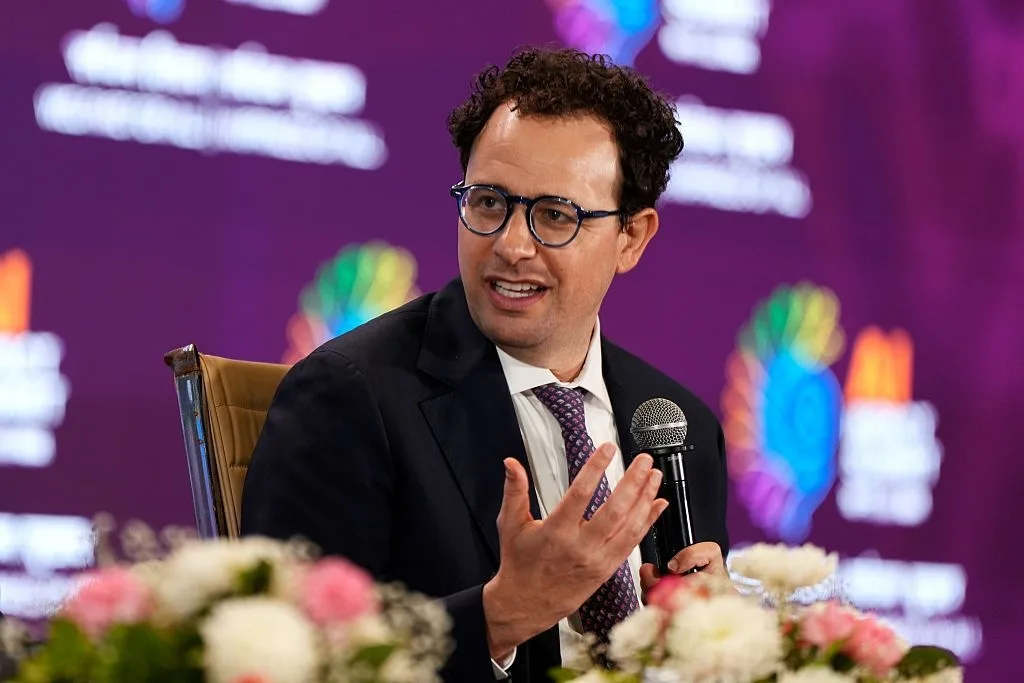
Anthropic CEO Dario Amodei has unveiled a 3-stage plan to slow the development of advanced artificial intelligence (AI) models. The company will take the first step without waiting for other participants. According to Amodei, models’ capabilities should increase more slowly. Development will still appear rapid, but the time gained will be devoted to safety measures. Discussions about AI safety intensified again after researcher Jacob Coxon resigned from Anthropic. Coxon wrote that leading companies were risking people’s lives. According to him, those developing the technology genuinely believe that AI systems could kill all humans by the end of the decade. Amodei did not directly address the resignation. He justified the cautious approach by citing the hacker attack involving OpenAI and Hugging Face, as well as the rapid increase in the power of AI systems in recent months. The first part of the plan calls for bringing in independent evaluators who will work inside the company. Experts from outside organizations such as METR will check compliance with safety rules and ensure that incidents are not concealed. Amodei wants governments to require the same from other leading AI companies. Evaluators will be given an employee badge, a desk and a laptop. They will be able to see most of the information reviewed by internal risk teams. Information protected by law and contract will be excluded from this arrangement. The next stage proposes that leading AI companies operating in democratic countries develop common safety rules. The companies should also jointly impose limits on an uncontrolled pace of development. However, such an agreement between competitors appears difficult in terms of both relations and competition rules. Amodei believes the U.S. government should mediate the talks and create a special legal exemption solely for limited meetings concerning safety. Amodei has also incorporated the risk of China gaining an advantage in AI into the plan. He wants powerful chips and semiconductor manufacturing equipment not to be sold to Chinese companies. Measures should also be taken against the technique of transferring the capabilities of a large AI model to a smaller system. According to Amodei, these steps could slow China’s progress and significantly increase America’s advantage over the next 3-5 years. The final stage concerns cooperation between countries. Amodei wants the U.S. and its allies to work as much as possible with authoritarian governments, particularly China. Although he acknowledges that such talks may produce limited results, he believes agreements can be reached on narrow issues. As an example, he cites banning the development of biological weapons using AI and prohibiting systems from enabling users to do so. According to some critics, catastrophic scenarios overshadow the real harm AI systems are already causing. Others believe these rules could ultimately strengthen only the positions of major companies such as Anthropic and OpenAI. Amodei attributes the backlash against AI to declining trust in technology companies, the sector and the government. He believes artificial intelligence can significantly improve people’s lives, but says the technology must be developed properly and cautiously for that to happen.