
16:41Machine-translated from Azerbaijani by AIRead in Azerbaijani
Apple brings photo authenticity verification mode to the iPhone 18 Pro series
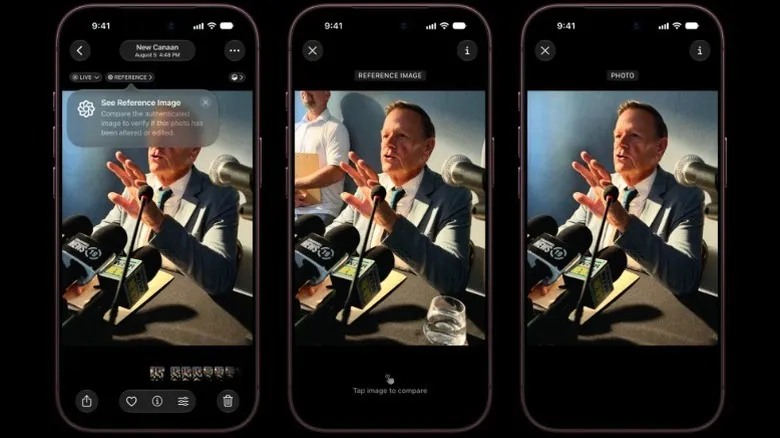
“Apple” has added Reference Image mode, which verifies photo authenticity, to the new “iPhone 18 Pro” and “iPhone 18 Pro Max” models. During capture, the camera creates a protected copy and a timestamp. The “Private Cloud Compute” service verifies that this record has not been altered and then digitally signs the photo. This makes it possible to determine whether the image was subsequently falsified.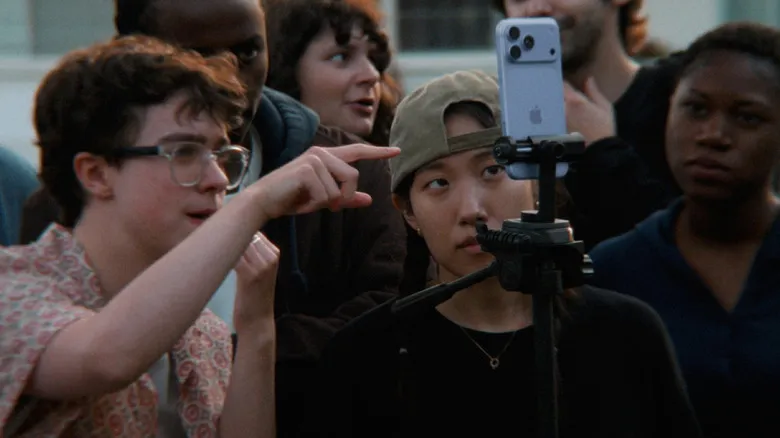 The mode works only with the main camera and is turned off by default. To enable it, users must go to Settings > Camera > Reference Image and select Add Reference Mode. The camera sensor signs the image data with a unique private key created during manufacturing. The phone’s security processor also adds a separate signature. The cloud service then verifies that both signatures belong to the same phone. Evidence from the shot is stored in a RAW format called DNG, meaning the camera’s unprocessed data, and is linked to the finished photo. Signed timestamps are updated every 15 minutes on average. These records do not depend on the phone’s date setting. The interval may be longer when there is no internet connection. If verification does not take place, the earliest date is considered to be March 31, 2026. After the photo is prepared, the DNG file is moved to the deleted items folder and is erased after 30 days. While the photo is being prepared, the DNG file is sent over the internet to the “Private Cloud Compute” service. The service verifies the signatures from the camera sensor and security processor. An artificial intelligence system also assesses whether the data in the file is consistent with an “iPhone” camera. A file that passes verification is converted to JPEG format and receives a digital signature. Reference images can be viewed on devices running “iOS 27,” “iPadOS 27” and “macOS 27.” However, only the new Pro models can create such photos.
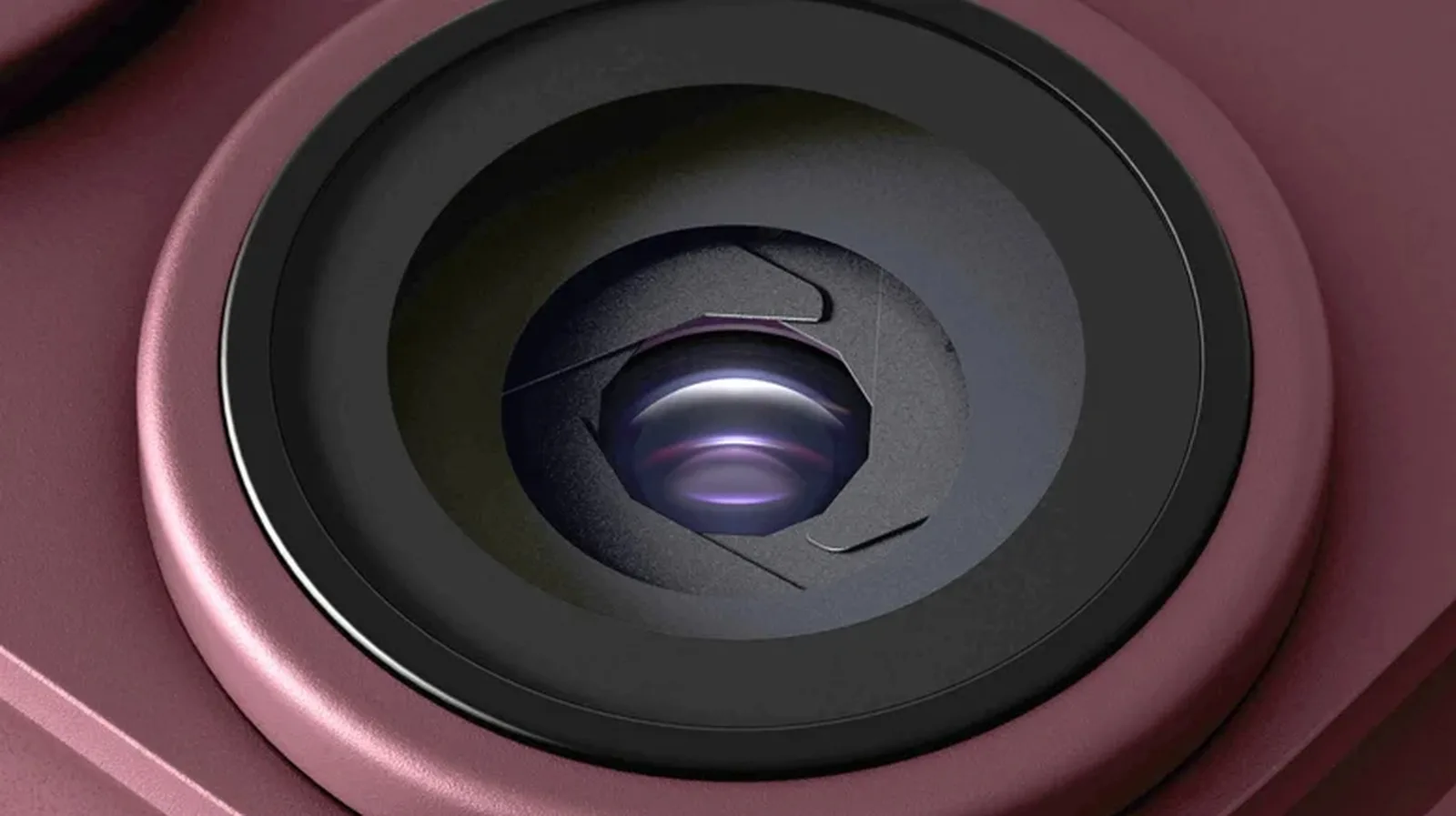
 The main 48 MP camera on both smartphones offers 4 aperture values. Users can choose f/1.48 or f/1.8. The other options are f/2.8 and f/4.0. A wider aperture improves low-light photography and makes the background appear more blurred. A narrower aperture keeps more objects in the frame in focus. Automatic mode selects the appropriate setting on its own, while experienced users can also change it manually.
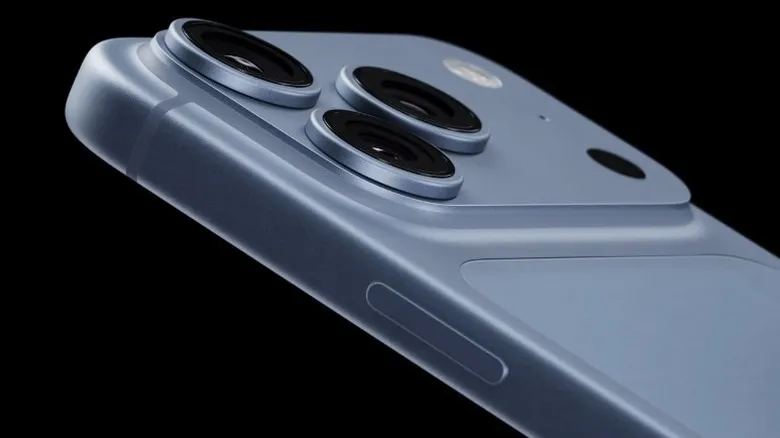 A larger vapor chamber has been installed to cool the “A20” chip. This cooling system helps reduce heat when the phone is performing demanding tasks. Battery life has also been extended. According to the information released, the “iPhone 18 Pro Max” can run for approximately 2 days with average use. The “iPhone 18 Pro” has a 6.3-inch display, while the “iPhone 18 Pro Max” has a 6.9-inch display. The “Dynamic Island” area has been reduced by 25%. It can display 3 live activities simultaneously, meaning information about ongoing processes. To make this possible, the infrared sensor for the “Face ID” system has been moved under the display.
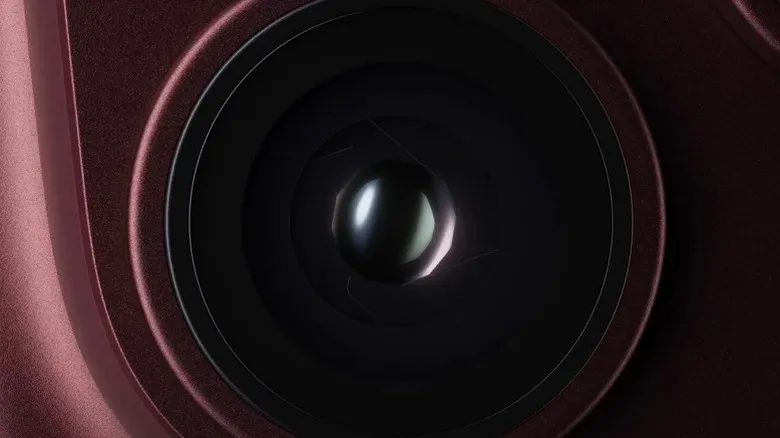 The “iPhone 18 Pro” sells for $1,199 (approximately 2,040 manats). The “iPhone 18 Pro Max” is priced at $1,299 (approximately 2,210 manats). Both phones are $100 (approximately 170 manats) more expensive than last year’s versions. The models also have a 2 TB storage option. The standard “iPhone 18” was not released this year and is expected in the spring of 2027. The phones retain the previous 7000-series aluminum bodies. The available color options are Burgundy, Black, Glacier and Silver.
The mode works only with the main camera and is turned off by default. To enable it, users must go to Settings > Camera > Reference Image and select Add Reference Mode. The camera sensor signs the image data with a unique private key created during manufacturing. The phone’s security processor also adds a separate signature. The cloud service then verifies that both signatures belong to the same phone. Evidence from the shot is stored in a RAW format called DNG, meaning the camera’s unprocessed data, and is linked to the finished photo. Signed timestamps are updated every 15 minutes on average. These records do not depend on the phone’s date setting. The interval may be longer when there is no internet connection. If verification does not take place, the earliest date is considered to be March 31, 2026. After the photo is prepared, the DNG file is moved to the deleted items folder and is erased after 30 days. While the photo is being prepared, the DNG file is sent over the internet to the “Private Cloud Compute” service. The service verifies the signatures from the camera sensor and security processor. An artificial intelligence system also assesses whether the data in the file is consistent with an “iPhone” camera. A file that passes verification is converted to JPEG format and receives a digital signature. Reference images can be viewed on devices running “iOS 27,” “iPadOS 27” and “macOS 27.” However, only the new Pro models can create such photos. The main 48 MP camera on both smartphones offers 4 aperture values. Users can choose f/1.48 or f/1.8. The other options are f/2.8 and f/4.0. A wider aperture improves low-light photography and makes the background appear more blurred. A narrower aperture keeps more objects in the frame in focus. Automatic mode selects the appropriate setting on its own, while experienced users can also change it manually. A larger vapor chamber has been installed to cool the “A20” chip. This cooling system helps reduce heat when the phone is performing demanding tasks. Battery life has also been extended. According to the information released, the “iPhone 18 Pro Max” can run for approximately 2 days with average use. The “iPhone 18 Pro” has a 6.3-inch display, while the “iPhone 18 Pro Max” has a 6.9-inch display. The “Dynamic Island” area has been reduced by 25%. It can display 3 live activities simultaneously, meaning information about ongoing processes. To make this possible, the infrared sensor for the “Face ID” system has been moved under the display. The “iPhone 18 Pro” sells for $1,199 (approximately 2,040 manats). The “iPhone 18 Pro Max” is priced at $1,299 (approximately 2,210 manats). Both phones are $100 (approximately 170 manats) more expensive than last year’s versions. The models also have a 2 TB storage option. The standard “iPhone 18” was not released this year and is expected in the spring of 2027. The phones retain the previous 7000-series aluminum bodies. The available color options are Burgundy, Black, Glacier and Silver.