
15:16Machine-translated from Azerbaijani by AIRead in Azerbaijani
Apple Pay contactless payment service arrives in India after 12 years
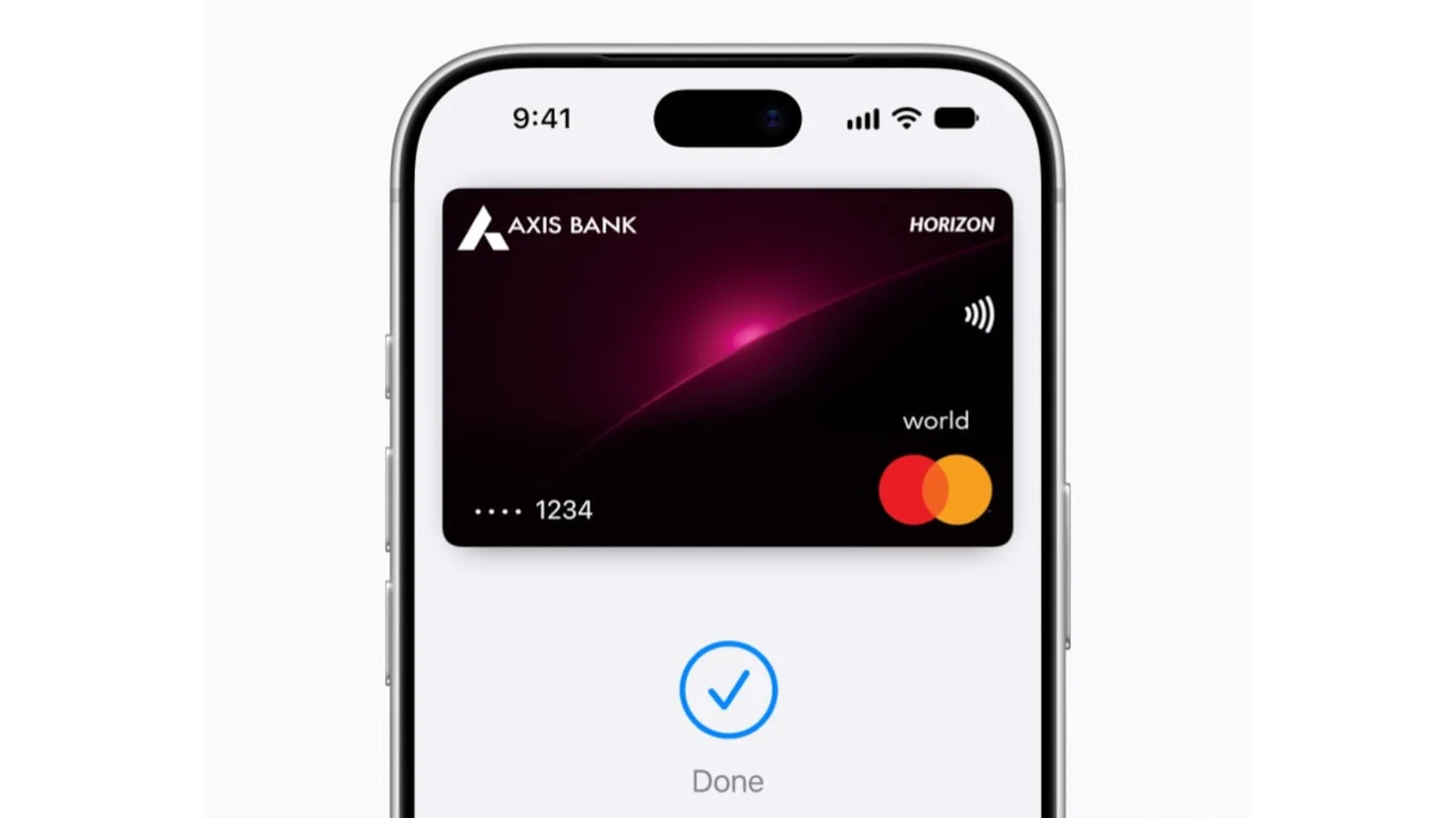
Apple has launched its Apple Pay contactless payment service in India. The service has reached the world’s most populous country approximately 12 years after it was first introduced in the US. Delayed by local banking regulations, Apple Pay currently accepts only Visa and Mastercard credit cards issued by Axis Bank. According to the company’s support page, the service is now supported in 101 countries and regions. Users in India can add their cards through the Axis Bank app or by using the add button in Apple Wallet. Apple Pay works on Apple devices other than Mac, while macOS support will be added later. The service can be used to pay in stores by holding a device near a payment terminal and to make payments online. It uses NFC technology, which establishes a short-range wireless connection. The system will not work with terminals that do not support NFC. Cards from other banks, including State Bank of India and HDFC Bank, have not yet been added to the system. India’s domestic RuPay card network is not yet accepted either. Apple wants to charge a 0.2% commission on each transaction. Negotiations with other banks over this condition are continuing. According to Apple, the service will initially be accepted at millions of retail locations in India. The list includes Apple Store, Blinkit, Chaayos, Comet, Croma, Interflora, Ixigo, Le15 Patisserie, Tata 1mg and Zomato. The actual card number is stored neither on the device nor on the company’s servers. Card information is also not shared with merchants accepting the payment. India has become an important market for Apple in terms of both manufacturing and sales. Although Android is more widespread in the country, Apple’s market share by the number of phones sold is expected to reach 10% this year. This forecast is linked to strong demand for the iPhone 18 Pro and iPhone 18 Pro Max. Seeking to spread production across different countries, the company and its suppliers are moving more iPhone production from China to India. Revenue from services declined in the latest fiscal quarter compared with the previous quarter. The last time such a decline was recorded was in the 4th quarter of fiscal year 2022. The company’s growth in India has also generated some controversy. The Competition Commission of India is conducting an antitrust investigation into Apple over its App Store rules. The company has also rejected a requirement to preinstall a government app on new smartphones. A Tata Electronics factory is accused of polluting water and farmland. It is also claimed that confidential Apple files were leaked during a cyberattack on the company.
Users in India can add their cards through the Axis Bank app or by using the add button in Apple Wallet. Apple Pay works on Apple devices other than Mac, while macOS support will be added later. The service can be used to pay in stores by holding a device near a payment terminal and to make payments online. It uses NFC technology, which establishes a short-range wireless connection. The system will not work with terminals that do not support NFC. Cards from other banks, including State Bank of India and HDFC Bank, have not yet been added to the system. India’s domestic RuPay card network is not yet accepted either. Apple wants to charge a 0.2% commission on each transaction. Negotiations with other banks over this condition are continuing. According to Apple, the service will initially be accepted at millions of retail locations in India. The list includes Apple Store, Blinkit, Chaayos, Comet, Croma, Interflora, Ixigo, Le15 Patisserie, Tata 1mg and Zomato. The actual card number is stored neither on the device nor on the company’s servers. Card information is also not shared with merchants accepting the payment. India has become an important market for Apple in terms of both manufacturing and sales. Although Android is more widespread in the country, Apple’s market share by the number of phones sold is expected to reach 10% this year. This forecast is linked to strong demand for the iPhone 18 Pro and iPhone 18 Pro Max. Seeking to spread production across different countries, the company and its suppliers are moving more iPhone production from China to India. Revenue from services declined in the latest fiscal quarter compared with the previous quarter. The last time such a decline was recorded was in the 4th quarter of fiscal year 2022. The company’s growth in India has also generated some controversy. The Competition Commission of India is conducting an antitrust investigation into Apple over its App Store rules. The company has also rejected a requirement to preinstall a government app on new smartphones. A Tata Electronics factory is accused of polluting water and farmland. It is also claimed that confidential Apple files were leaked during a cyberattack on the company.