
14:25Machine-translated from Azerbaijani by AIRead in Azerbaijani
Apple Testing Foldable iPhone Duo 2 With Under-Display Face ID
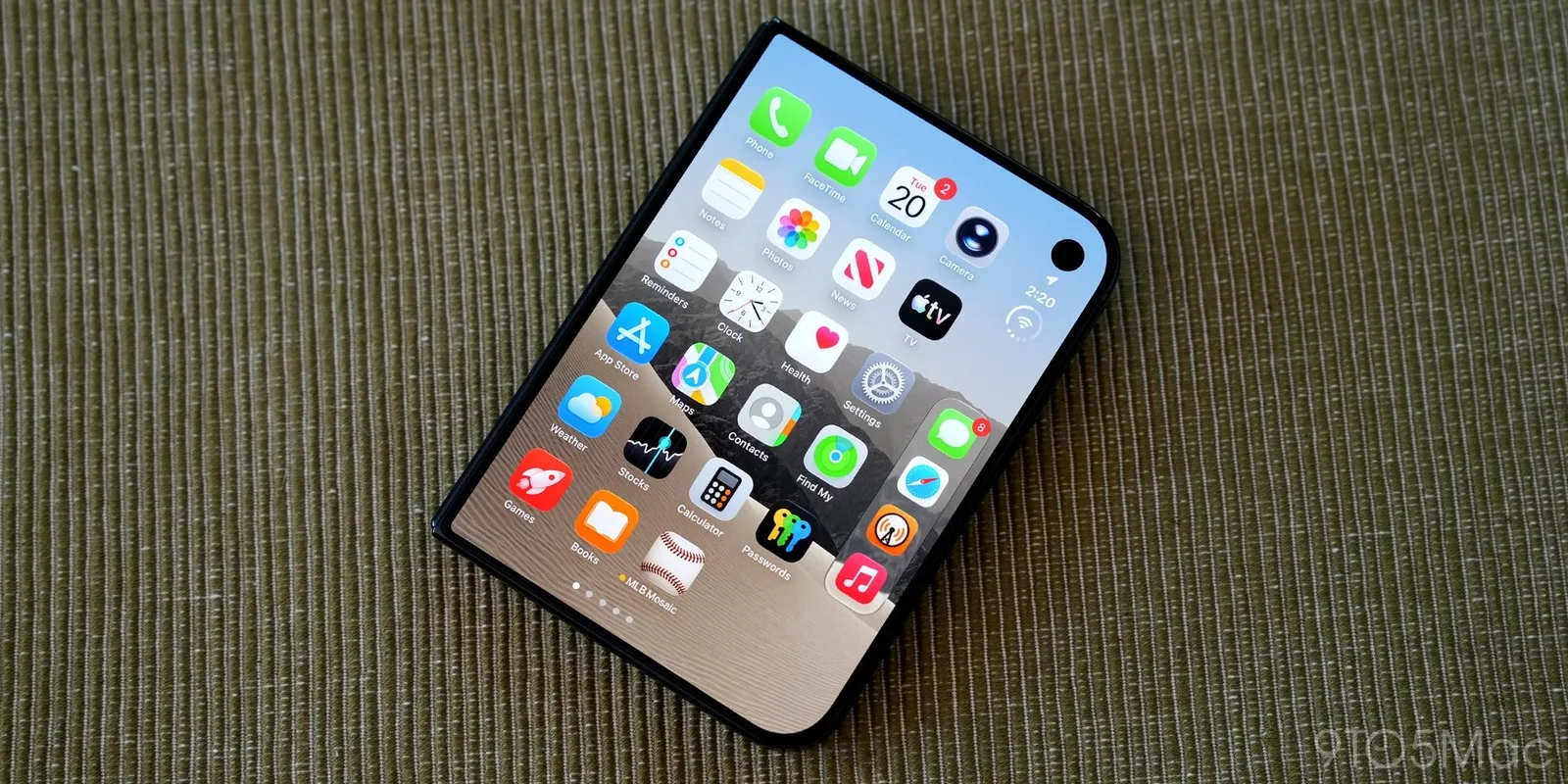
Apple is preparing to launch its first foldable smartphone, the iPhone Duo, tomorrow. At the same time, the company is also testing the next generation. Face ID could be the main new feature in iPhone Duo 2 prototypes. In the current test units, Face ID is positioned under the outer display. However, this does not mean the feature will definitely be added to the next model.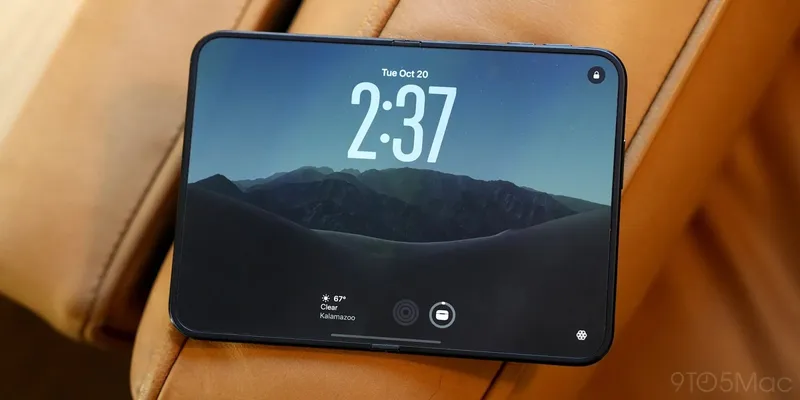 Because the first iPhone Duo has a very thin body, there was not enough room for Face ID sensors. As a result, the fingerprint-reading Touch ID sensor was placed in the power button. Early reviews consider this choice one of the main drawbacks. Apple is trying to make the sensors smaller by placing the infrared camera and illuminator behind the display. An infrared camera hidden under the display is already used in the iPhone 18 Pro. An Action button is also being tested for the next generation. If Face ID is added, it is not yet known whether the Touch ID sensor will be retained. According to early reviews, the matte coating called “nanotexture” on the iPhone Duo’s inner display almost completely hides the crease. The crease can be felt with a finger, but it is difficult to see unless someone specifically looks for it. Because the outer display is considered small for everyday use, the phone needs to be opened frequently. The device’s weight, the fact that it heats up during use and how large it feels in the hand are also among the main criticisms. Apps that have not been adapted for foldable phones are not sized correctly on the inner display. Some do not even occupy the full screen. For example, Google Maps does not fill the entire screen and returns to the previous view when the phone is rotated. At the same time, Instagram, Threads, Slack and the Google app already have controls adapted for the larger display. A new sidebar also helps make more efficient use of the wide screen area. In a durability test, the iPhone Duo withstood more than 32,000 folds in addition to daily use. No serious problems emerged with the hinge that allows the phone to fold. However, the device heated up considerably under heavy load. Apple considers this a normal part of the thermal management process. Because cooling the two-part body is difficult, heat can be felt across a larger surface area. The overall conclusion is that Apple has not reinvented the concept of the foldable phone. Nevertheless, the company has integrated the software with the device’s design fairly well in its first model. The iPhone Duo also has the app compatibility, weight and heat issues seen in Android-based foldable phones. At a time when there is strong demand for preorders, adding Face ID is considered one of the main goals for the next generation. If development is delayed, this technology may be reserved for the later iPhone Duo 3 model.