
12:55Machine-translated from Azerbaijani by AIRead in Azerbaijani
Arm’s AI Processor Nearly 2x Faster Than AMD at Rack Scale
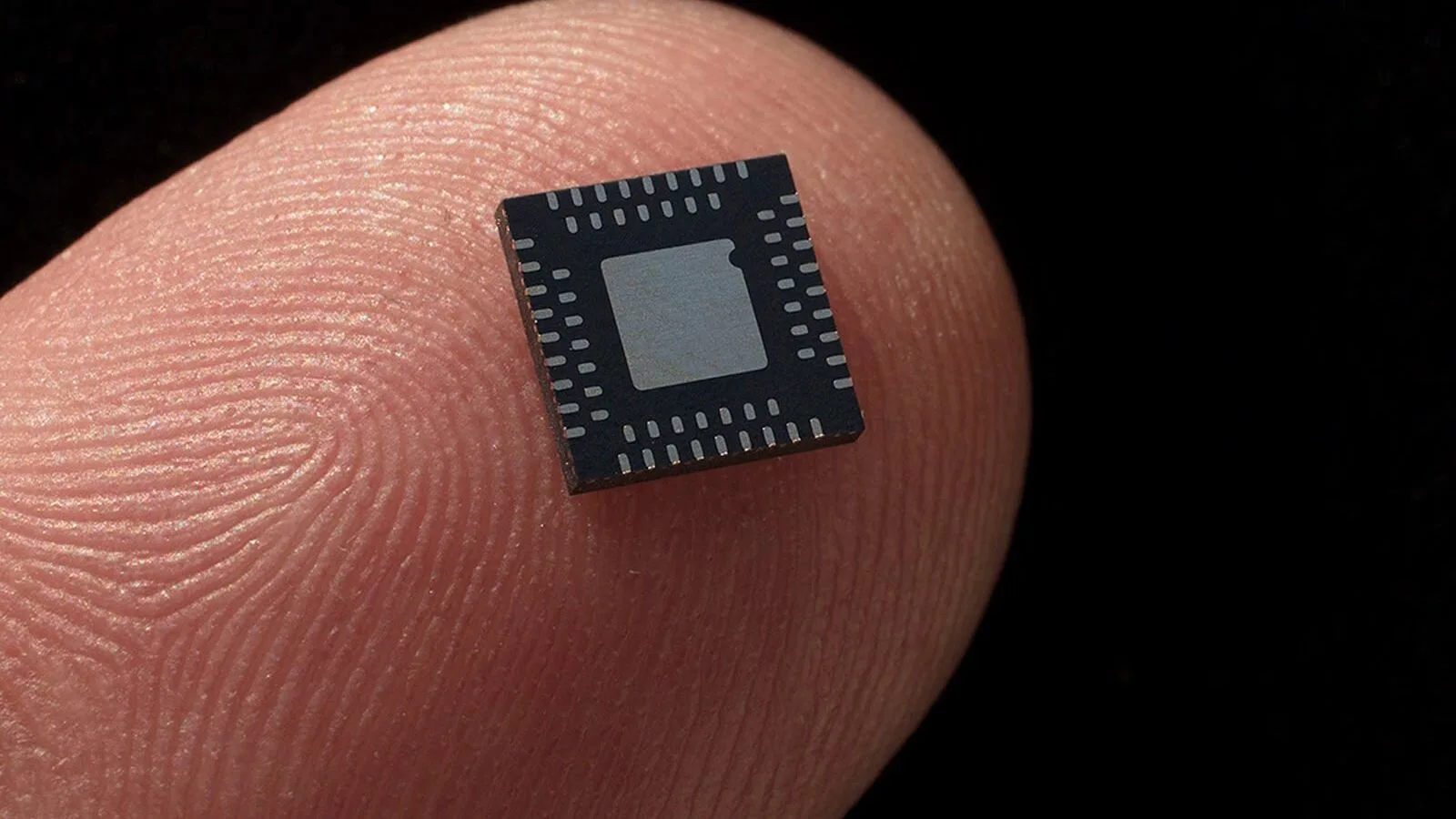
Arm’s AGI CPU processor was evaluated in 7 tests designed for artificial intelligence systems that perform tasks independently. According to the results, the processor outperformed AMD’s EPYC 9755 model by an average of 1.99 times at the modeled server-rack level. Across the individual tests, the difference ranged from 1.43 times to 3.19 times.
The tests included working with software tools, searching for information, performing autonomous tasks, and running artificial intelligence models. The results were calculated based on the performance the processors could deliver across an entire server rack within the same power limit.
One of the main reasons for the difference is that more Arm servers can fit within the same power limit. A single rack with a 24 kW power limit can accommodate 21-23 AGI CPU servers. The same rack can accommodate 13 dual-processor EPYC 9755 systems.
In this configuration, the Arm systems have a total of 5,712-5,888 physical processor cores. The AMD systems have 3,328. The calculation assumed power consumption of 950-1,050 W for a single Arm server. The figure for a dual-processor AMD system was 1,700 W.
The evaluation also included the Terminal-Bench 2 and SWE-bench tests. According to the calculations, the Arm systems were an average of 1.7 times faster when working with software tools. The difference reached 2 times in workloads where agents performed tasks sequentially and 2.2 times in reasoning and planning. For database workloads and vector searches that find similar data, the number of server racks required for the same workload could be reduced by 30-35%.
In the Sandbench test, the AGI CPU processor was compared with AMD’s EPYC 9965 model. The initial launch of a secure, isolated work environment was completed 45% faster. The difference was 27% when launching a prebuilt environment. In the most demanding scenario, in which the system was given 4 times more tasks than its capacity, the AGI CPU delivered a 41% better result. This could help prepare secure environments more quickly when artificial intelligence agents run code.
The testing was conducted in collaboration with Arm, and Signal65 independently verified the processor results. The evaluation methodology was developed with support from Fujitsu, Meta, and OpenAI. However, additional testing on final production hardware has not yet been conducted.
The results show that Arm-based servers can compete with x86 solutions in power-constrained artificial intelligence systems. However, this does not prove that they are better in all data centers. Software compatibility, deployment costs, and real-world operating conditions may affect the final outcome.