
12:19Machine-translated from Azerbaijani by AIRead in Azerbaijani
Besxar to test chip factory modules aboard a Falcon 9 rocket
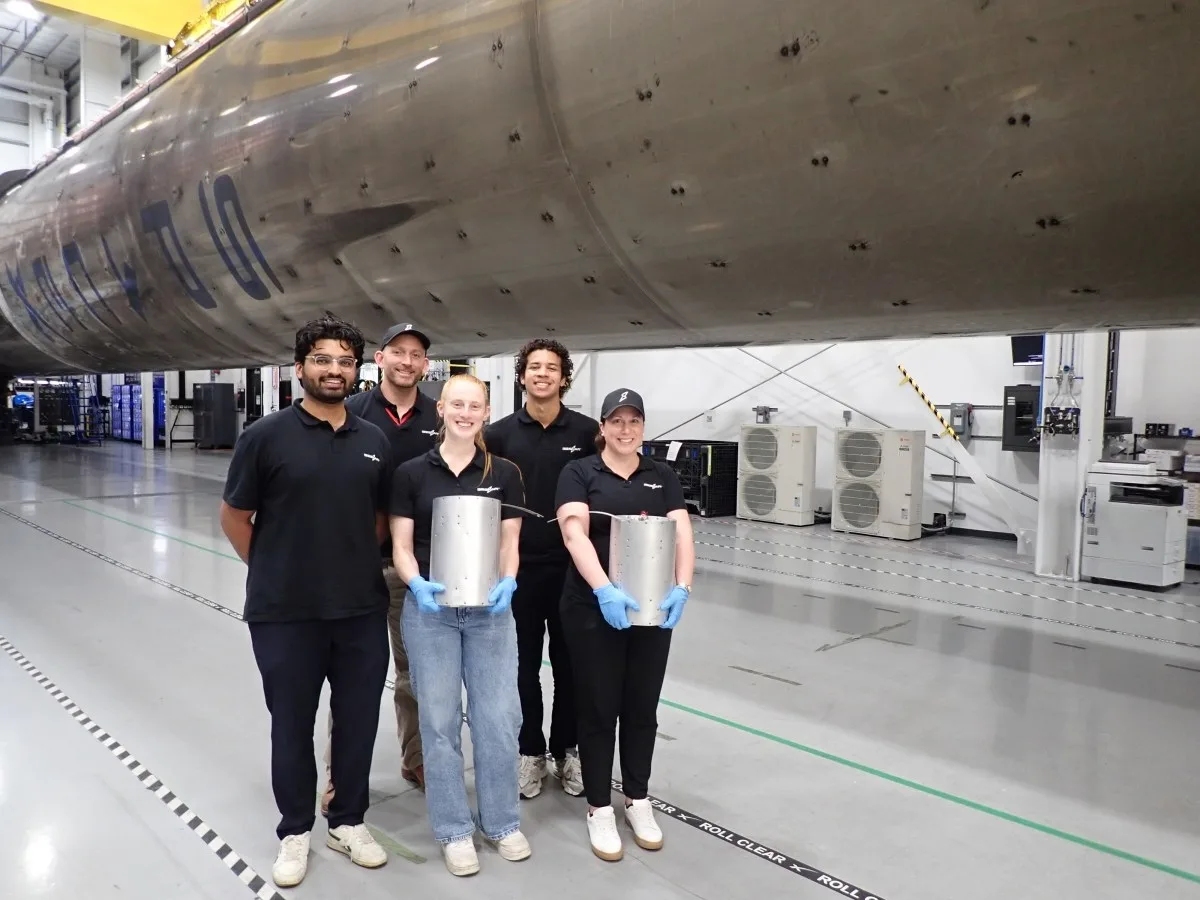
Besxar has begun testing with SpaceX to establish a semiconductor factory in orbit. The startup will test small production modules on the first stage of a Falcon 9 rocket that returns to Earth. The tests are expected to take place over approximately 12 flights. These rocket stages traveled into space and returned to Earth 163 times last year, while the number of flights has exceeded 100 this year. This will allow the tests to be conducted without waiting for a slot on the International Space Station.
Besxar was founded by former OpenAI employee Ashley Pilipiszyn. The company wants to use the natural vacuum of space to produce the raw materials needed for advanced chips. On Earth, ultra-clean production rooms with controlled air pressure are built to prevent microscopic dust particles from damaging chips. The startup has raised approximately $14 million (about 23.8 million manats) to date. Of that, $9 million (about 15.3 million manats) was raised in an initial investment round. The round was led by Dauntless Ventures and Overture VC.
Besxar sent its first 2 small fabship capsules into orbit on a Starlink mission in July. The company tested whether the capsules could withstand the loads generated during launch, protect semiconductor wafers from contamination and expose samples to the vacuum of space. The company achieved these goals. However, a malfunction occurred in the flight data system of one capsule, and its cause is being investigated. The samples sent into space were the cleanest compared with wafers kept on Earth and had the fewest particles recorded on them.
The company plans to expand the tests in stages over the next 2 years. It will first test heating the wafers in orbit. In subsequent stages, it will test depositing first 1 and then 2 layers of material on them. The ultimate goal is to carry larger factories into orbit aboard larger rockets such as Starship, which is still under development. Pilipiszyn began talks with SpaceX about purchasing Starship flights 3 years ago. The current agreement to conduct tests on the rocket’s first stage has made it possible to test the technology sooner.
Once the samples produced meet the required standards, Besxar wants to sell semiconductor wafers to leading chipmakers. These wafers will be used to make advanced chips that regulate electrical power in data centers, robots and electric vehicles. The startup’s name comes from beskar, the metal used to make Mandalorian armor in the Star Wars Legends comic. United Semiconductors and Space Forge also operate in the same field.
The main challenge in this field is returning finished products from orbit to Earth in large quantities. Besxar expects to increase production at each factory first to hundreds and later to thousands of wafers. The plan depends on inexpensive rocket flights and the Starship project becoming operational. Alternatively, next-generation rockets from Rocket Lab and Stoke Space could provide the same transportation capability.