
17:14Machine-translated from Azerbaijani by AIRead in Azerbaijani
BYD’s extreme battery test: 350 charges in 9 days
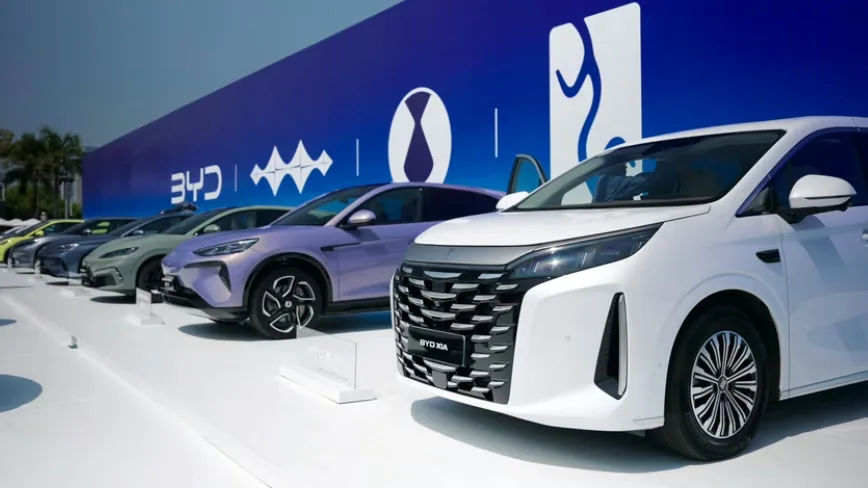
BYD has conducted an extremely demanding test to examine the impact of ultra-fast charging on electric vehicle batteries. The company drove a Yangwang U7 for 30,000 kilometers in just 9 days and ultra-fast-charged the vehicle 350 times during that period. According to BYD, the vehicle’s battery retained 98.7% of its original capacity after the test. In other words, after extremely intensive use and hundreds of fast-charging sessions, the battery’s capacity loss was just 1.3%.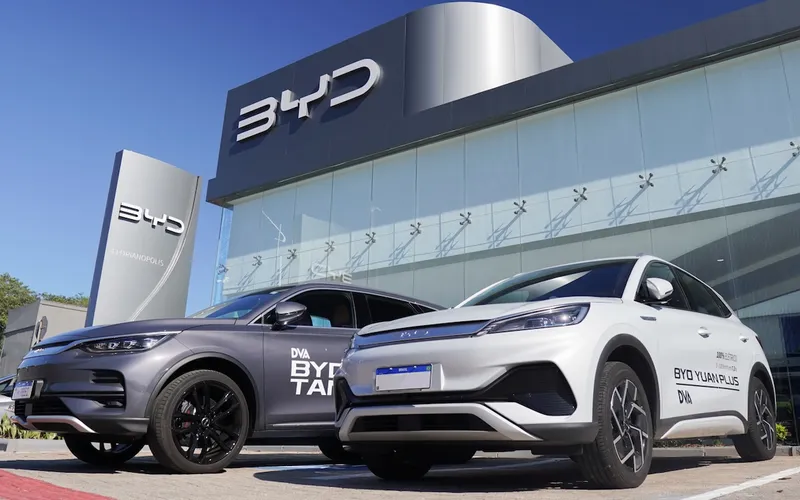 The test was conducted on a test track in Nanning, China. The Yangwang U7 traveled at 240 km/h, while the average ambient temperature was 36°C. The vehicle used up to 640 kW of power while charging. High temperatures and fast charging are considered among the main factors that accelerate battery degradation. The company also emphasizes that a specially prepared vehicle was not used in the test. According to BYD, the Yangwang U7 used for the test was randomly selected from among standard vehicles on sale. However, the results have not been verified by an independent organization. Although the test result is noteworthy, 9 days of intensive use does not fully show how the battery will degrade over many years. This issue is particularly relevant in Europe. Under Euro 7 rules, the batteries of new electric vehicles must retain at least 80% of their original capacity after 5 years or 100,000 kilometers, and at least 72% after 8 years or 160,000 kilometers. These requirements will take effect for new vehicle types on November 29, 2026, and for all newly sold vehicles on November 29, 2027.