
08:23Machine-translated from Azerbaijani by AIRead in Azerbaijani
BYD Unveils Design of Its First Humanoid Robot
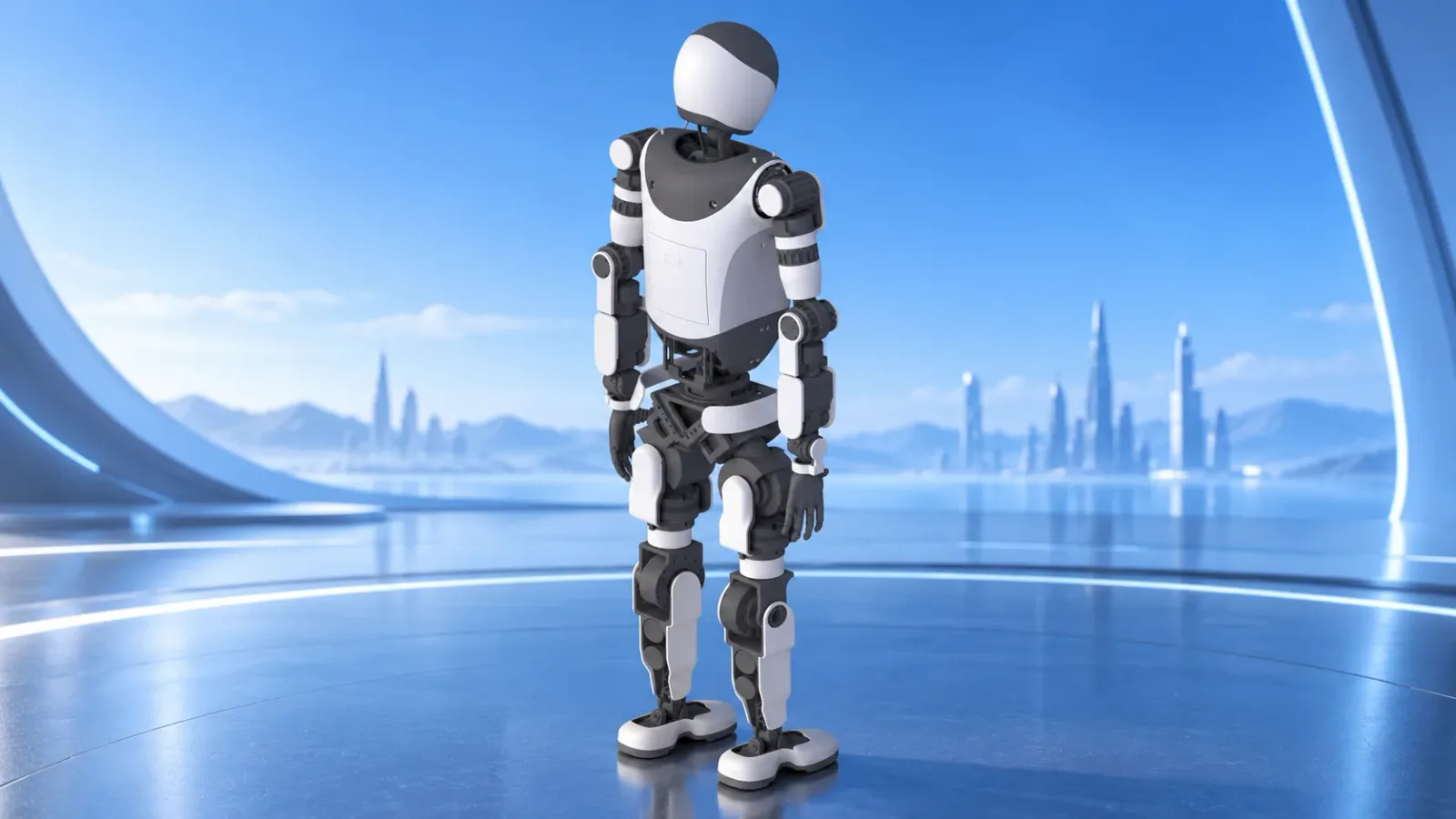
Chinese automaker BYD is preparing to expand its operations into robotics. The design of the company’s first humanoid robot was revealed in patent documents published by the China National Intellectual Property Administration on October 9, 2026. Registered as a “physical artificial intelligence robot,” the design is seen as BYD’s next step toward entering the humanoid robot market.
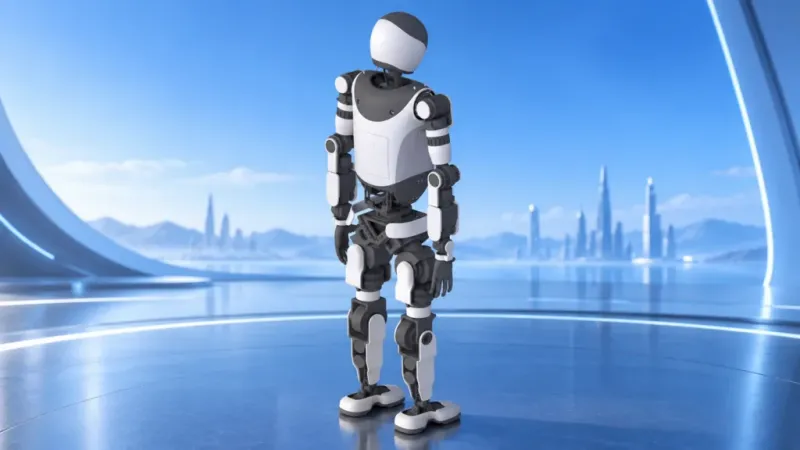
The robot depicted in the patent documents has a humanoid body structure. It is intended to be able to walk, maintain its balance, and interact with its surroundings. BYD aims to use this type of robot in the service, education, and industrial sectors in the future.
The published patent illustrations show that the robot has a minimalist design dominated by black and white. The robot’s head is rounded and curved, with no screen installed on it. Its torso, arms, and legs feature numerous articulated joints. This structure is designed to enable the robot to perform various physical tasks.
The design in the new patent resembles a humanoid robot named Xiao Di, images of which BYD executives previously shared. However, the company has not yet confirmed whether the robot in the patent documents is the Xiao Di model or whether this design will enter mass production.
According to previous reports, the Xiao Di robot will be 1.61 meters tall and weigh 58.5 kilograms. The robot is expected to have 31 degrees of freedom. This figure indicates how independently its various joints and mechanisms can move.
The robot’s manipulation system will also reportedly provide ±1 millimeter accuracy in repetitive positioning operations. These features are expected to allow Xiao Di to grasp various objects, communicate through hand gestures, and present information using signs.
BYD’s work on humanoid robots is not new. In 2022, the company established a dedicated team to conduct research in physical artificial intelligence and robotics. The main goal is to draw on the technological expertise accumulated in automobile and battery manufacturing to improve robots’ hardware and their ability to perceive their surroundings, make decisions, and move.
Alongside its own research, the company is also investing in other robotics companies. BYD invested in Agibot in August 2023 and acquired a stake in Percibot in April 2025.
BYD is also pursuing partnerships to test humanoid robots in real-world manufacturing environments. At the company’s plant in Changsha, the Walker S1 humanoid robot developed by Ubtech has been used for tasks such as transporting materials and recognizing objects.
BYD’s plans in robotics are not limited to automobile plants. Company executives have previously said that humanoid robots could also be used at automobile sales centers in the future.
Under this scenario, the robots would greet customers, provide information about the vehicles’ technical specifications, and demonstrate their multimedia systems. Humanoid robots are therefore expected to be used both in manufacturing processes and in customer service.
For now, BYD has not released official information about the new robot’s mass-production date, price, or final technical specifications. It is also unclear whether the design shown in the patent will be turned into a commercial product.
Nevertheless, BYD’s extensive automobile manufacturing capabilities and investments in robotics indicate that the company intends to expand its presence in the humanoid robot market in the future.