
18:13Machine-translated from Azerbaijani by AIRead in Azerbaijani
California Passes Law Fining Robotaxis That Obstruct Emergency Services
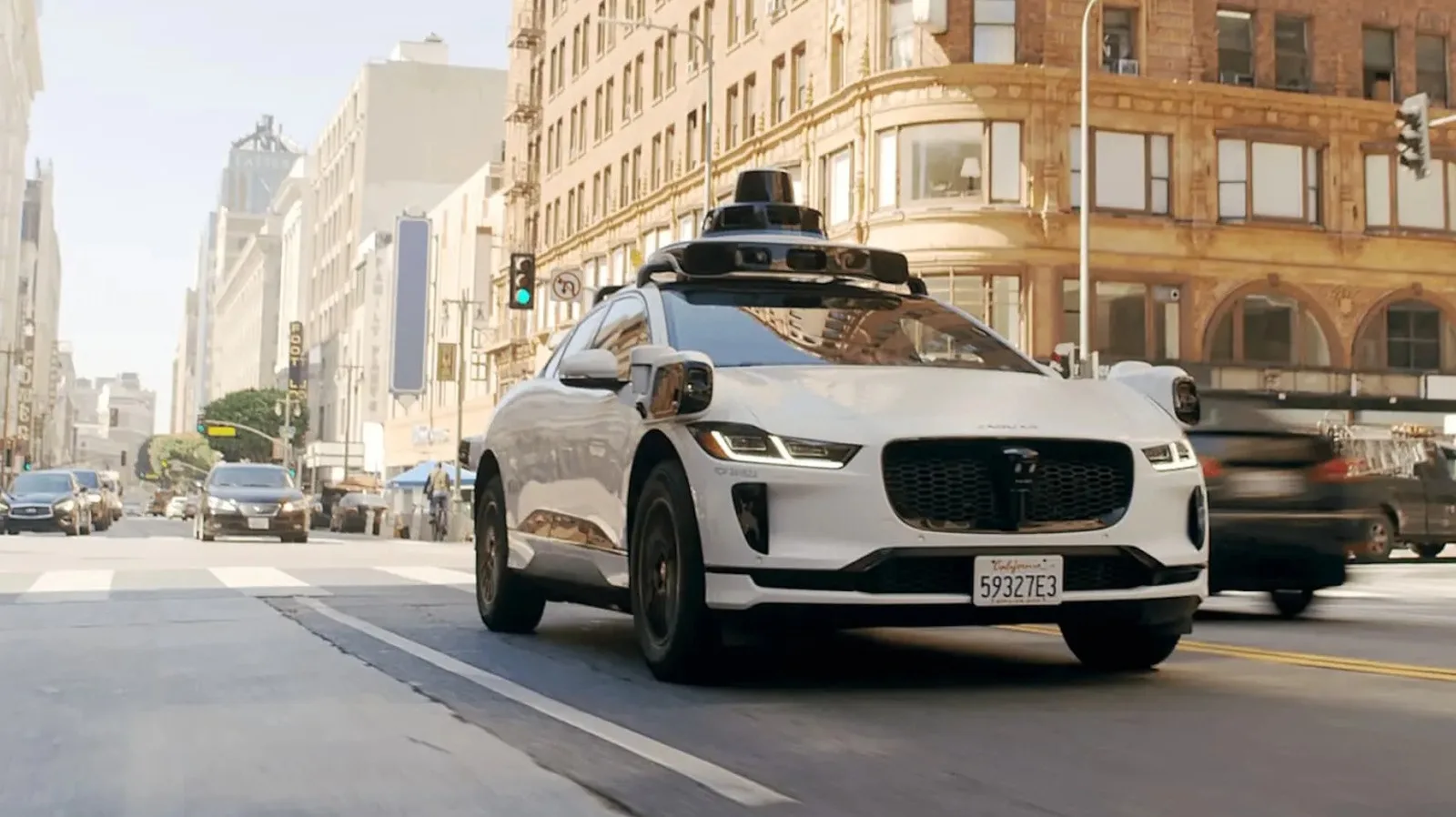
California Governor Gavin Newsom has signed SB 1246, a law concerning robotaxis that obstruct emergency services. Under the new rule, an operator will be fined if a driverless vehicle blocks the path of an ambulance or fire truck for more than 30 minutes during an emergency. The law will take effect on July 1, 2028.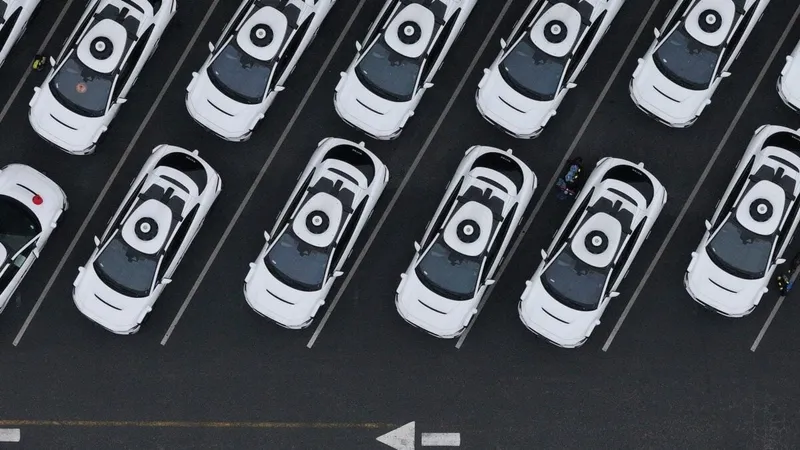 Cities and counties will be able to sue operators that violate the rule. Fines for general violations may reach 5000 dollars (8500 manats). A fine of up to 10 000 dollars (17 000 manats) may be imposed for each vehicle that obstructs an emergency operation for more than 30 minutes after officials request that a local technician be called. Companies must send a local technician to the scene in the event of a crash, malfunction or road closure. Operators must also have an employee at the scene who communicates with emergency services. If a systemwide malfunction occurs, the company must inform local authorities about the vehicles’ locations and status. The time taken to respond to incidents must also be included in separate reports. People remotely operating vehicles must be located in the United States and hold a U.S. driver’s license. Tesla plans to use such remote intervention only when other options fail. Waymo has disclosed that operators abroad sometimes provide instructions to vehicles that become stuck. The law was introduced after several serious incidents. In December 2025, a power outage in San Francisco disabled traffic lights. As a result, approximately 1500 Waymo vehicles stopped on the roads. During the July 4, 2026 events, Waymo vehicles that ran out of power in heavy traffic were also stranded on the streets. Some of them had to be towed away. A similar incident was also reported outside California. In Austin, Texas, a Waymo robotaxi blocked the path of an ambulance responding to a shooting. The U.S. National Highway Traffic Safety Administration said in July that incidents involving driverless vehicles obstructing police and emergency services were increasing. The agency called on operators to resolve the problem. The new restrictions come as robotaxi services are expanding in California. Waymo offers paid driverless rides in the San Francisco Bay Area, Los Angeles and San Diego. Amazon’s Zoox service provides a limited number of free rides to selected passengers in San Francisco. Tesla has permission to test autonomous vehicles in the state. Waymo said the new changes allow it to continue providing the service.
Cities and counties will be able to sue operators that violate the rule. Fines for general violations may reach 5000 dollars (8500 manats). A fine of up to 10 000 dollars (17 000 manats) may be imposed for each vehicle that obstructs an emergency operation for more than 30 minutes after officials request that a local technician be called. Companies must send a local technician to the scene in the event of a crash, malfunction or road closure. Operators must also have an employee at the scene who communicates with emergency services. If a systemwide malfunction occurs, the company must inform local authorities about the vehicles’ locations and status. The time taken to respond to incidents must also be included in separate reports. People remotely operating vehicles must be located in the United States and hold a U.S. driver’s license. Tesla plans to use such remote intervention only when other options fail. Waymo has disclosed that operators abroad sometimes provide instructions to vehicles that become stuck. The law was introduced after several serious incidents. In December 2025, a power outage in San Francisco disabled traffic lights. As a result, approximately 1500 Waymo vehicles stopped on the roads. During the July 4, 2026 events, Waymo vehicles that ran out of power in heavy traffic were also stranded on the streets. Some of them had to be towed away. A similar incident was also reported outside California. In Austin, Texas, a Waymo robotaxi blocked the path of an ambulance responding to a shooting. The U.S. National Highway Traffic Safety Administration said in July that incidents involving driverless vehicles obstructing police and emergency services were increasing. The agency called on operators to resolve the problem. The new restrictions come as robotaxi services are expanding in California. Waymo offers paid driverless rides in the San Francisco Bay Area, Los Angeles and San Diego. Amazon’s Zoox service provides a limited number of free rides to selected passengers in San Francisco. Tesla has permission to test autonomous vehicles in the state. Waymo said the new changes allow it to continue providing the service.