
12:48Machine-translated from Azerbaijani by AIRead in Azerbaijani
Canva Launches Canva Craft, Its First AI Image Model
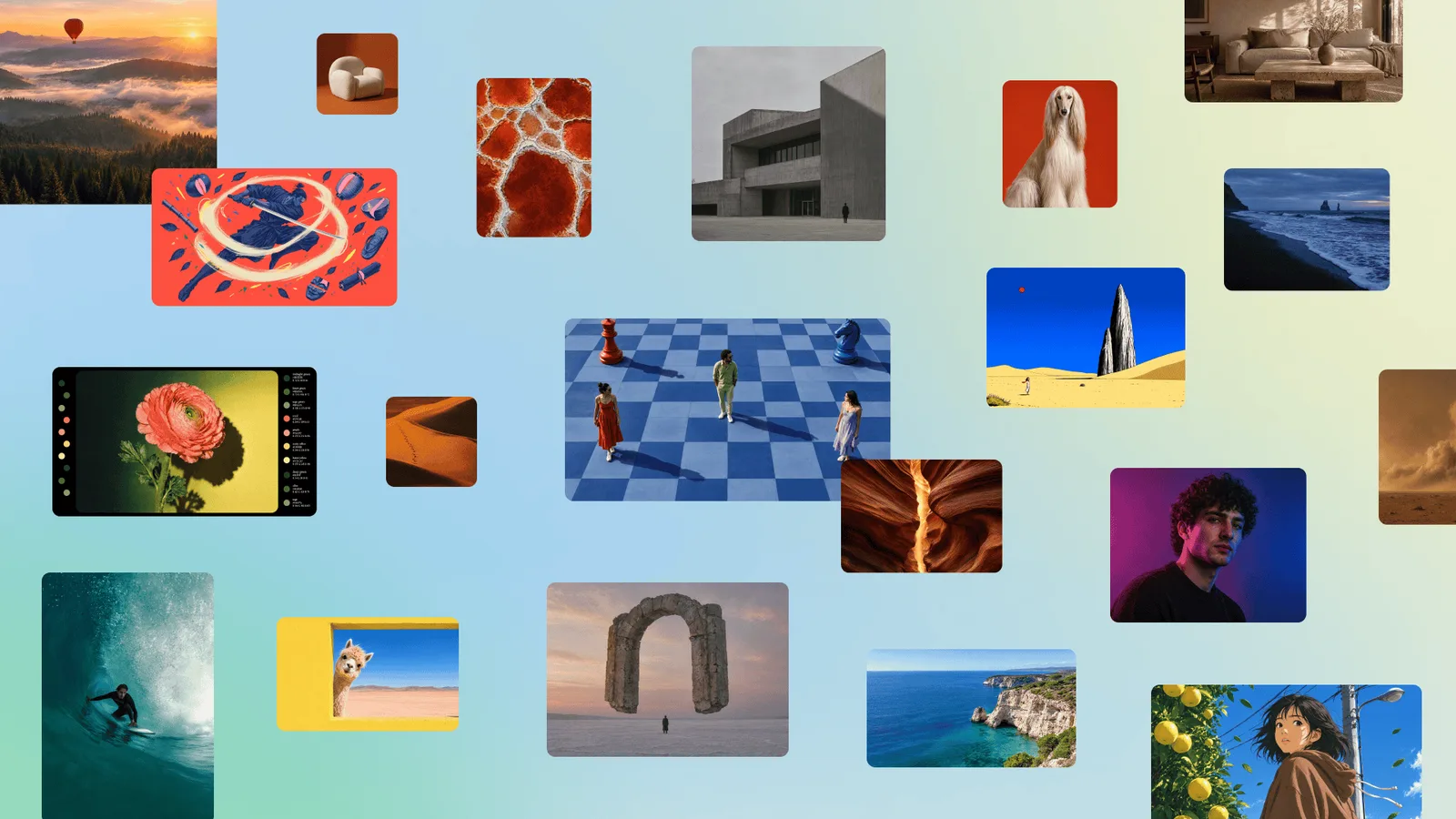
On Thursday, Canva unveiled Canva Craft, its first in-house model for generating images with artificial intelligence. The model does not generate an image immediately; it first plans the design’s structure. According to Canva, this method helps make text easier to read and ensures that objects are positioned correctly. Canva Craft will compete in this field with models from OpenAI, Google, Microsoft, ByteDance and Meta. The system first analyzes the user’s written prompt. It then plans the objects’ positions and sizes, as well as the order in which they will appear. In the second stage, the image is created based on that plan. The model generates images at 2K resolution and supports 30 different aspect ratios. Users can change individual elements without affecting other parts of the image. The model was trained on Canva templates created by millions of people. These templates include posters, social media posts, presentations, infographics, menus and designs containing large amounts of text. The generated images can be converted with Magic Layers into editable designs divided into separate layers. In April, features for creating designs from written prompts and modifying finished work were also added to the platform. Canva Craft is now available worldwide in the Dream Lab section. However, account and usage limits may apply. An API connection system can also be used to connect applications to the model. In the future, services such as ChatGPT and Gemini are also expected to be connected to the model through an open connection protocol called MCP. For security, there are also systems that check the prompts given to the model and the resulting outputs, privacy tools and a feature for reporting inappropriate results. Canva Craft ranks 4th in the Design Arena ranking, which is based on user ratings. The model trails OpenAI’s GPT-Image-2.5 Sunburst, GPT-Image-2.5 Flare and GPT-Image-2 models. Canva is also developing Craftfast and Craft-ultrafast versions that are faster and less costly. Having its own model will help the company gain greater control over quality, speed and API costs. Canva acquired the Leonardo.ai platform in 2024, and researchers from that platform contributed to the development of the new model. The company’s revenue for last year was expected to reach $4 billion (approximately 6.8 billion manats). However, its growth forecast for 2026 has been lowered. According to estimates by external analysts, the company’s value has fallen from $42 billion (approximately 71.4 billion manats) to $35 billion (approximately 59.5 billion manats).