
08:46Machine-translated from Azerbaijani by AIRead in Azerbaijani
Claude discovers new biological system in DNA
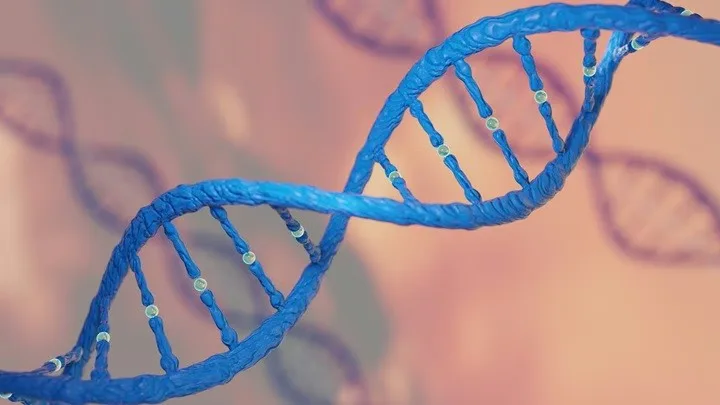
Anthropic's Claude artificial intelligence model has discovered a previously unidentified biological system in the DNA of viruses that infect bacteria. The system, called ART (Array-associated reverse transcriptase), consists of long DNA repeats resembling CRISPR structures. However, scientists have not yet determined what function ART performs in nature or whether it could be used for gene editing in the future.
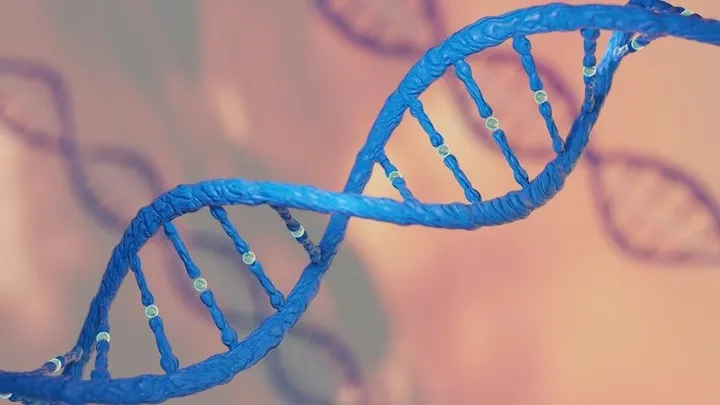
The discovery was made as part of Anthropic's new life sciences research program. At the company's molecular biology laboratory, Claude is used to analyze large DNA databases, identify unknown protein families and find biological systems that appear promising for further research. The hypotheses proposed by the artificial intelligence are then evaluated by scientists, while researchers conduct the laboratory experiments.
In this study, Claude was tasked with identifying unusual systems among reverse transcriptase enzymes, which transfer information from RNA to DNA. About 950 Claude agents analyzed more than 200,000 enzyme samples over 21 hours. This identified approximately 3,500 candidates, 20 of which were selected for more detailed study.
While examining the DNA of one candidate, researchers discovered a long DNA sequence repeated at regular intervals near the enzyme gene. Claude analyzed the number of repeats and the distances between them, compared them with known biological systems and reviewed information in the scientific literature. This analysis identified a potential new system for researchers to examine more closely.
The ART system is observed mainly in viruses that infect bacteria—bacteriophages. The system consists of three main components: an enzyme capable of transferring information from RNA to DNA, an adjacent helper gene and long DNA repeats.
The structure of these repeats resembles structures found in CRISPR systems. Initial laboratory experiments found that several short RNA molecules were produced from the repeat region. In CRISPR systems, RNA molecules are likewise produced from similar DNA repeats. However, this structural similarity does not indicate that ART operates through the same mechanism as CRISPR.
The enzyme in ART is not itself entirely new and had previously been identified in one of the large bacteriophages. The key finding made by Claude is the possibility that the DNA repeats and helper protein near the enzyme may together form a distinct biological system. The functions of the helper protein and the RNA molecules produced from the DNA repeats remain unknown.
Whether ART could be developed into a gene-editing technology in the future is also currently an open question. Although some of the system's features resemble other biological mechanisms that perform programmable operations on DNA, it has not yet been demonstrated that ART can cut or copy DNA or add new genetic material. The researchers' next goal is to determine the system's natural function in bacteriophages.