
16:23Machine-translated from Azerbaijani by AIRead in Azerbaijani
Companies Train AI on Brain Recordings from Sleep Trackers
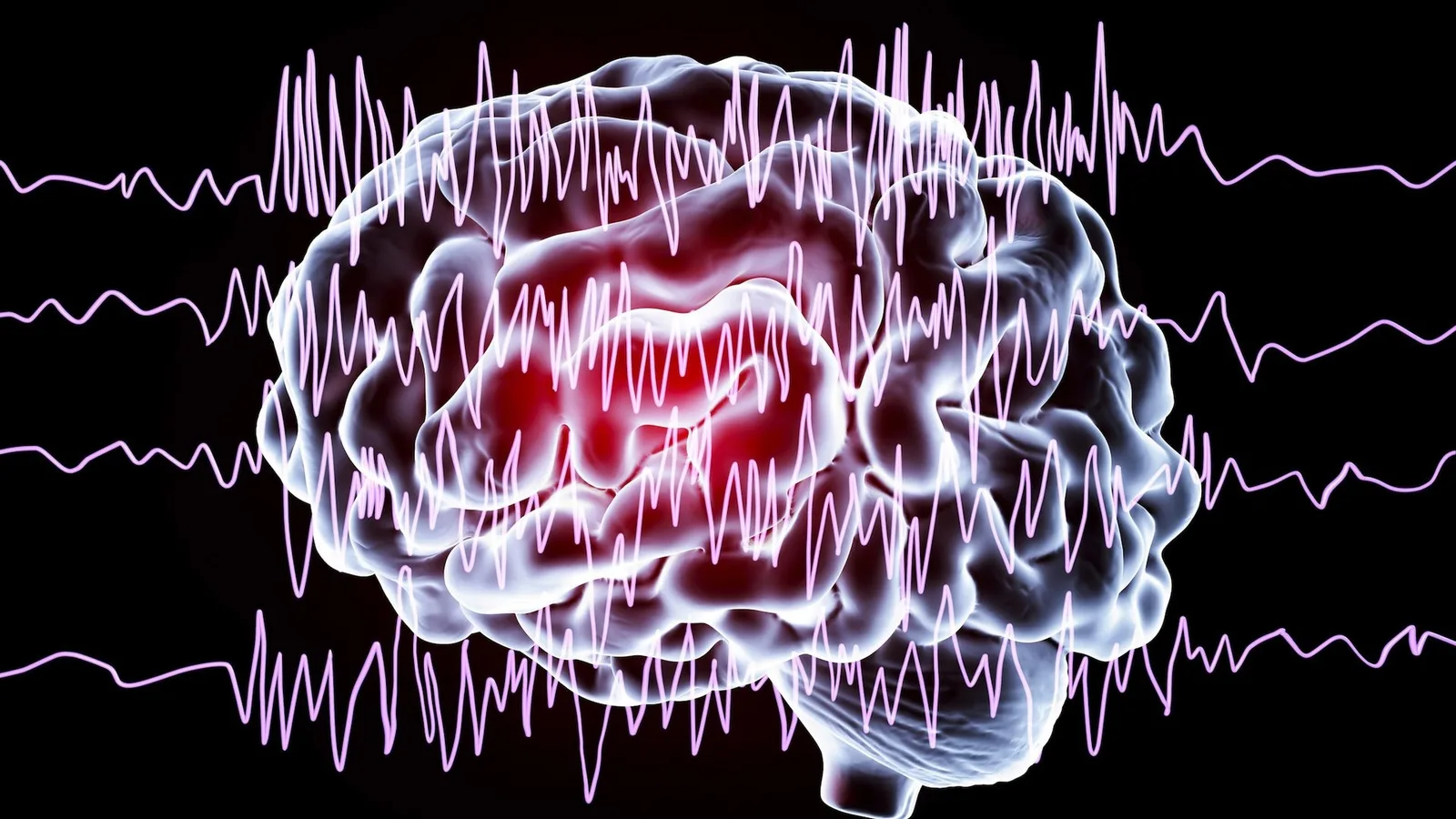
Brain waves collected by wearable sleep-tracking devices are being used by some companies to train artificial intelligence models. According to an investigation, neurotechnology companies have collected tens of millions of hours of electroencephalography (EEG) recordings, which capture the brain’s electrical activity. The data is being used to develop foundation models that learn brain activity. However, some companies initially did not clearly state in their privacy policies that the data would be used this way.
Muse, a sleep and meditation headband made by the Canadian company Interaxon, measures the brain’s electrical activity and other bodily indicators while a person sleeps. The collected data is turned into a report showing sleep quality and how it changes over time. The company has also developed an artificial intelligence model using approximately 50,000 hours of EEG recordings. Interaxon says personal information such as names, email addresses and addresses is removed beforehand.
Interaxon’s previous privacy policy did not clearly state that brain recordings could be used to train foundation models. The company later updated the document and acknowledged that users should be clearly informed about this. However, the change came too late for recordings that had already been processed. The company may therefore face legal claims. Emotiv is also training its Large Brain model with user recordings collected from expensive EEG devices.
After receiving questions, Emotiv updated its privacy policy. According to the company, neural data that does not identify the person it belongs to is used for model training only with the user’s consent. More than 67% of the companies examined allow data to be transferred without consent when a business changes hands. Colorado and California have included neural data in consumer privacy laws. Most other states do not offer such protection.
Unlike language models, these foundation models are trained not on text but on recordings of the brain’s electrical activity. By detecting recurring patterns, the system learns to recognize different brain states and serves an assistive role in research. Piramidal and Cleveland Clinic have developed a model using more than 4 million hours of EEG data. The system, which was additionally trained on clinical records, correctly identified 9 out of 10 seizures during testing.
However, headbands designed for ordinary users cannot read thoughts. Wearable EEG devices typically have 1–6 electrodes. Clinical systems that make more comprehensive recordings have 19–25. In February, an engineer found login credentials in the Android app for a smart sleep mask that appeared to be shared across different devices. The security flaw revealed that it was possible to access other users’ EEG recordings.
Neural data is also being collected for larger projects. Coundit is collecting 10,000 hours of brain activity, speech and text data from thousands of patients. The company wants to use this data to develop artificial intelligence that translates brain signals into language. Meta’s noninvasive BrainQwerty system converts brain activity into keyboard input. In the system’s 2nd generation, average word accuracy increased from the previous 40% to 61%. Nevertheless, the technology is not yet ready for everyday use.