
21:54Machine-translated from Azerbaijani by AIRead in Azerbaijani
Elorian Unveils Glimpse AI Model for Visual Analysis
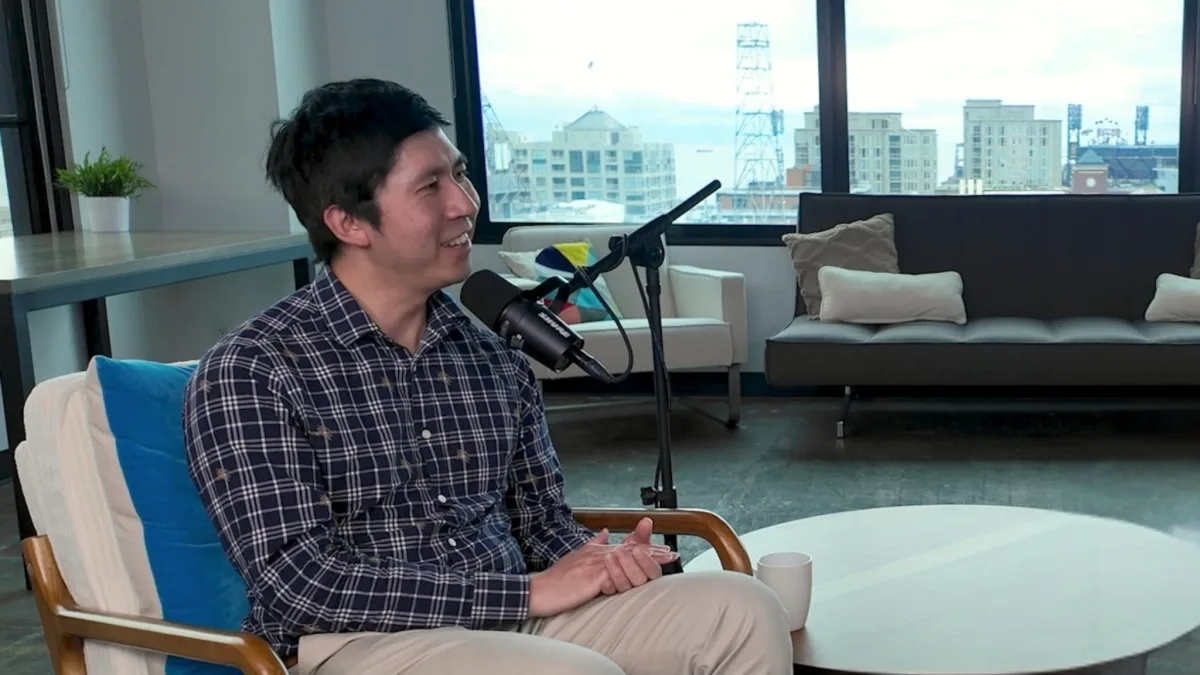
Elorian unveiled Glimpse, its first artificial intelligence model developed in Palo Alto, on Friday. The model is still in the research testing phase and can be accessed through an API, or software interface. Access to the chat section is granted only after joining the waitlist. According to the company, Glimpse revisits the visual source while preparing a response.
Most multimodal models analyze an image in 1 pass, break it into small pieces of data and prepare a response based on text. Glimpse, however, zooms in on a specific part of an image when necessary and selects specific frames from a video. The model can also run code to measure what it sees. Elorian calls this method “visual scratch space.” The process is similar to zooming in on an image on a phone and checking the details again.
According to tests conducted by Elorian, Glimpse outperformed GPT-6 Astra in analyzing scientific charts and captioning short videos. It also achieved strong results in other visual reasoning tests. The model was trained by a small team using several hundred GPUs. The company says it is considerably smaller than the advanced systems it was compared with.
With Glimpse, every 1 million input tokens costs $0.60 (about 1 manat). The same number of output tokens costs $3 (about 5 manats). A token is a small piece of data processed by an artificial intelligence model. The service is cheaper than mid-tier models such as Sonnet and Sol. Lightweight models such as Haiku and Luna cost less.
Elorian introduced itself to the public 6 months ago. Before launching its product, the startup had raised $55 million (about 93.5 million manats) in initial funding at a valuation of $300 million (about 510 million manats). The funding round was led by Striker Venture Partners, Menlo Ventures and Altimeter Capital. Investors include Nvidia, as well as Google Chief Scientist Jeff Dean.
The company is initially targeting robotics and media companies with large video archives, scientific laboratories and businesses operating in the creative sector. Later, the model is expected to choose what action to take based on the scene it sees. This capability could also be used to control robots directly. Elorian wants to develop a model next year that leads all major visual reasoning tests.