
21:03Machine-translated from Azerbaijani by AIRead in Azerbaijani
FBI arrests border official accused of stealing parts from 46 government computers
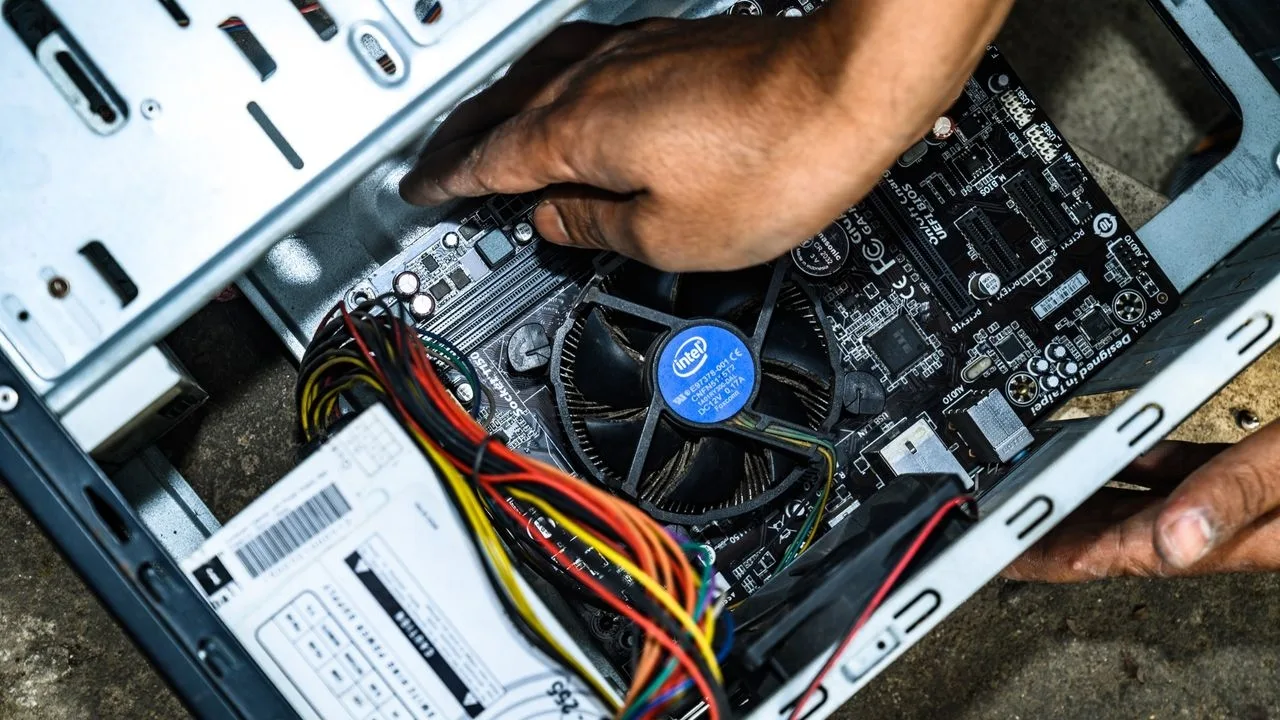
The Federal Bureau of Investigation has arrested Terry “Jiajia” Liu, a U.S. Customs and Border Protection supervisor working in Calais, Maine. He is accused of stealing and damaging government property. According to the investigation, Liu removed processors, RAM modules and hard drives from at least 46 government computers at 3 border facilities. The computers belonged to the U.S. Department of Homeland Security.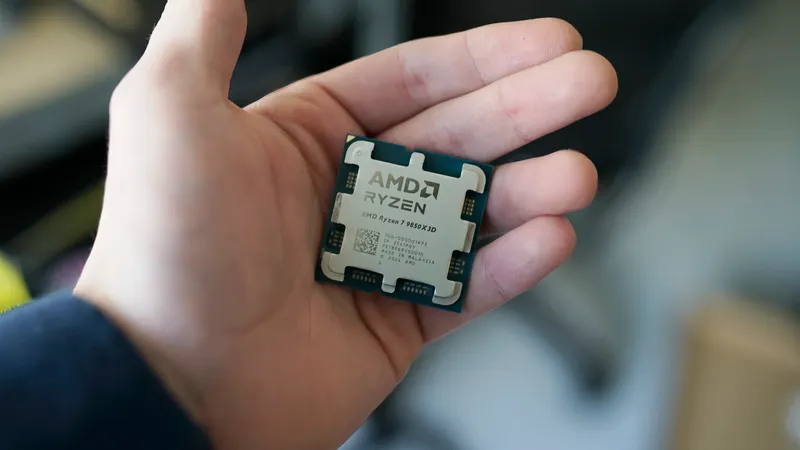 Liu’s job was limited to providing technical support for information technology. He was not authorized to replace computer components. The port director had instructed him in writing not to move the computers or their components. Despite this, hidden cameras recorded computers being taken to the training room and opened during the night shift. The footage shows Liu scraping off thermal paste, a substance that helps cool the processor, with a screwdriver. He then installs another chip and places the RAM module in a desk drawer. The investigation found that the processors in 39 computers had been replaced. RAM modules were replaced in another 6 computers, while hard drives were replaced in 8 computers. The systems had originally been fitted with 14th-generation “Intel Raptor Lake Refresh” chips. Older processors, including “Pentium” chips in some cases, were later found in their place. Other computers had less random-access memory (RAM) and less permanent storage for files than before.
 The allegedly stolen components were not sold on the open market. Liu sent them to Newegg’s trade-in program and received store credit. These transactions continued from May 2025 through July 2026. During that 14-month period, “Core i7 Raptor Lake Refresh” chips were submitted to the program 16 times. Between $200 and $210 (AZN 340 to AZN 357) was issued for each chip. The investigation found 13 emails containing shipping documents that had been sent between personal and work email accounts. An “American Express” account also showed 3 credits of $200 each.
 During questioning, Liu admitted that he had purchased the inferior components from “Amazon” and “Newegg.” He also said that he had submitted the government-owned components to the trade-in program. He initially said he had done so to improve the computers’ performance and resolve a long-running repair problem. He later acknowledged that the changes had reduced the devices’ speed and overall performance. Restoring the allegedly stolen equipment could cost approximately $20,460 (approximately AZN 34,780). Completely replacing the 46 computers whose components were changed with new systems of the same standard is estimated to cost $105,800 (approximately AZN 179,860). This amount does not include the labor cost of configuring each computer separately for government work. The final cost could therefore be higher.
Liu’s job was limited to providing technical support for information technology. He was not authorized to replace computer components. The port director had instructed him in writing not to move the computers or their components. Despite this, hidden cameras recorded computers being taken to the training room and opened during the night shift. The footage shows Liu scraping off thermal paste, a substance that helps cool the processor, with a screwdriver. He then installs another chip and places the RAM module in a desk drawer. The investigation found that the processors in 39 computers had been replaced. RAM modules were replaced in another 6 computers, while hard drives were replaced in 8 computers. The systems had originally been fitted with 14th-generation “Intel Raptor Lake Refresh” chips. Older processors, including “Pentium” chips in some cases, were later found in their place. Other computers had less random-access memory (RAM) and less permanent storage for files than before. The allegedly stolen components were not sold on the open market. Liu sent them to Newegg’s trade-in program and received store credit. These transactions continued from May 2025 through July 2026. During that 14-month period, “Core i7 Raptor Lake Refresh” chips were submitted to the program 16 times. Between $200 and $210 (AZN 340 to AZN 357) was issued for each chip. The investigation found 13 emails containing shipping documents that had been sent between personal and work email accounts. An “American Express” account also showed 3 credits of $200 each. During questioning, Liu admitted that he had purchased the inferior components from “Amazon” and “Newegg.” He also said that he had submitted the government-owned components to the trade-in program. He initially said he had done so to improve the computers’ performance and resolve a long-running repair problem. He later acknowledged that the changes had reduced the devices’ speed and overall performance. Restoring the allegedly stolen equipment could cost approximately $20,460 (approximately AZN 34,780). Completely replacing the 46 computers whose components were changed with new systems of the same standard is estimated to cost $105,800 (approximately AZN 179,860). This amount does not include the labor cost of configuring each computer separately for government work. The final cost could therefore be higher.