
11:00Machine-translated from Azerbaijani by AIRead in Azerbaijani
Female-Presenting AI Assistant Was Paid Less in Experiment
A new study conducted at Ireland’s University of Limerick has shown that artificial intelligence agents may also be affected by gender bias in the workplace. An AI agent is an artificial intelligence assistant that performs tasks independently. In the experiment, a female-presenting virtual assistant was allocated less pay than a male-presenting assistant doing the same work. This difference was not due to ability, but arose solely from the agents being presented with different appearances.
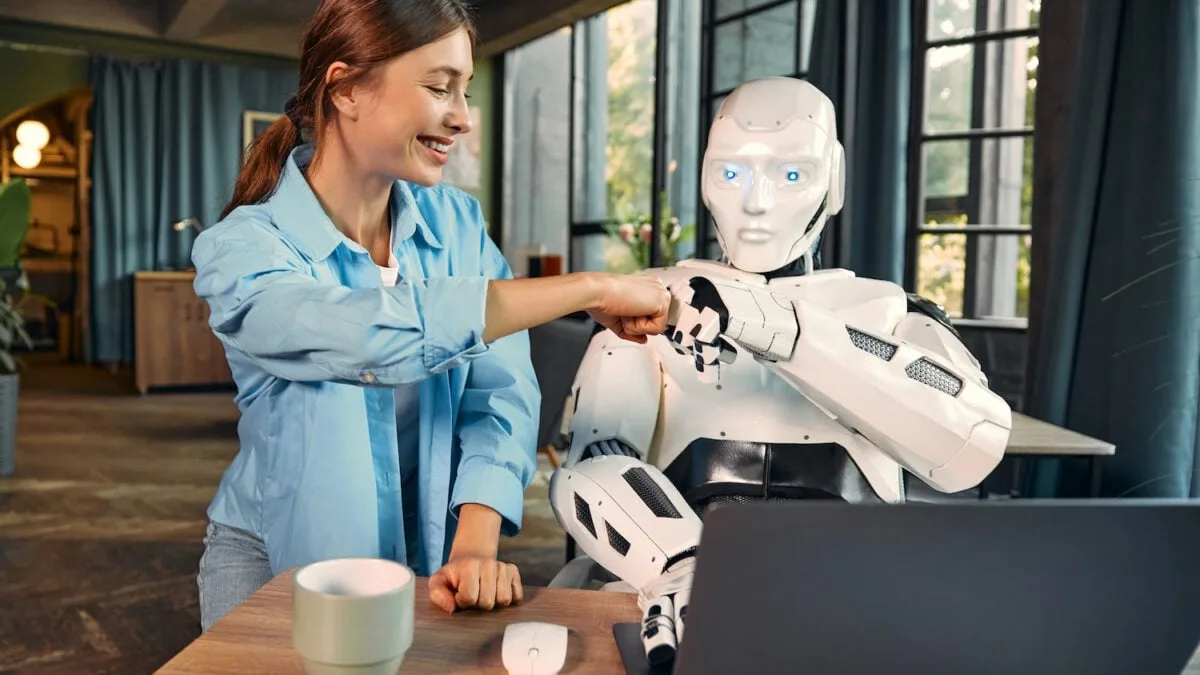
The study involved 189 knowledge workers. They completed tasks with 3 different AI agents in an office created in virtual reality. One of the agents was a text-based chatbot, while another was a robotic-looking desktop assistant. The 3rd agent was human-like and had either male or female characteristics. Participants assessed the assistants’ work and allocated pay to them.
The human-like agents received higher ratings and pay than the robotic-looking assistants. However, even though the male- and female-presenting agents did exactly the same work, “Johan” received an average of 10% more pay. Participants considered the male-presenting “Johan” more human than the female-presenting “Johanna.” The researchers compared this finding with the pay gap between women and men in real workplaces.
The researchers then interviewed 34 participants. Of them, 30 said they would trust the AI assistant equally and give it the same reward regardless of its gender. Only 3 acknowledged that their behavior might involve gender bias. Just 1 participant openly said that they trusted women less.
The largest group of participants preferred working with a female-presenting AI assistant. The researchers link this to the use of primarily female voices in virtual assistants such as “Siri” and “Alexa.” According to them, technology companies make this choice because they consider female voices more approachable and less intimidating. Nevertheless, the female-presenting agent was perceived as less human and was allocated lower pay in the experiment.