
15:36Machine-translated from Azerbaijani by AIRead in Azerbaijani
Finnish Police Launch Criminal Investigation Into Google’s AI Center
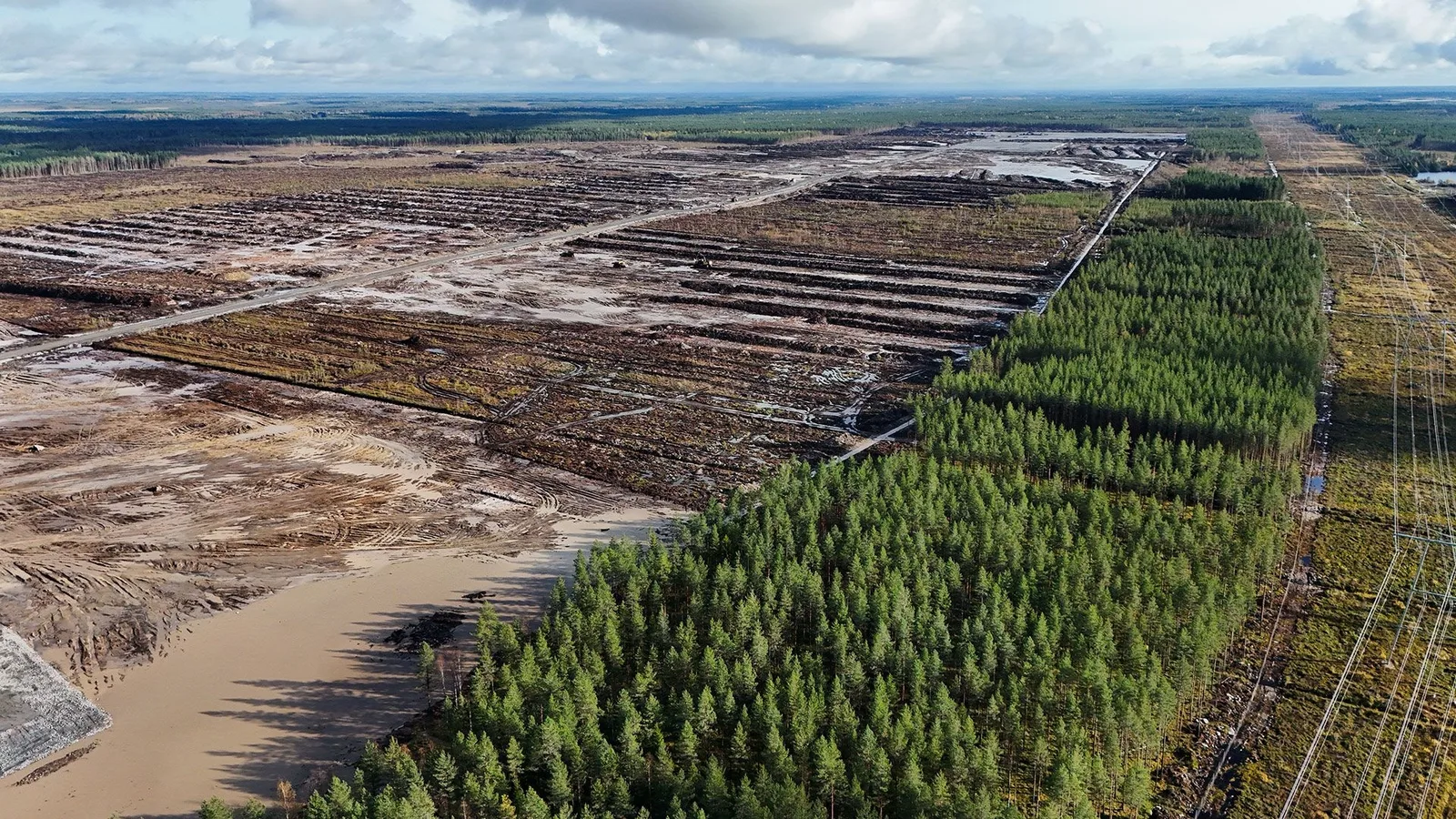
Finnish police have launched a criminal investigation into Tuike Finland Oy, Google’s local company in the country. The investigation was opened following 5 complaints concerning an artificial intelligence (AI) data center planned for construction in Muhos. The company is suspected of violating environmental laws and harming nature. Finland’s Licensing and Supervision Agency is also supporting the investigation. Approximately 330 hectares of forest near Muhos have been cleared, turning the area into a muddy site. Google previously issued a public apology for cutting down trees without authorization. The company also cleared approximately 202 hectares of forest to build a data center near Otanmäki. Police are also investigating shortcomings related to draining and managing water from the site. The destruction of the forests has affected wildlife habitats. Wolves have been observed leaving the forests and entering nearby villages. Construction noise, pollution and increased demand for utilities are causing concern among local residents. They also fear that electricity bills could rise by up to 40%. At the same time, Finland’s cool climate and relatively inexpensive energy make the country well suited for data centers. Google said it would cooperate with the police investigation and work to comply with regulations at its facilities. The investigation comes at a time when electricity is becoming increasingly important for AI data centers. When selecting a country, operators consider regulations as well as the availability and cost of energy. If a connection to the power grid is delayed by several years, companies could miss an entire stage of technological development. China is investing approximately $295 billion (approximately 501.5 billion manats) in a nationwide AI computing network and energy infrastructure. Growing demand in the US has increased interest in local electricity generation and energy storage systems. Worldwide, 2,500 GW of generation capacity is waiting in line. Data centers in Frankfurt, London, Amsterdam, Paris and Dublin may have to wait up to 10 years to connect to the power grid. Building such facilities also takes approximately 4 years. Major upgrades to power grids can take up to 15 years. In the meantime, batteries, small local energy grids and smart energy management are helping make more efficient use of existing capacity. If data centers in Europe adjusted their energy use for just 30 hours a year, the grid capacity available to them could more than double. This involves storing energy during periods of low demand and using it during times of peak demand. Schneider Electric has so far developed approximately 150 modular data center solutions for Compass Data Centers. Maintenance based on data from sensors has reduced manual work at the facilities by 40%. Operating costs have also fallen by 20%. Inexpensive, sustainable and readily available electricity is becoming one of the key requirements for AI infrastructure. Representatives of the Finnish government have not yet commented on the investigation involving Google.