
19:42Machine-translated from Azerbaijani by AIRead in Azerbaijani
Global Smartphone Shipments Fell 20% in Q3 2026
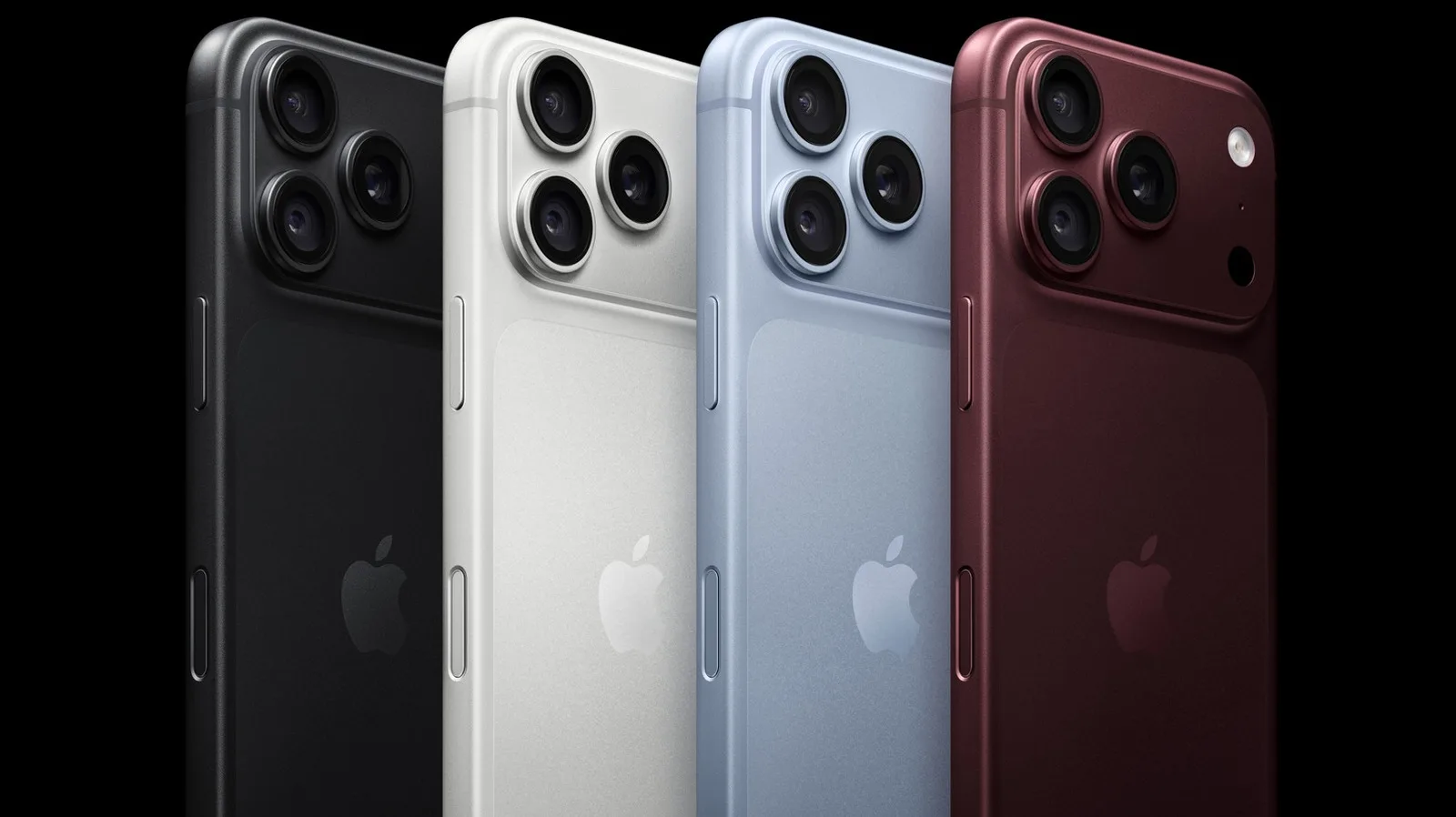
According to a report by Counterpoint Research, global smartphone shipments fell 20% in the 3rd quarter of 2026, covering July through September. This was the lowest result for a 3rd quarter in the past 14 years. The smartphone market fell to a level not seen since 2012. The main reasons for the decline were memory shortages, rising component costs and ongoing supply constraints.
Prices continued to rise for the DRAM and NAND memory used to store and process data in phones. This significantly increased production costs. As a result, smartphone prices have risen 20% since the beginning of the year. Consumers began waiting longer to replace their phones and favoring refurbished devices offered for resale. Despite this, demand for more expensive models remained stable.
Samsung maintained its lead with a market share of 23%. The company’s share was 19% in the same period last year. Thus, although its share increased by 4 percentage points, its shipment volume fell 3%. Initial interest in the Galaxy Z Fold8, Fold8 Ultra and Flip8 models, which went on sale in early August, played an important role in this result. The Galaxy Z Fold8 attracted the most attention.
Although Apple’s shipment volume declined, its market share rose from 18% to 22%. The company exceeded the 20% threshold for the first time in the history of its 3rd-quarter results. This narrowed the gap with market leader Samsung to 1 percentage point. Because the standard iPhone 18 was not released, the number of devices shipped to stores during the announcement month was lower than for the complete iPhone 17 series last year. Nevertheless, initial sales of the iPhone 18 Pro models were stronger in China and India. Continued interest in the iPhone 17 series also softened the impact of the decline. Price increases were felt only in the final weeks of the quarter.
Chinese brands ended the 3rd quarter with sharp declines. Xiaomi’s shipments fell by more than 30%, while its market share dropped from 14% to 10%. Shipments of OPPO and vivo phones declined by more than 20%. OPPO’s market share fell from 12% to 9%. vivo’s share also dropped from 9% to 8%.
According to the report, challenges in the market will continue throughout the remainder of 2026. Instead of shipping more devices, manufacturers will try to protect their revenue. To do so, they will reduce production and focus on expensive models. Price-sensitive consumers may face greater difficulties. No significant market recovery is expected until component prices fall and supply improves.