
15:42Machine-translated from Azerbaijani by AIRead in Azerbaijani
GM Is Building a Center to Develop EV Batteries Twice as Fast
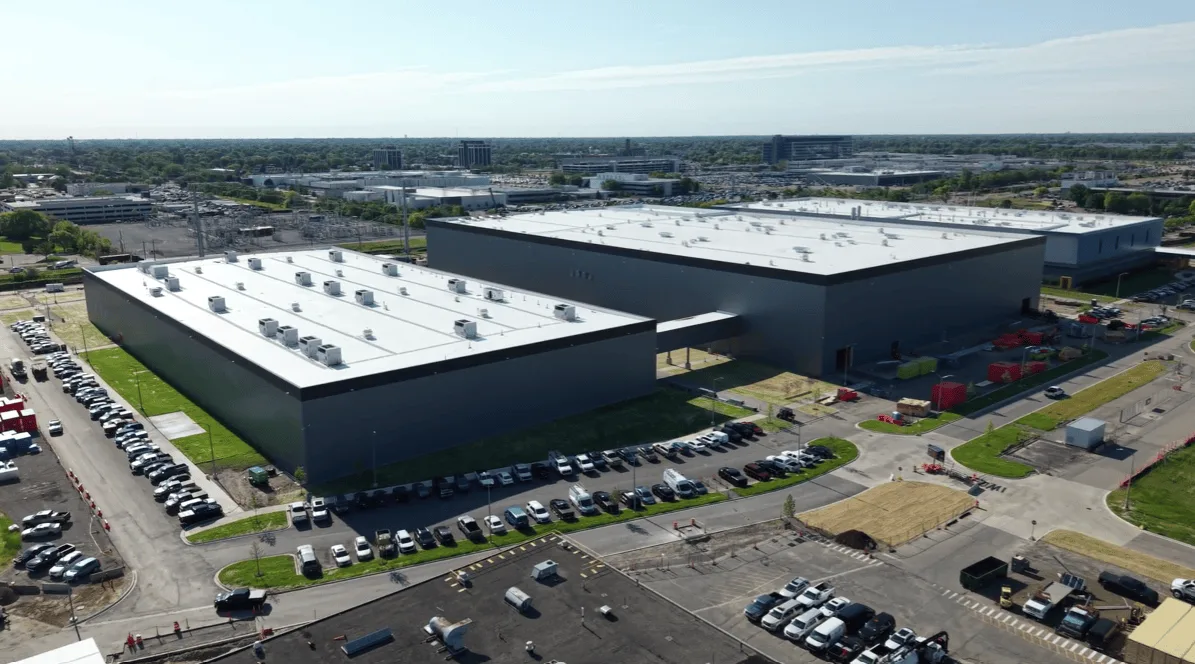
GM is building a new Battery Cell Development Center for EV batteries in Warren, Michigan. Artificial intelligence models and a small production line are expected to cut the development time for new battery cells by approximately half. The goal is to reduce costs and increase sales of more affordable EVs.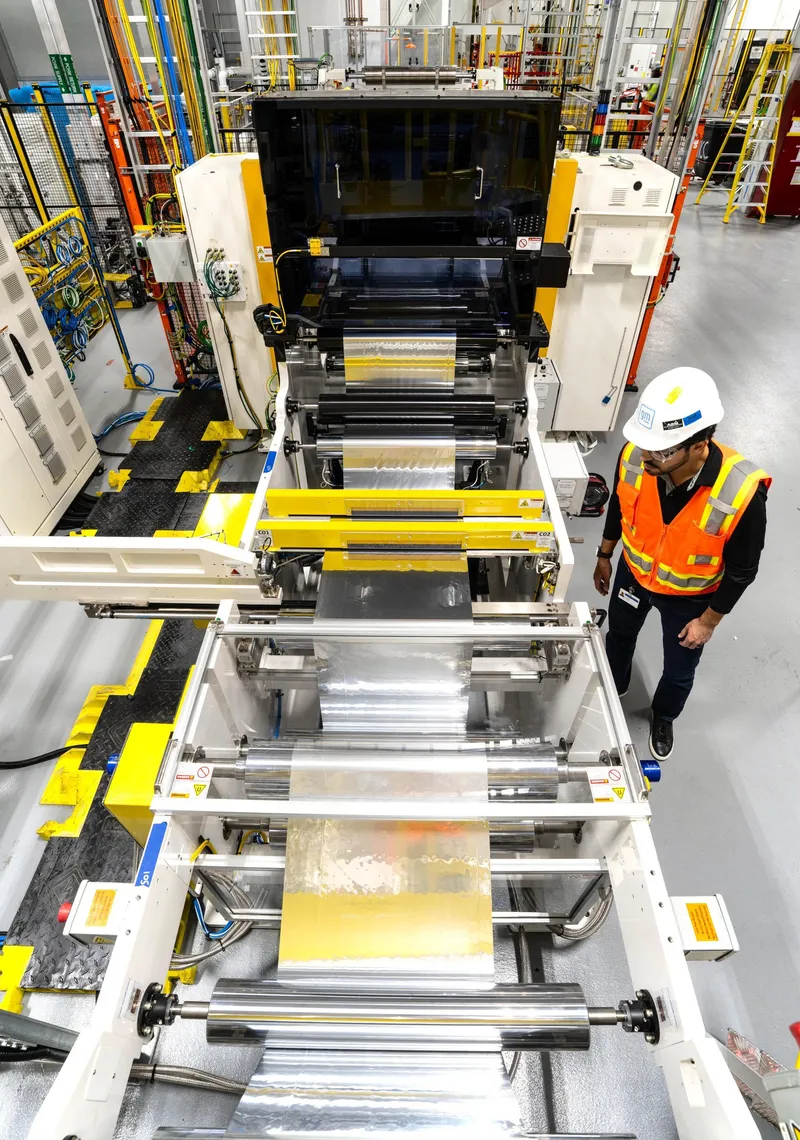 The center, housed in 2 adjacent buildings, has a total area of approximately 46,500 square meters. The project is valued at $900 million (approximately 1.53 billion manats). The center will have a maximum capacity of 4–5 gigawatt-hours. However, its main purpose is not mass production. Thousands of test cells will be produced at the facility every day, and manufacturing methods will be refined. The center will initially develop lithium- and manganese-rich prismatic cells. Test products are scheduled to be released in the final quarter of 2026. These cells use very little cobalt and nickel. Mass production is expected to begin in 2028. Sodium-ion prismatic cells being developed with Peak Energy for energy storage systems will be tested later.
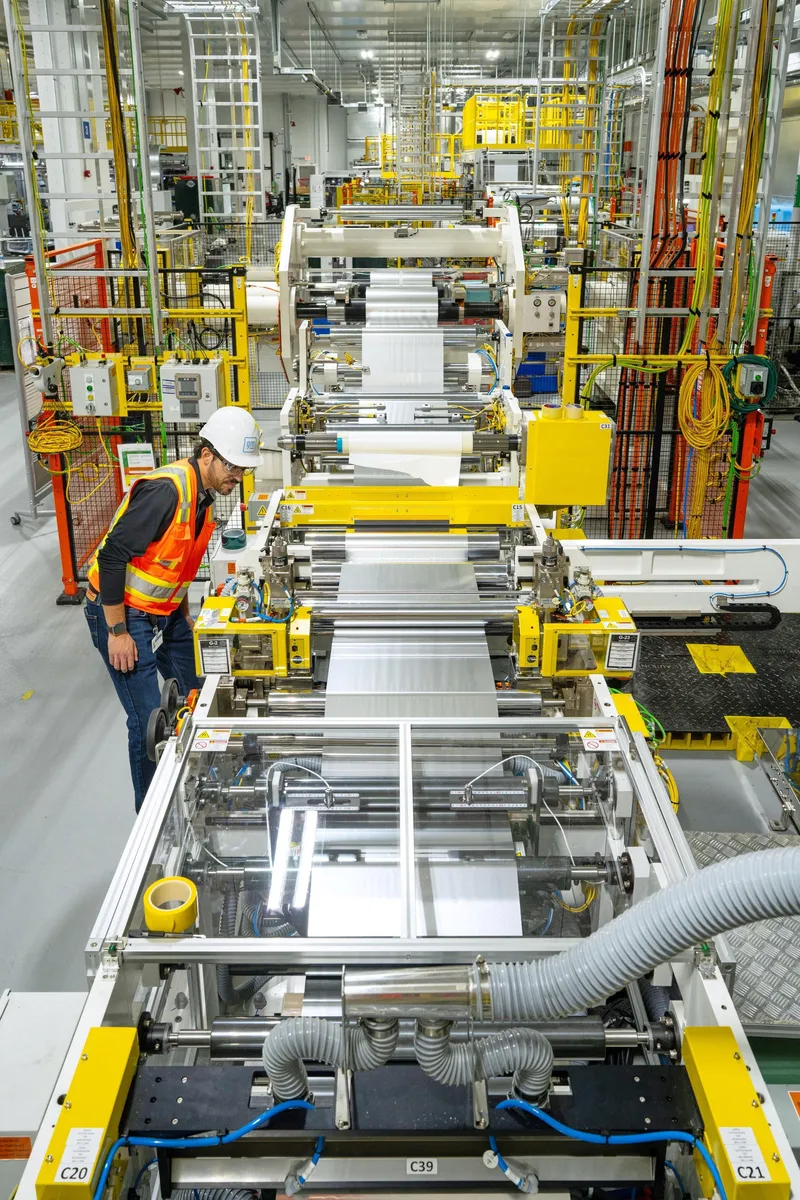
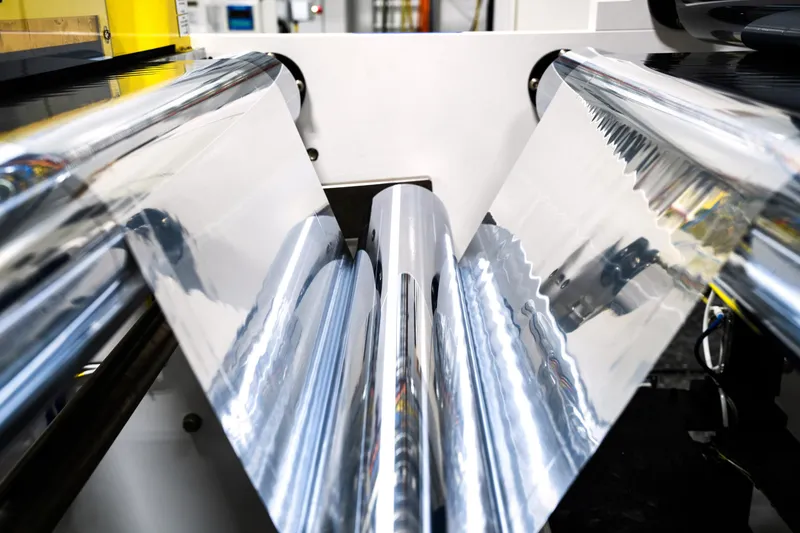 The center will accelerate the stage between laboratory testing and mass production. The Kettering laboratory tests battery chemistry on a single cell. Small batches of large cells are produced at the Wallace center, which opened in 2023. At the new facility, the mixture volume will be increased from 40 liters to at least 1,500 liters. This figure could reach 2,000 liters, and the production process will be tested on actual factory equipment.
 Before physical production begins, digital twins, or virtual models of the product, are used. These models test the cell chemistry, electrodes, battery pack and entire EV. Artificial intelligence trained on battery data from the past 10 years calculates the effects of changes such as reducing cobalt and increasing silicon within a few days. This method has cut mixing time in half without compromising quality. GM expects the entire development process to be completed approximately twice as fast. According to the company's estimates, promising battery chemistries could reach the market up to 1 year sooner. The completed designs will then be sent to large factories operated by Ultium Cells, LG Energy Solution and other partners. The battery pack accounts for 30–40% of an EV's total price. Therefore, reducing battery costs plays a key role in developing more affordable EVs.
The center, housed in 2 adjacent buildings, has a total area of approximately 46,500 square meters. The project is valued at $900 million (approximately 1.53 billion manats). The center will have a maximum capacity of 4–5 gigawatt-hours. However, its main purpose is not mass production. Thousands of test cells will be produced at the facility every day, and manufacturing methods will be refined. The center will initially develop lithium- and manganese-rich prismatic cells. Test products are scheduled to be released in the final quarter of 2026. These cells use very little cobalt and nickel. Mass production is expected to begin in 2028. Sodium-ion prismatic cells being developed with Peak Energy for energy storage systems will be tested later. The center will accelerate the stage between laboratory testing and mass production. The Kettering laboratory tests battery chemistry on a single cell. Small batches of large cells are produced at the Wallace center, which opened in 2023. At the new facility, the mixture volume will be increased from 40 liters to at least 1,500 liters. This figure could reach 2,000 liters, and the production process will be tested on actual factory equipment. Before physical production begins, digital twins, or virtual models of the product, are used. These models test the cell chemistry, electrodes, battery pack and entire EV. Artificial intelligence trained on battery data from the past 10 years calculates the effects of changes such as reducing cobalt and increasing silicon within a few days. This method has cut mixing time in half without compromising quality. GM expects the entire development process to be completed approximately twice as fast. According to the company's estimates, promising battery chemistries could reach the market up to 1 year sooner. The completed designs will then be sent to large factories operated by Ultium Cells, LG Energy Solution and other partners. The battery pack accounts for 30–40% of an EV's total price. Therefore, reducing battery costs plays a key role in developing more affordable EVs.