
22:49Machine-translated from Azerbaijani by AIRead in Azerbaijani
Google and Unity Unveil New Platform for Creating Games With AI
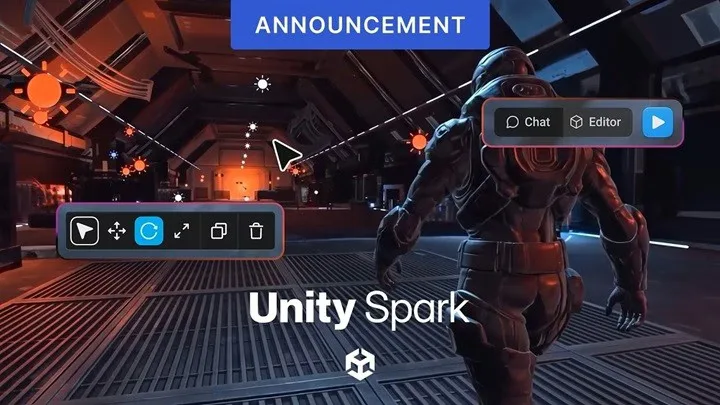
Google and Unity have announced a new platform called Unity Spark aimed at making game development through artificial intelligence more accessible. The browser-based system will allow users to create games simply by entering text prompts, without specialized knowledge of programming or game development.
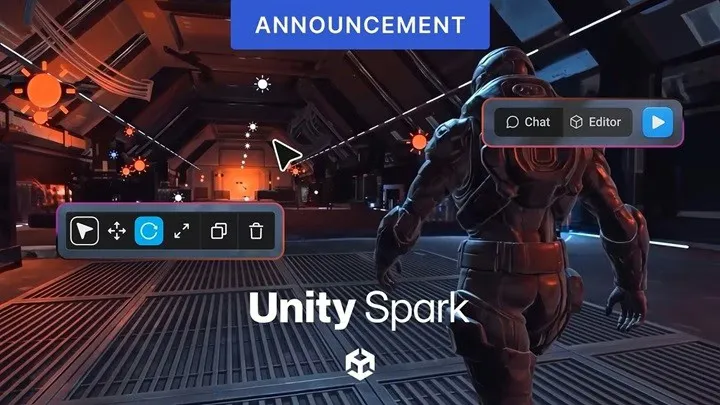
Unity Spark will expand on the capabilities of Google’s previously introduced Playground platform. The new system will support the development of projects ranging from simple game ideas to ones featuring complex mechanics and high-quality 3D graphics. Users will not need prior experience with the Unity game engine.
The platform’s main advantage is that it combines Unity’s professional game development capabilities with an AI-based interface. Users will describe the game they want to create in everyday language, and the system will help turn that description into game mechanics, environments, and other elements.
Google and Unity are presenting Spark as a development environment designed for the next generation of game creators. The platform will not be limited to creating a finished game from a single text prompt. As users work on a project, they will be able to add new features, modify existing mechanics, and expand the game’s content.
These capabilities were demonstrated during Unity’s presentation using a sci-fi shooter set in space. Starting from the initial idea, characters, enemies, various environmental elements, and new mechanics were added to the game. Based on the user’s prompts, the AI suggested suitable elements from Unity’s library of ready-made assets and helped develop the project.
This approach is intended particularly for users with limited technical knowledge. While implementing a game idea previously required skills in programming, 3D modeling, and working with game engines, Unity Spark aims to simplify certain parts of the process through artificial intelligence.
However, the platform is not designed to eliminate human involvement from the game development process entirely. The AI will operate based on the user’s instructions and serve as an assistant at various stages of the project.
Another important feature of Unity Spark is the ability to develop games as a team. Several users will be able to work together on the same project within the platform. Google and Unity plan to use this capability to turn game development from an individual creative process into a broader collaborative environment.
Users will be able to access the platform through their Google Play Games profiles. This integration is expected to provide leaderboards, player matchmaking for multiplayer modes, and various community features.
Unity Spark is scheduled to begin closed beta testing later in 2026. The platform is not yet available to a broad user base. However, interested individuals can join the waiting list.
The launch of the new platform can be seen as the next stage in the use of artificial intelligence in the gaming industry. If Unity Spark delivers on its promised capabilities, people who want to develop games will be able to delegate some of the complex technical processes to AI and turn their ideas into functional prototypes more quickly.