
12:13Machine-translated from Azerbaijani by AIRead in Azerbaijani
Google Makes AI Watermark Detection Tool for Images, Video and Audio Available to Everyone
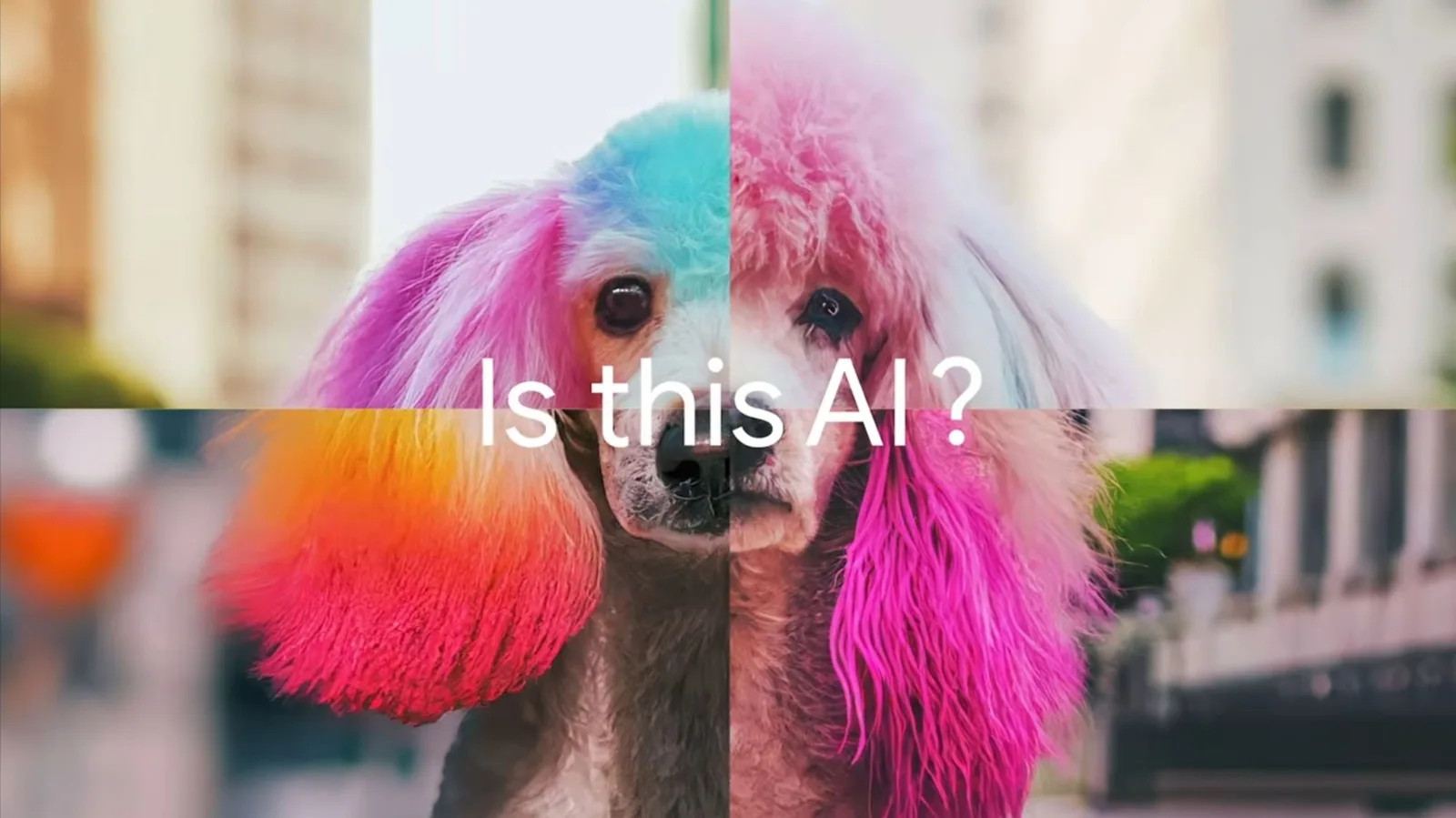
Google has made its SynthID Detector tool for checking AI-generated content available to all users. The service searches images, video and audio files for the invisible SynthID digital watermark. Google released this technology in 2023 and made the detector available to only a limited number of researchers and journalists in 2025. Now anyone can use it. To run a check, users must visit SynthID.com and sign in with a Google, OpenAI or Apple account. They can then upload an image, video or audio file, and the result appears within a few seconds. SynthID Detector simply gives a yes-or-no answer as to whether it found a matching watermark. However, it does not separately indicate which part of the content was created with artificial intelligence. Gemini adds this digital watermark to all the content it creates. The detector can also find partner watermarks in media files produced by OpenAI, NVIDIA and Kakao models. Apple has also joined the SynthID program, but a system capable of recognizing its content is still being developed. Because Meta’s tools do not use SynthID, the service cannot detect them. Google’s system does not analyze the appearance of a file; it searches for a specific digital watermark. Therefore, the likelihood of human-created content being mistakenly identified as an AI product is low. According to the company, the watermark remains even after the file has been edited. However, Google does not guarantee that it will be impossible to remove the watermark in the future. To make it harder to test methods for removing the watermark, each user is allowed approximately 10 checks per day. OpenAI’s own tool checks both additional information in a file indicating its AI origin and SynthID watermarks. Meta uses a watermark called Content Seal and an online detector. However, a test conducted in 2026 showed that this system sometimes failed to recognize watermarks correctly. Anthropic and Microsoft also mark AI-generated content, but they do not offer a detection tool for ordinary users. There is currently no single detector that can reliably identify content produced by all generative AI systems. General-purpose detectors available to everyone can also mistakenly identify human-created work as AI content.