
15:06Machine-translated from Azerbaijani by AIRead in Azerbaijani
Google Makes Its Tool for Checking AI-Generated Photos, Videos, and Audio Available to Everyone
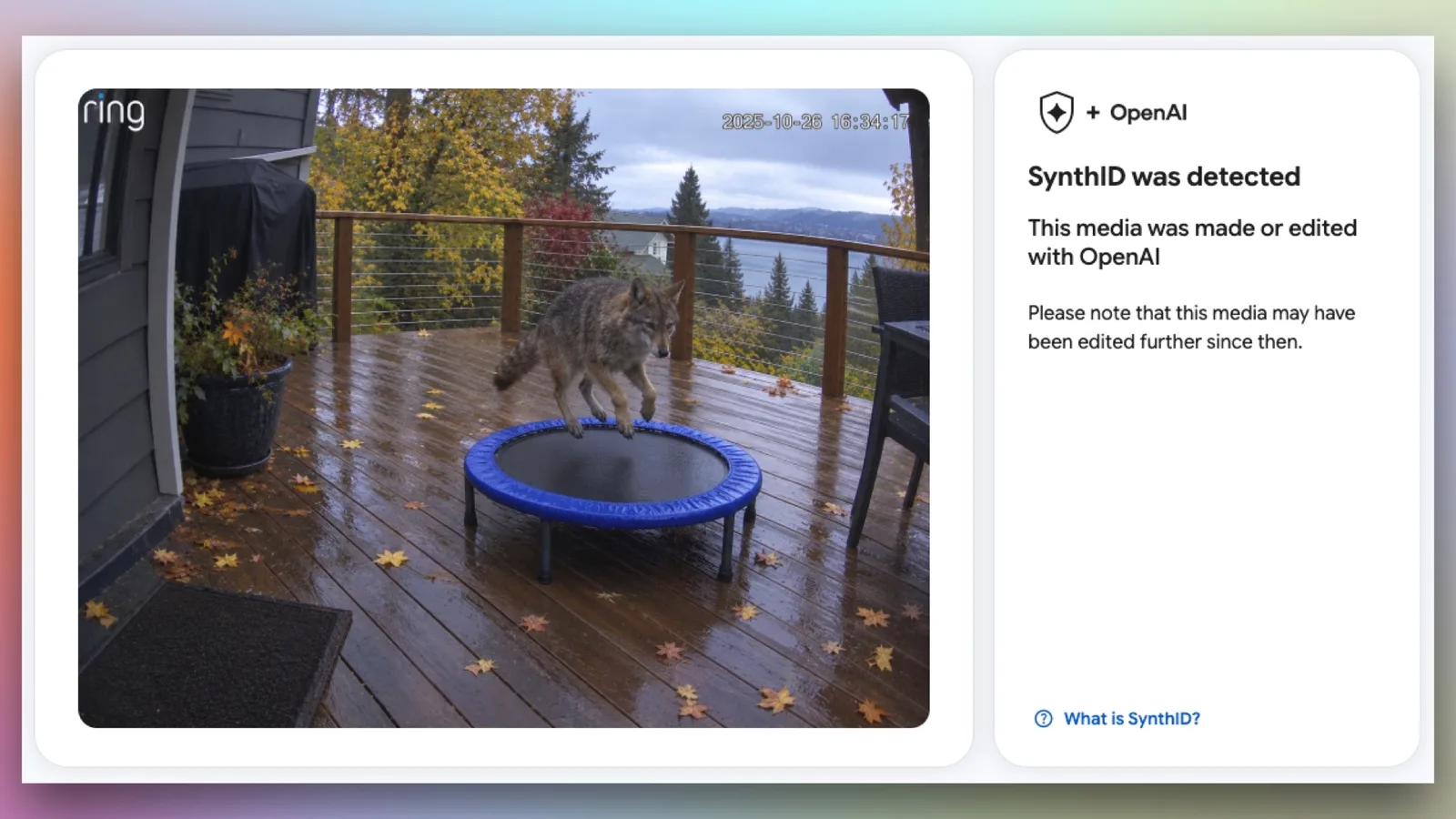
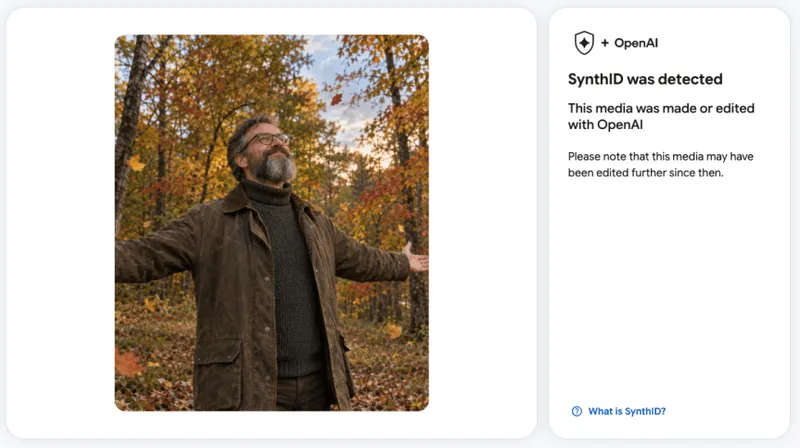
Google has made its SynthID Detector tool, which checks photos, videos, and audio generated or modified with artificial intelligence, available to everyone. Although it can be accessed from anywhere in the world, the service currently works only in English. Users can upload a file to find out whether it contains a SynthID watermark that is invisible to the naked eye. However, to obtain a result, this watermark must have been added when the content was created.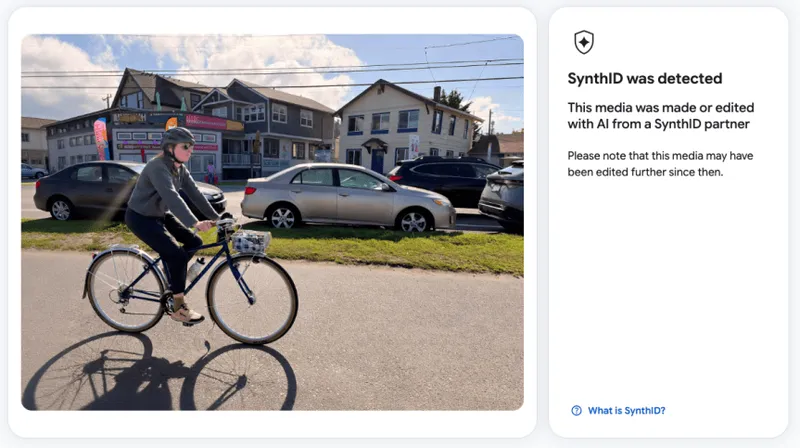 Users can sign in to the service with a Google, Apple, or ChatGPT account. The detector currently recognizes content created using tools from Google, OpenAI, Nvidia, and Kakao. It has been announced that SynthID support for Apple Intelligence models will become fully operational soon. During testing, a photo edited with Reframe and images created directly in ChatGPT were recognized. No watermark was found in an unmodified iPhone 18 Pro photo. An image created in Playground was not detected either. Google launched SynthID technology in 2023. Since the end of 2025, Gemini has been able to check whether images were created with Google’s artificial intelligence. At the Google I/O event held this May, that verification was expanded to video and audio files in Chrome and Google Search. All these checks have now been combined in a standalone detector.
 Pixel 11 Pro adds C2PA information showing where and how each photo was created. Images edited with artificial intelligence also receive a SynthID watermark. C2PA is a set of information that helps verify a file’s origin and how it was created. Apple has not joined this system. Instead, the company uses Reference Image technology, which cryptographically verifies and stores the original photo. To use it, the photo must be taken in Reference mode in the iPhone’s Camera app.
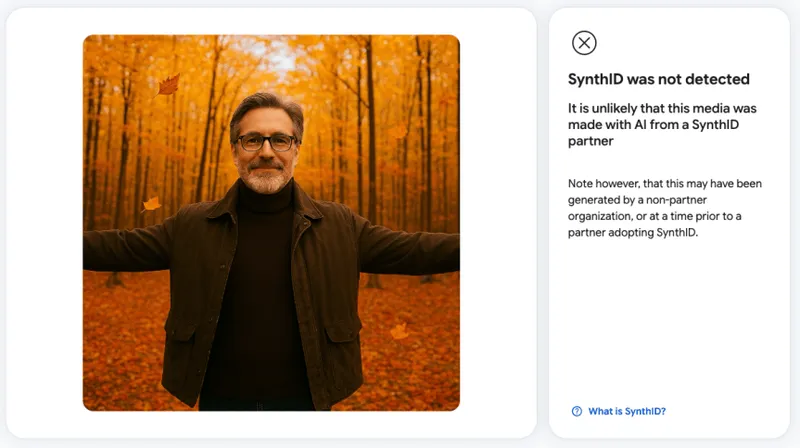 According to Google, uploaded media files are checked immediately and deleted after the result is displayed. An account-linked digital signature is created for the file, and the digital signature is deleted after 24 hours. OpenAI’s separate verification tool searches only for its own watermarks. For this reason, some AI-generated examples recognized by Google’s detector produced no result in that service. Although SynthID Detector is a useful tool, the absence of a watermark does not necessarily mean that the content is authentic. Even if an image was created entirely with artificial intelligence, the detector may not identify it if the app used did not add a watermark. In addition, a suspicious file must first be downloaded to a device and then uploaded to the service. Therefore, both the detector’s result and the content itself should be considered when making a final assessment.
Users can sign in to the service with a Google, Apple, or ChatGPT account. The detector currently recognizes content created using tools from Google, OpenAI, Nvidia, and Kakao. It has been announced that SynthID support for Apple Intelligence models will become fully operational soon. During testing, a photo edited with Reframe and images created directly in ChatGPT were recognized. No watermark was found in an unmodified iPhone 18 Pro photo. An image created in Playground was not detected either. Google launched SynthID technology in 2023. Since the end of 2025, Gemini has been able to check whether images were created with Google’s artificial intelligence. At the Google I/O event held this May, that verification was expanded to video and audio files in Chrome and Google Search. All these checks have now been combined in a standalone detector. Pixel 11 Pro adds C2PA information showing where and how each photo was created. Images edited with artificial intelligence also receive a SynthID watermark. C2PA is a set of information that helps verify a file’s origin and how it was created. Apple has not joined this system. Instead, the company uses Reference Image technology, which cryptographically verifies and stores the original photo. To use it, the photo must be taken in Reference mode in the iPhone’s Camera app. According to Google, uploaded media files are checked immediately and deleted after the result is displayed. An account-linked digital signature is created for the file, and the digital signature is deleted after 24 hours. OpenAI’s separate verification tool searches only for its own watermarks. For this reason, some AI-generated examples recognized by Google’s detector produced no result in that service. Although SynthID Detector is a useful tool, the absence of a watermark does not necessarily mean that the content is authentic. Even if an image was created entirely with artificial intelligence, the detector may not identify it if the app used did not add a watermark. In addition, a suspicious file must first be downloaded to a device and then uploaded to the service. Therefore, both the detector’s result and the content itself should be considered when making a final assessment.