
14:41Machine-translated from Azerbaijani by AIRead in Azerbaijani
GPT-6 Astra AI Decrypted an 85-Year-Old Enigma Message in 2 Days
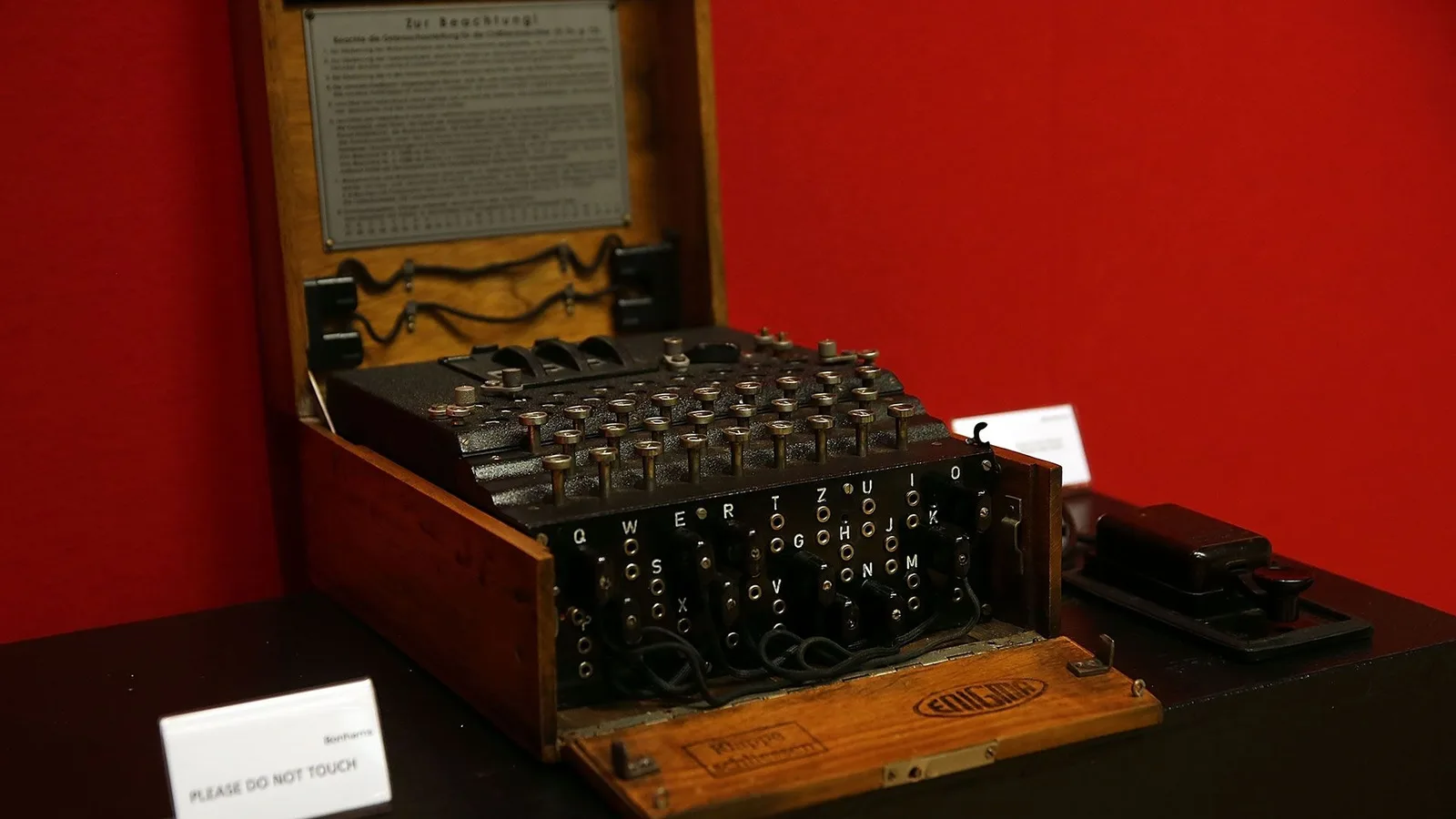
The “GPT-6 Astra” artificial intelligence model decrypted the MVUEH message encoded with “Enigma” 85 years ago in 2 days. The German army sent this radio message to the “SS-Totenkopf” division on 10 July 1941. Although the encrypted text was shared online with researchers in 2005, it had remained unread since then. According to the researchers, it could have taken a person weeks or even months to complete the same task.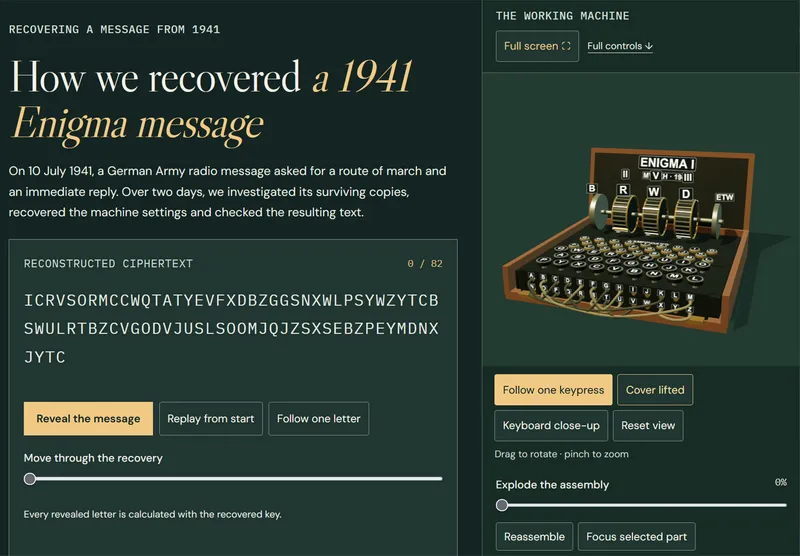 The model was tasked with solving one of the “Enigma” messages published online that had not yet been decrypted. “Astra” selected MVUEH message number 172 and linked it to SIPVX text number 173. The model suggested that the phrase “ROSENOW ROSENOW” might be repeated in the decrypted text. It then developed an “Enigma” simulator in “Python” and “C++,” as well as a “Bombe” program to help break the encryption. The MVUEH text consisted of 82 encrypted letters. The decrypted message asks for the route of march to be sent. The sender says that he is in Rosenow and expects an immediate reply by radio. There was also a typographical error at the beginning of the original text. This detail had made previous decryption attempts more difficult.
 The “Enigma” machine had 26 keys and the same number of illuminated letters. When a key was pressed, the signal passed through 3 rotating rotors and a reflector. The positions of the rotors changed after each keypress. The letters could be rearranged again by connecting up to 10 cables on the plugboard on the front panel. To read a message, 4 parameters had to be known, including the rotor order, ring settings, starting positions, and plugboard connections. It is still not entirely clear how the model decrypted the message so quickly. Researchers are now reviewing the operation logs. The result has been posted on a dedicated cryptanalysis page. 1 week earlier, the same model also solved another German radio code protected with the ADFGVX method that had remained unbroken for 108 years. The work once done to break the “Enigma” and “Lorenz” ciphers contributed to the creation of the first general-purpose digital computers.
The model was tasked with solving one of the “Enigma” messages published online that had not yet been decrypted. “Astra” selected MVUEH message number 172 and linked it to SIPVX text number 173. The model suggested that the phrase “ROSENOW ROSENOW” might be repeated in the decrypted text. It then developed an “Enigma” simulator in “Python” and “C++,” as well as a “Bombe” program to help break the encryption. The MVUEH text consisted of 82 encrypted letters. The decrypted message asks for the route of march to be sent. The sender says that he is in Rosenow and expects an immediate reply by radio. There was also a typographical error at the beginning of the original text. This detail had made previous decryption attempts more difficult. The “Enigma” machine had 26 keys and the same number of illuminated letters. When a key was pressed, the signal passed through 3 rotating rotors and a reflector. The positions of the rotors changed after each keypress. The letters could be rearranged again by connecting up to 10 cables on the plugboard on the front panel. To read a message, 4 parameters had to be known, including the rotor order, ring settings, starting positions, and plugboard connections. It is still not entirely clear how the model decrypted the message so quickly. Researchers are now reviewing the operation logs. The result has been posted on a dedicated cryptanalysis page. 1 week earlier, the same model also solved another German radio code protected with the ADFGVX method that had remained unbroken for 108 years. The work once done to break the “Enigma” and “Lorenz” ciphers contributed to the creation of the first general-purpose digital computers.