
18:05Machine-translated from Azerbaijani by AIRead in Azerbaijani
Lyft Begins Offering Rides in Waymo Robotaxis in Nashville
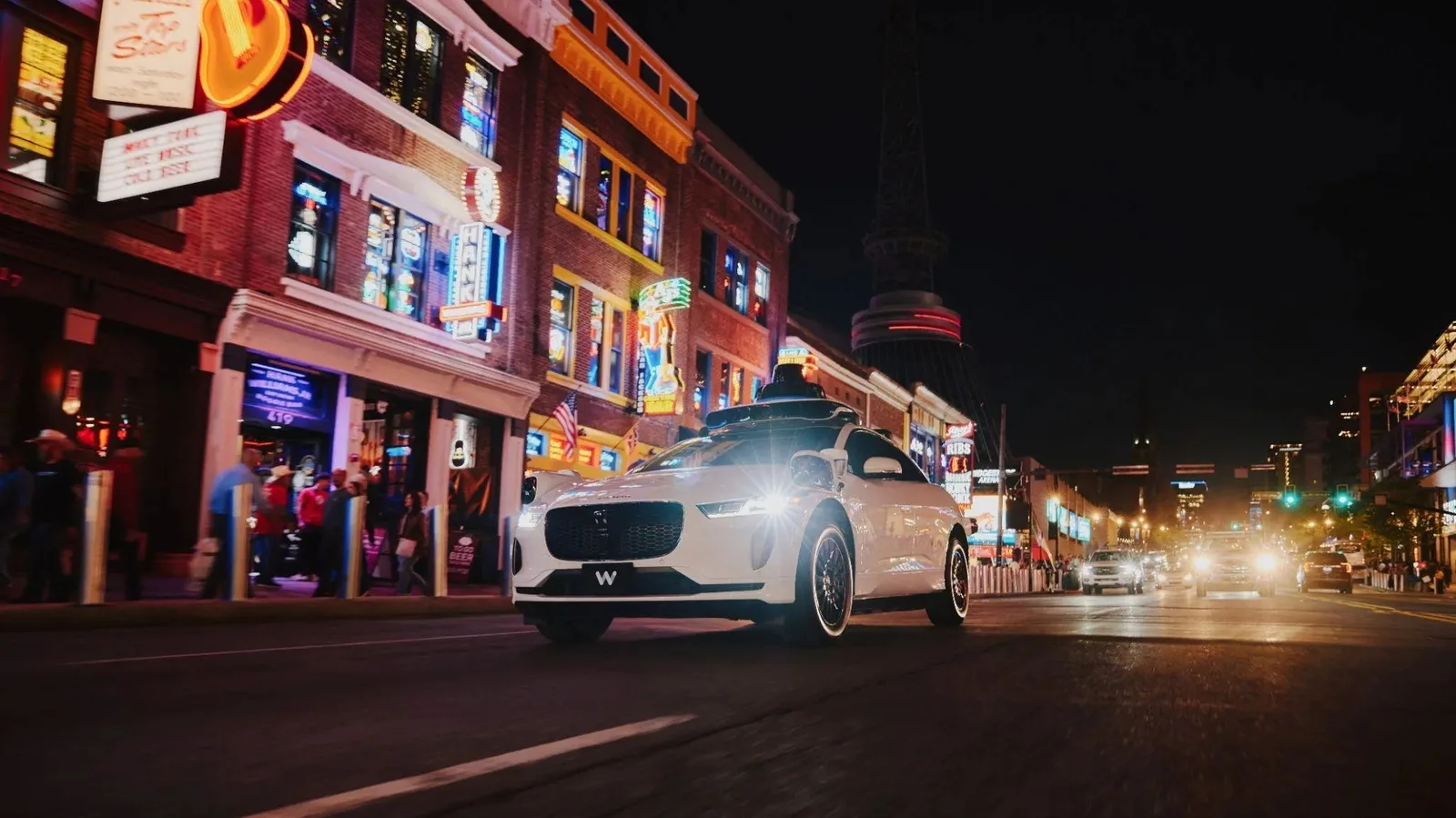
Transportation platform Lyft has begun offering rides in driverless Waymo vehicles in Nashville, US. Users placing a regular ride request may automatically be sent one of these vehicles. Nashville is the first market where Waymo vehicles are available in both the company’s own app and the Lyft app. Waymo launched its service in the city through its own app in April 2025.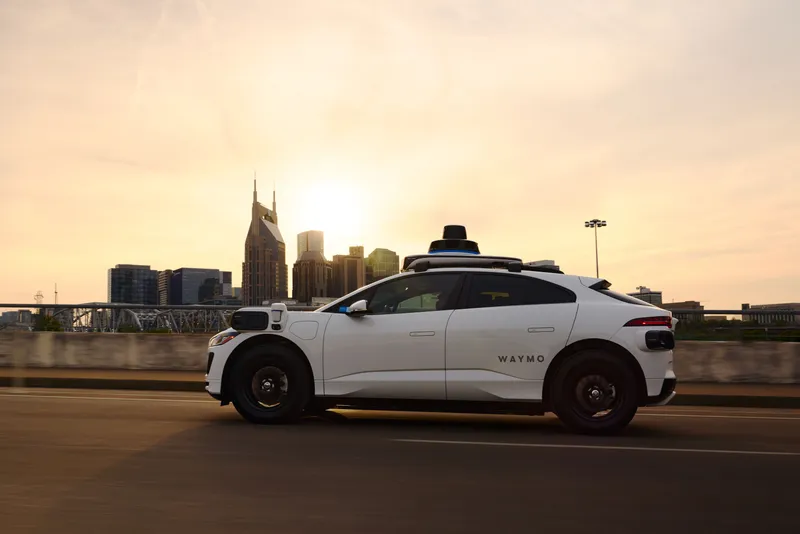 The ride must be requested using one of the “Standard,” “Priority Pickup,” “Wait & Save,” or “Extra Comfort” options. The ride must begin and end within the central service area. This area includes Downtown/Broadway, North Nashville/Germantown, East Nashville, Midtown, and South Nashville. Rides to other parts of the city are not yet eligible for this service. There is no additional charge for a fully driverless vehicle. Passengers can opt out of the robotaxi option entirely or decline a Waymo vehicle assigned to a specific ride request. Lyft says it will increase the number of vehicles in the city over the coming weeks. The company believes that adding more vehicles could increase supply and lower prices. The partnership was announced in September 2024. Since then, Waymo has conducted tests on the streets of Nashville. In February 2025, the company received permission to operate the vehicles without a human behind the wheel. This is the largest driverless vehicle partnership Lyft has established to date. Waymo currently operates in 14 urban areas in the US. Lyft expects a mixed model to emerge in which human drivers and robotaxis operate alongside each other for a long time. Vehicles are cleaned and maintained at a temporary Flexdrive depot in Nashville. They are then sent to areas with high passenger demand. Half of the depot’s 72 employees are former Lyft drivers. A permanent 80,000-square-foot depot is scheduled to open in October 2025.
 Former drivers account for 35% of Flexdrive’s workforce across 30 US cities. Lyft intends to continue hiring them for vehicle maintenance and fleet management roles. However, these new positions are not expected to replace all the jobs that may be lost in the driving sector. Lyft bases its position on data from the San Francisco market, where it does not offer a driverless service. The company believes robotaxis will not reduce the number of ride requests assigned to human drivers. This disparity is also evident in plans for Washington. Waymo has said it would create hundreds of jobs if it launched service there. Meanwhile, the city has approximately 3,200 taxi and app-based drivers. Some of them are believed to work part time. The company has proposed allocating part of its revenue to a fund for vocational training and helping drivers transition to other jobs. Lyft also plans to work with other robotaxi companies in the future.
The ride must be requested using one of the “Standard,” “Priority Pickup,” “Wait & Save,” or “Extra Comfort” options. The ride must begin and end within the central service area. This area includes Downtown/Broadway, North Nashville/Germantown, East Nashville, Midtown, and South Nashville. Rides to other parts of the city are not yet eligible for this service. There is no additional charge for a fully driverless vehicle. Passengers can opt out of the robotaxi option entirely or decline a Waymo vehicle assigned to a specific ride request. Lyft says it will increase the number of vehicles in the city over the coming weeks. The company believes that adding more vehicles could increase supply and lower prices. The partnership was announced in September 2024. Since then, Waymo has conducted tests on the streets of Nashville. In February 2025, the company received permission to operate the vehicles without a human behind the wheel. This is the largest driverless vehicle partnership Lyft has established to date. Waymo currently operates in 14 urban areas in the US. Lyft expects a mixed model to emerge in which human drivers and robotaxis operate alongside each other for a long time. Vehicles are cleaned and maintained at a temporary Flexdrive depot in Nashville. They are then sent to areas with high passenger demand. Half of the depot’s 72 employees are former Lyft drivers. A permanent 80,000-square-foot depot is scheduled to open in October 2025. Former drivers account for 35% of Flexdrive’s workforce across 30 US cities. Lyft intends to continue hiring them for vehicle maintenance and fleet management roles. However, these new positions are not expected to replace all the jobs that may be lost in the driving sector. Lyft bases its position on data from the San Francisco market, where it does not offer a driverless service. The company believes robotaxis will not reduce the number of ride requests assigned to human drivers. This disparity is also evident in plans for Washington. Waymo has said it would create hundreds of jobs if it launched service there. Meanwhile, the city has approximately 3,200 taxi and app-based drivers. Some of them are believed to work part time. The company has proposed allocating part of its revenue to a fund for vocational training and helping drivers transition to other jobs. Lyft also plans to work with other robotaxi companies in the future.