
19:35Machine-translated from Azerbaijani by AIRead in Azerbaijani
Malaysia to Require Data Centers to Report AI Chips and Energy Use
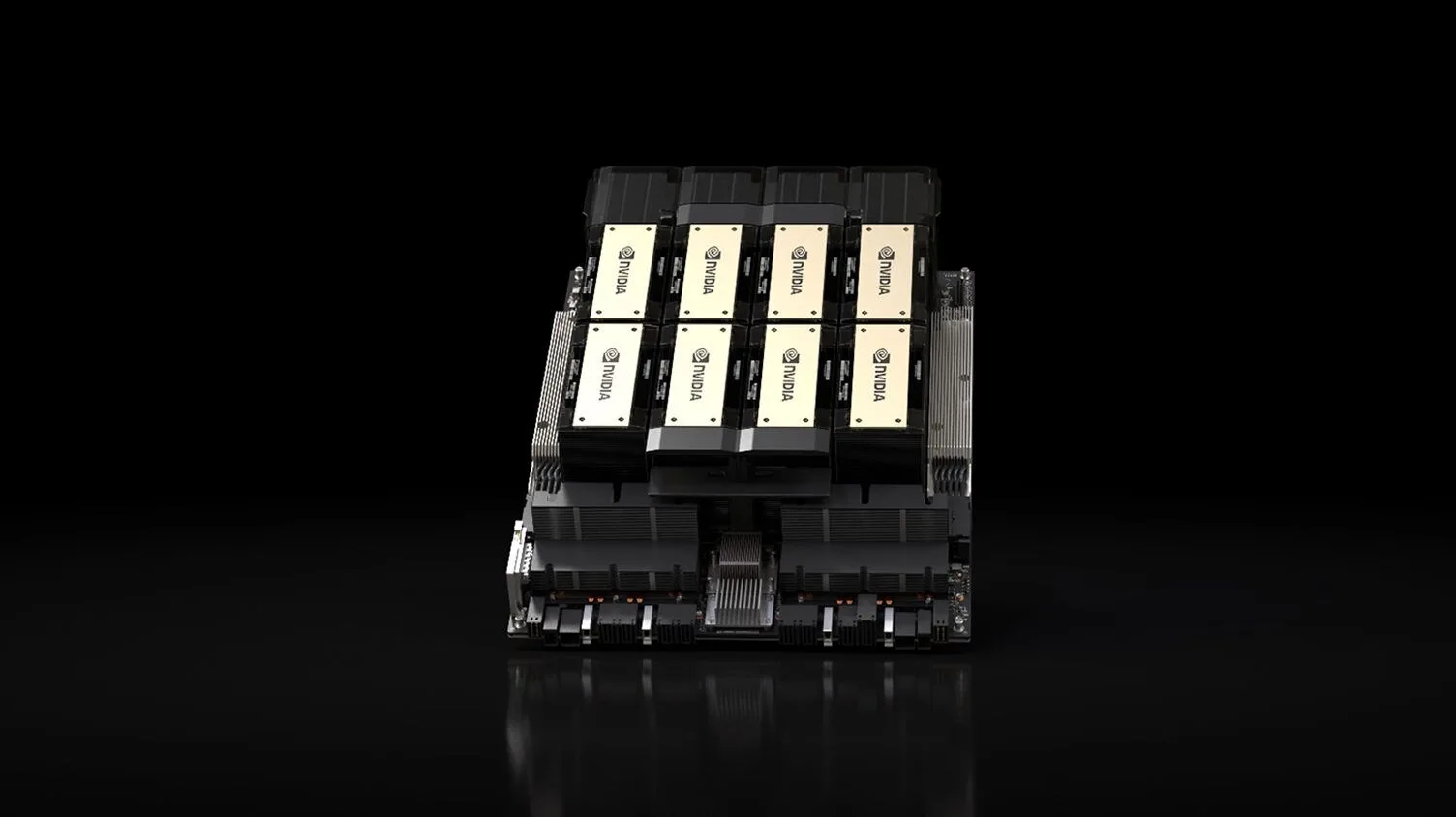
Malaysia is preparing a new law for data centers. Operators will be required to provide information on imports of accelerator chips used in artificial intelligence systems and their energy consumption. The goal is to prevent equipment subject to sales restrictions from being sent to countries such as China and to use the power grid more efficiently. Some companies have been found to legally import GPUs, or graphics processing units, into Malaysia and later ship them abroad.
Under the law, operators must disclose the number of imported GPUs and their expected energy consumption. Information will also be required about facility addresses, operators and major cloud service customers. Government oversight will not end with project approval. Data centers will be monitored throughout their entire period of operation, and artificial intelligence chips brought into the country must also be used in Malaysia. The authorities are prepared to share information with the US about the facilities where specific GPUs are located.
Operators will pay for all the electricity capacity allocated to them in advance, even if they do not use it in full. For example, a data center allocated 100 MW of capacity but using only 50 MW will also pay for the remaining 50 MW. This rule should reduce the practice of companies reserving capacity in advance that they will not need for 1 to 3 years. A discrepancy between the number of imported GPUs and actual energy consumption could reveal suspicious cases.
However, energy consumption alone cannot determine precisely how many GPUs are operating at a facility. The stated energy consumption is 700 W for Nvidia's H100 and H200 models and 1,000 W for the B200. However, these figures vary during actual operation. Server processors, memory, data storage devices, networking equipment and cooling systems also consume electricity. Therefore, an accurate inspection may require counting the equipment on-site and tracking each chip individually. It has not yet been announced whether the law will require model and serial numbers or whether on-site inspections will be conducted.
Malaysia has become one of the countries attracting the most data center investment in Southeast Asia. The country has so far approved 117 data center projects, 55 of which are already operational. As cloud service and artificial intelligence infrastructure companies grow, the scope of oversight is also expanding. Although a large number of facilities increases legal equipment imports, it may also make it easier to conceal the shipment of restricted chips to other countries.