
12:53Machine-translated from Azerbaijani by AIRead in Azerbaijani
Massachusetts court orders disclosure of license plate reader camera locations
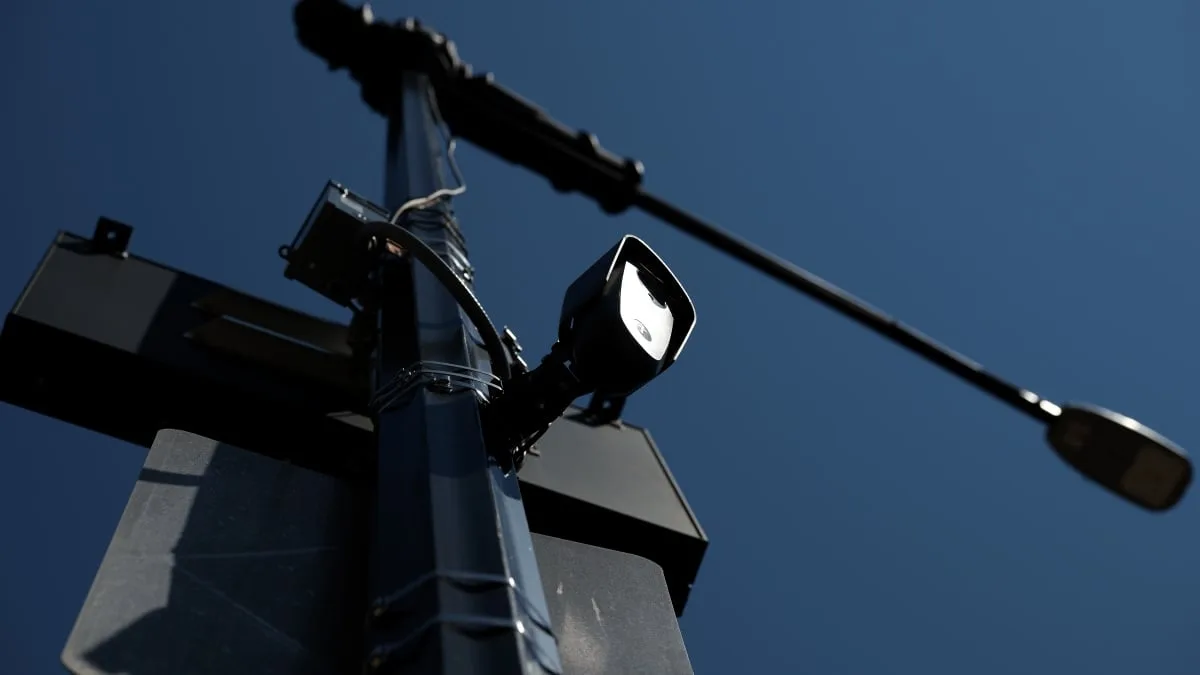
A Massachusetts state court judge has ruled that police cannot conceal from the public where automatic license plate reader (ALPR) systems are located. The court ordered the immediate disclosure of records related to these systems. The ruling comes amid growing privacy controversies involving AI-powered “Flock” cameras. The ruling brings an end to a 3-year legal dispute between the ACLU of Massachusetts and the Massachusetts State Police. The organization sued the police in 2023. The lawsuit sought the disclosure of documents showing where the cameras had been installed and how police agencies used the data collected about drivers. When the lawsuit was filed, the state possessed approximately 290 million records collected to track vehicle movements. The police attempted to justify why the data and camera locations should not be disclosed. The judge found those reasons insufficient and ordered the immediate release of the ALPR records to the public. ALPR cameras automatically read the license plates of passing vehicles. The system stores where and when a vehicle was recorded in a database. Artificial intelligence helps analyze this information more quickly. Privacy advocates are concerned that such an extensive network could be used to track people’s movements over long periods. The rapid spread of “Flock” cameras has prompted protests in various U.S. cities and states. Some communities have tried to expose the locations of the devices and disable them. At the same time, politicians from the 2 major U.S. parties are supporting bills that would restrict law enforcement agencies’ use of these systems. Missouri Senator Josh Hawley announced last month that he was leading an investigation into “Flock.” Some states are tightening data collection rules and halting the allocation of public funds to this private technology company. The Massachusetts ruling also requires the state police to be more transparent about how the statewide ALPR network operates.