
21:38Machine-translated from Azerbaijani by AIRead in Azerbaijani
Meta Develops CRAM Memory Model Up to 452 Times Faster Than ZRAM in Read Operations
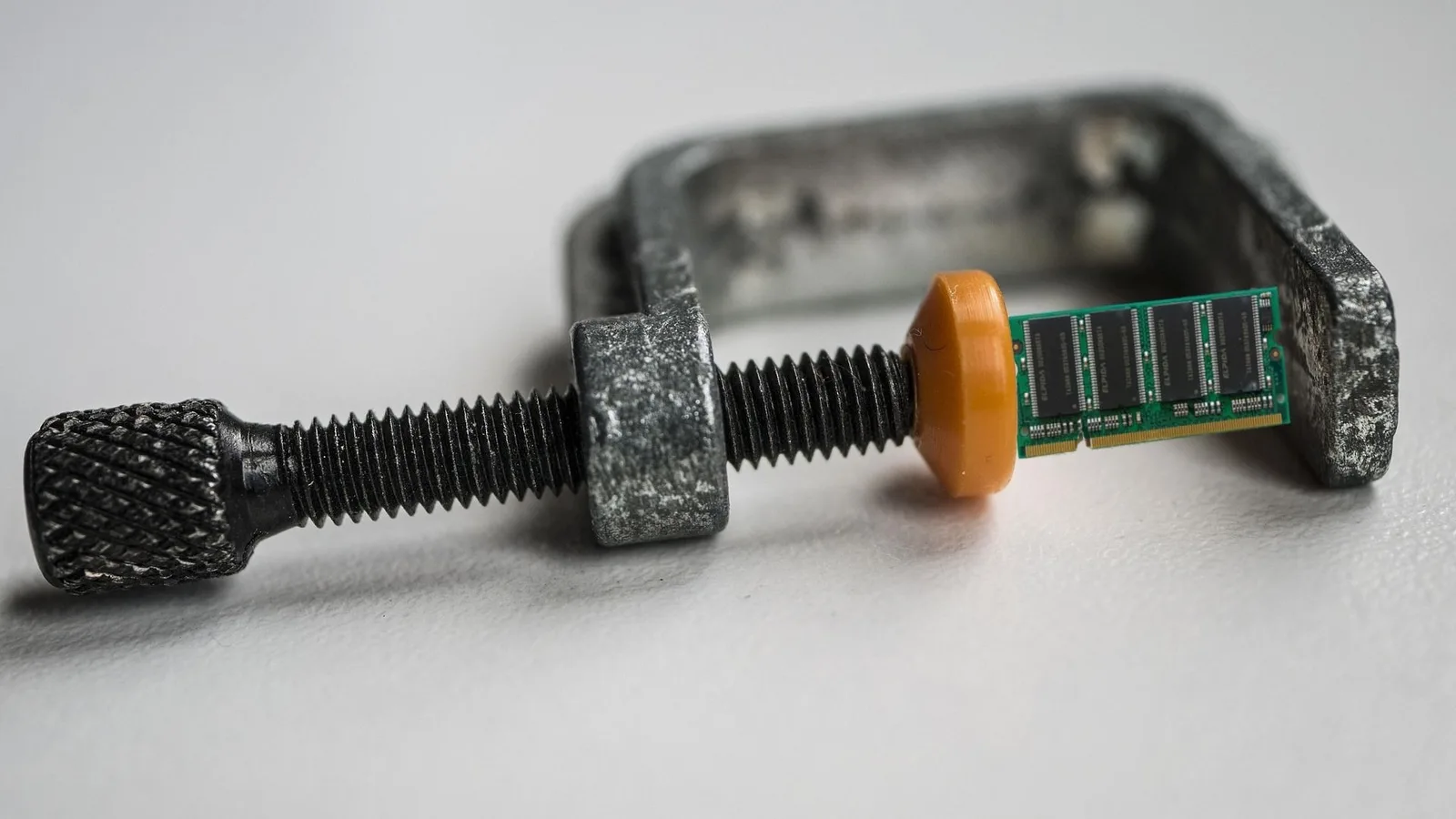
The CRAM memory compression model developed at Meta by Gregory Price and his team promises to run up to 452 times faster than ZRAM on Linux systems. The technology does not send compressed data to temporary disk space, but stores it directly in RAM. ZRAM and zswap, meanwhile, manage memory through a temporary memory layer called swap. CRAM is still in the research and development stage. According to the team, data compression is not the main cause of system slowdowns. The loss of speed is more closely related to faults that occur during memory access and to swap operations. CRAM operates not as a block device in the system, but as a special NUMA node treated as a separate memory area. This allows Linux to move memory blocks and change the amount of allocated memory. The compressed data also remains in RAM. In read-only mode, CRAM provides direct access to the smallest portions of compressed data. Decompression is accelerated at the hardware level. Even in the weakest test, the system performed 489 million operations per second. ZRAM reached 1.1 million operations per second in the same test. As a result, CRAM was up to 452 times faster in read-only mode and approached DRAM speeds.
 When write operations were added, the gap narrowed, but CRAM remained ahead. In the weakest test, in which writes accounted for 20% of operations, the model ran 5.4 times faster than ZRAM. Compressed data cannot be modified directly because doing so could corrupt it. Memory blocks are therefore decompressed first and then moved to the original NUMA area. The project also includes a protection mechanism called Chicken Bit. During memory allocation, this feature briefly suspends access to CRAM and prevents consecutive faults. However, because the compression ratio varies, it is not yet possible to calculate precisely how much usable RAM remains in the system. The technology is being developed for large servers and could also work on devices such as Steam Deck in the future. It is not known when it will be added to the Linux kernel.
According to the team, data compression is not the main cause of system slowdowns. The loss of speed is more closely related to faults that occur during memory access and to swap operations. CRAM operates not as a block device in the system, but as a special NUMA node treated as a separate memory area. This allows Linux to move memory blocks and change the amount of allocated memory. The compressed data also remains in RAM. In read-only mode, CRAM provides direct access to the smallest portions of compressed data. Decompression is accelerated at the hardware level. Even in the weakest test, the system performed 489 million operations per second. ZRAM reached 1.1 million operations per second in the same test. As a result, CRAM was up to 452 times faster in read-only mode and approached DRAM speeds. When write operations were added, the gap narrowed, but CRAM remained ahead. In the weakest test, in which writes accounted for 20% of operations, the model ran 5.4 times faster than ZRAM. Compressed data cannot be modified directly because doing so could corrupt it. Memory blocks are therefore decompressed first and then moved to the original NUMA area. The project also includes a protection mechanism called Chicken Bit. During memory allocation, this feature briefly suspends access to CRAM and prevents consecutive faults. However, because the compression ratio varies, it is not yet possible to calculate precisely how much usable RAM remains in the system. The technology is being developed for large servers and could also work on devices such as Steam Deck in the future. It is not known when it will be added to the Linux kernel.