
10:18Machine-translated from Azerbaijani by AIRead in Azerbaijani
Meta Launches Muse AI Agent That Can Also Shop for Users
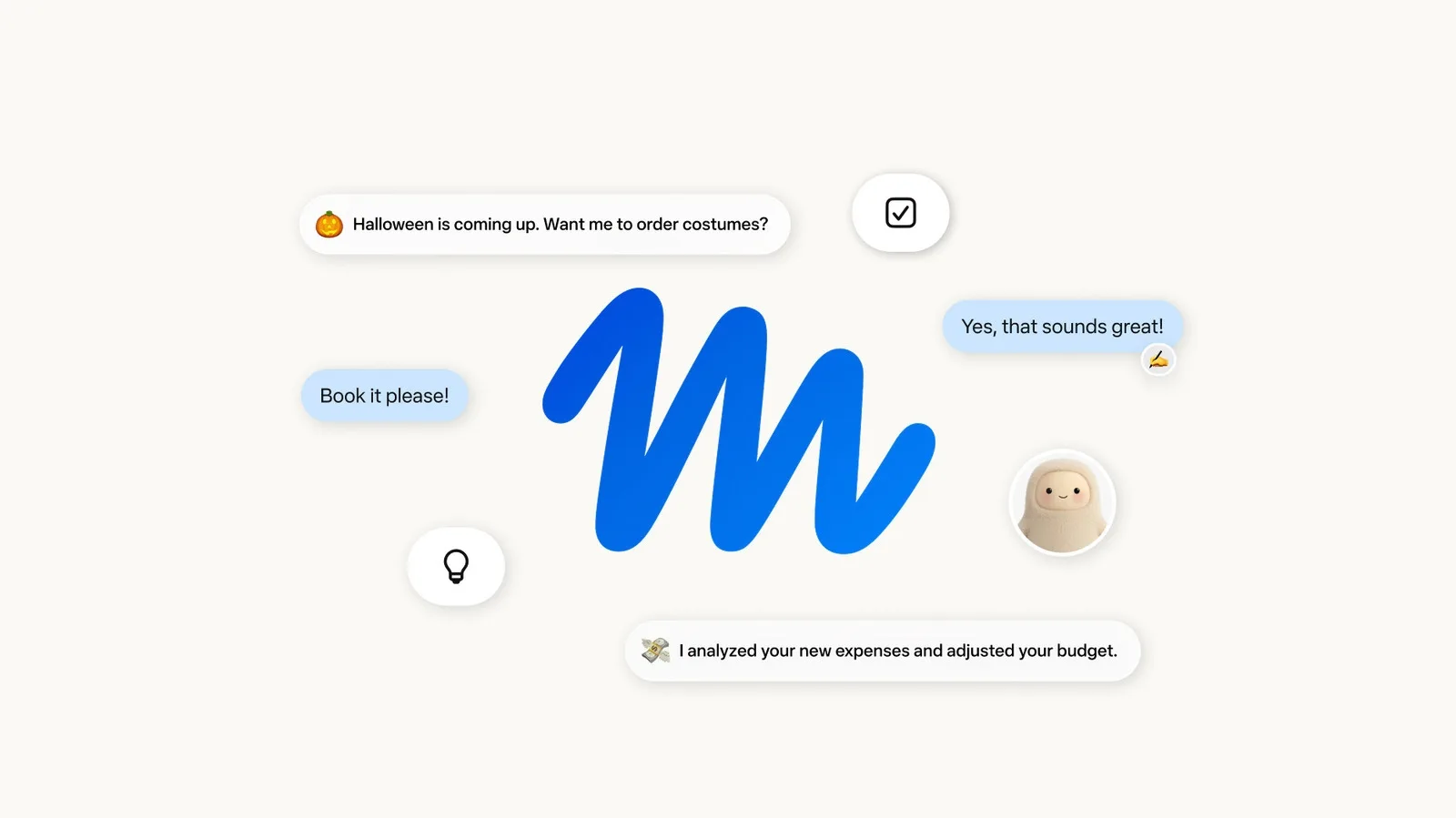
Meta has released its first artificial intelligence agent for users, called Muse. The program, which performs tasks on a user’s behalf, can search the internet, shop, fill out forms, plan trips and send emails. Muse adds events to calendars and can also create its own software tools for tasks involving several steps. According to the company, no technical knowledge is required to use the agent. Muse is a separate service and is not part of the Meta AI app. The agent has iOS and Android apps as well as a web version. A Facebook or Instagram account is not required to sign up, but users must have a Meta account. After signing in for the first time, users can name the agent, change its avatar and prevent conversations from being used to train artificial intelligence models. In the permissions section, users can choose which actions will require their approval. Under the default settings, only certain operations that require access to the internet and other services must be approved. According to Meta, the agent can operate independently when the risk is low. However, because Muse can make mistakes, it is safer at first to choose the setting that requires separate approval for every action. The connections section allows users to link the agent to services such as Google, Spotify and OpenTable. Those who want to protect their primary inbox can create a separate Gmail account for Muse. Meta says it can also connect to services with open APIs. An API is a connection that helps programs exchange data with one another. For example, Muse can explain how to manually set up a connection to a Notion account. Muse can also shop on a user’s behalf. To do so, a bank card must be added in the wallet section. The payment system operates through Stripe, and the agent does not see the card’s full number. The user must be asked for approval before an order is completed. Nevertheless, Meta warns that the agent may perform unexpected actions and advises users to monitor it carefully. Muse can also organize posts saved on Facebook and Instagram. For example, it groups recipes by ingredients and preparation steps and adds links to the original posts. Restaurant notes can also be sorted by city. When planning a trip, it finds direct flights, tracks prices and shows the order in which cities should be visited. As usage increases, it learns users’ interests and displays more relevant tasks in the ideas section. The agent may interpret even a simple request incorrectly or in an unexpected way. Although Meta says it has implemented several safety measures, it is important to check orders, emails and information added to calendars. It is safer to monitor Muse’s actions when it works on a user’s behalf and to choose more limited permissions at first.