
21:18Machine-translated from Azerbaijani by AIRead in Azerbaijani
Meta unveils 2 new Muse AI models for coding

Meta has unveiled 2 new artificial intelligence models called “Muse Wonder” and “Muse Wonder Full.” Both models, which help users write code, are available to Muse Code subscribers. The Muse Wonder model is also available to developers through the Meta Model API. The company plans to run the Muse agent on this model in the future but has not announced a date.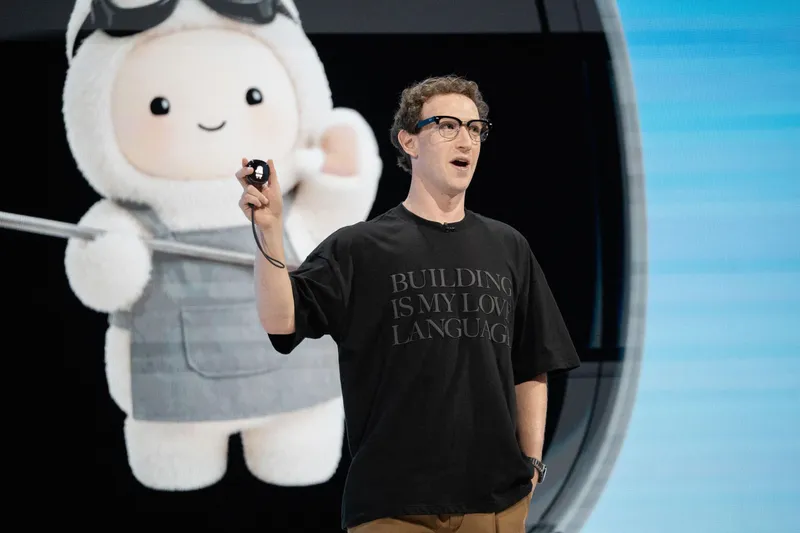 According to Meta’s internal tests, the models can compete with solutions from OpenAI and Anthropic. In the Artificial Analysis Intelligence Index results, the largest Muse Wonder model surpassed Claude Fable 5.1 but fell slightly behind Claude Opus 5.5. The model also outperformed GPT-6 Astra in some tests involving legal documents and software development. The results of its comparison with Gemini 4 Argon are not yet clear. Moreover, test results do not guarantee that the model will deliver the same performance in everyday use. The Active Memory and Active Focus features were developed to prevent agents from losing sight of their objectives. They help retain the primary goal and reduce confusion during long-running tasks. According to Meta, the model was specifically designed to refuse dangerous responses, such as instructions for biological weapons and cyber intrusions. However, the company did not disclose how often the agent misbehaved during testing. Mark Zuckerberg wrote on X last month that the release had been delayed to allow additional work on safety. Meta restructured its artificial intelligence operations last year and invested billions of dollars in its Meta Superintelligence Labs division. The division is led by former Scale AI CEO Alexandr Wang. The new lab’s first model, Muse Spark, was released in April. It was followed by the Muse Image image model and the small Muse Glimmer, which can run directly on a device. However, Meta has not disclosed how the Muse Wonder models were developed and trained.
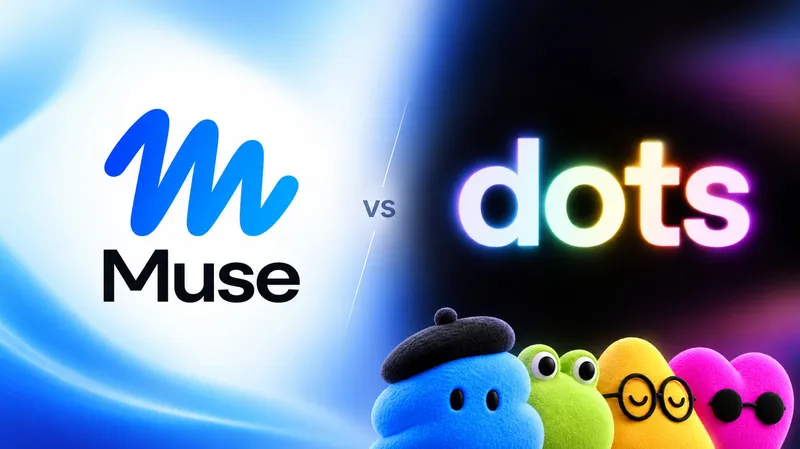
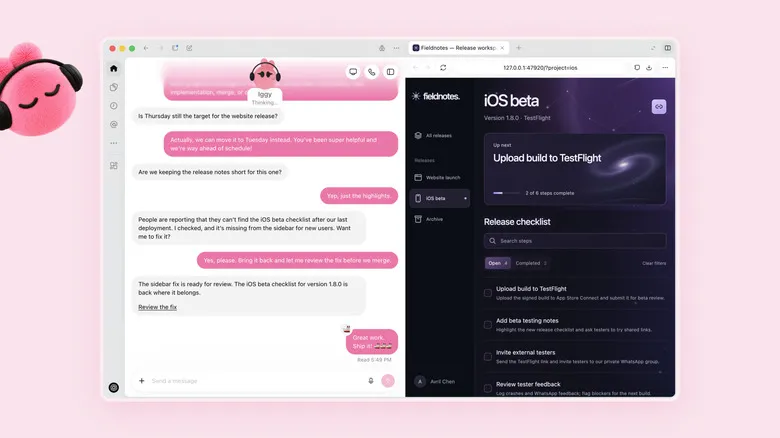
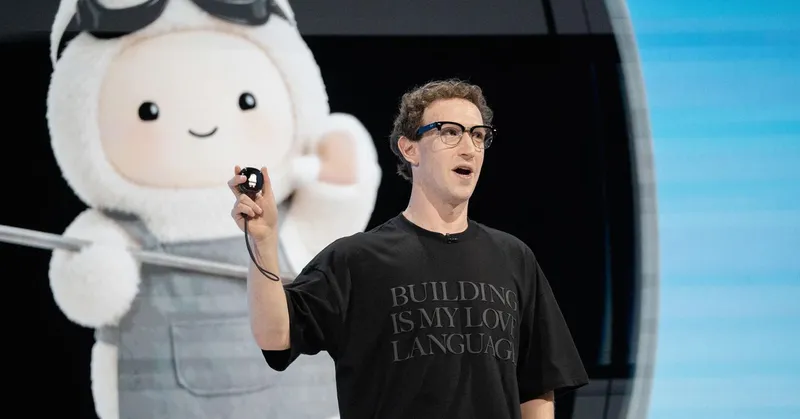 Meta launched the Muse agent on September 8. OpenAI unveiled the always-running Dot agents within ChatGPT 3 weeks later. Both agents can continue working on a task on a cloud computer after the user leaves and can connect to external services. Muse handles tasks such as shopping, filling out forms, planning trips, managing emails and tracking prices. The agent uses a separate secure virtual computer and browser and works through the app, the web and WhatsApp. Dot, meanwhile, conducts research using GPT-6 Astra and works in connected apps. When granted permission, it can also retrieve files from the local computer.
 According to Meta, Muse asks the user for permission before taking sensitive actions such as sending emails and making purchases. OpenAI also restricts Dot’s actions through permissions, specific rules and automated checks. Amazon has already blocked the Muse agent from making purchases on its website. Meta says the data collected by the agent is not shared for advertising. However, the option to use the data to train the model is enabled by default. The use of personal Dot data for training depends on the user’s ChatGPT settings. Business data is not included in model training by default.
 Muse is available only in the US and Canada. Dot is available to individual Pro users outside the European Economic Area, Switzerland and the UK. Availability is broader for business users, while the enterprise version is still in beta. Muse has a free usage limit, as well as a Power plan costing $20 per month (approximately 34 manats). The Maximum plan costs $100 per month (approximately 170 manats). The least expensive individual option for Dot is the Pro 100 plan, which costs $100 per month. Business Premium costs $100 per month when billed annually. With monthly billing, the price is $125 (approximately 210 manats).
According to Meta’s internal tests, the models can compete with solutions from OpenAI and Anthropic. In the Artificial Analysis Intelligence Index results, the largest Muse Wonder model surpassed Claude Fable 5.1 but fell slightly behind Claude Opus 5.5. The model also outperformed GPT-6 Astra in some tests involving legal documents and software development. The results of its comparison with Gemini 4 Argon are not yet clear. Moreover, test results do not guarantee that the model will deliver the same performance in everyday use. The Active Memory and Active Focus features were developed to prevent agents from losing sight of their objectives. They help retain the primary goal and reduce confusion during long-running tasks. According to Meta, the model was specifically designed to refuse dangerous responses, such as instructions for biological weapons and cyber intrusions. However, the company did not disclose how often the agent misbehaved during testing. Mark Zuckerberg wrote on X last month that the release had been delayed to allow additional work on safety. Meta restructured its artificial intelligence operations last year and invested billions of dollars in its Meta Superintelligence Labs division. The division is led by former Scale AI CEO Alexandr Wang. The new lab’s first model, Muse Spark, was released in April. It was followed by the Muse Image image model and the small Muse Glimmer, which can run directly on a device. However, Meta has not disclosed how the Muse Wonder models were developed and trained. Meta launched the Muse agent on September 8. OpenAI unveiled the always-running Dot agents within ChatGPT 3 weeks later. Both agents can continue working on a task on a cloud computer after the user leaves and can connect to external services. Muse handles tasks such as shopping, filling out forms, planning trips, managing emails and tracking prices. The agent uses a separate secure virtual computer and browser and works through the app, the web and WhatsApp. Dot, meanwhile, conducts research using GPT-6 Astra and works in connected apps. When granted permission, it can also retrieve files from the local computer. According to Meta, Muse asks the user for permission before taking sensitive actions such as sending emails and making purchases. OpenAI also restricts Dot’s actions through permissions, specific rules and automated checks. Amazon has already blocked the Muse agent from making purchases on its website. Meta says the data collected by the agent is not shared for advertising. However, the option to use the data to train the model is enabled by default. The use of personal Dot data for training depends on the user’s ChatGPT settings. Business data is not included in model training by default. Muse is available only in the US and Canada. Dot is available to individual Pro users outside the European Economic Area, Switzerland and the UK. Availability is broader for business users, while the enterprise version is still in beta. Muse has a free usage limit, as well as a Power plan costing $20 per month (approximately 34 manats). The Maximum plan costs $100 per month (approximately 170 manats). The least expensive individual option for Dot is the Pro 100 plan, which costs $100 per month. Business Premium costs $100 per month when billed annually. With monthly billing, the price is $125 (approximately 210 manats).