
19:29Machine-translated from Azerbaijani by AIRead in Azerbaijani
Meta unveils Muse AI assistant, raising privacy concerns
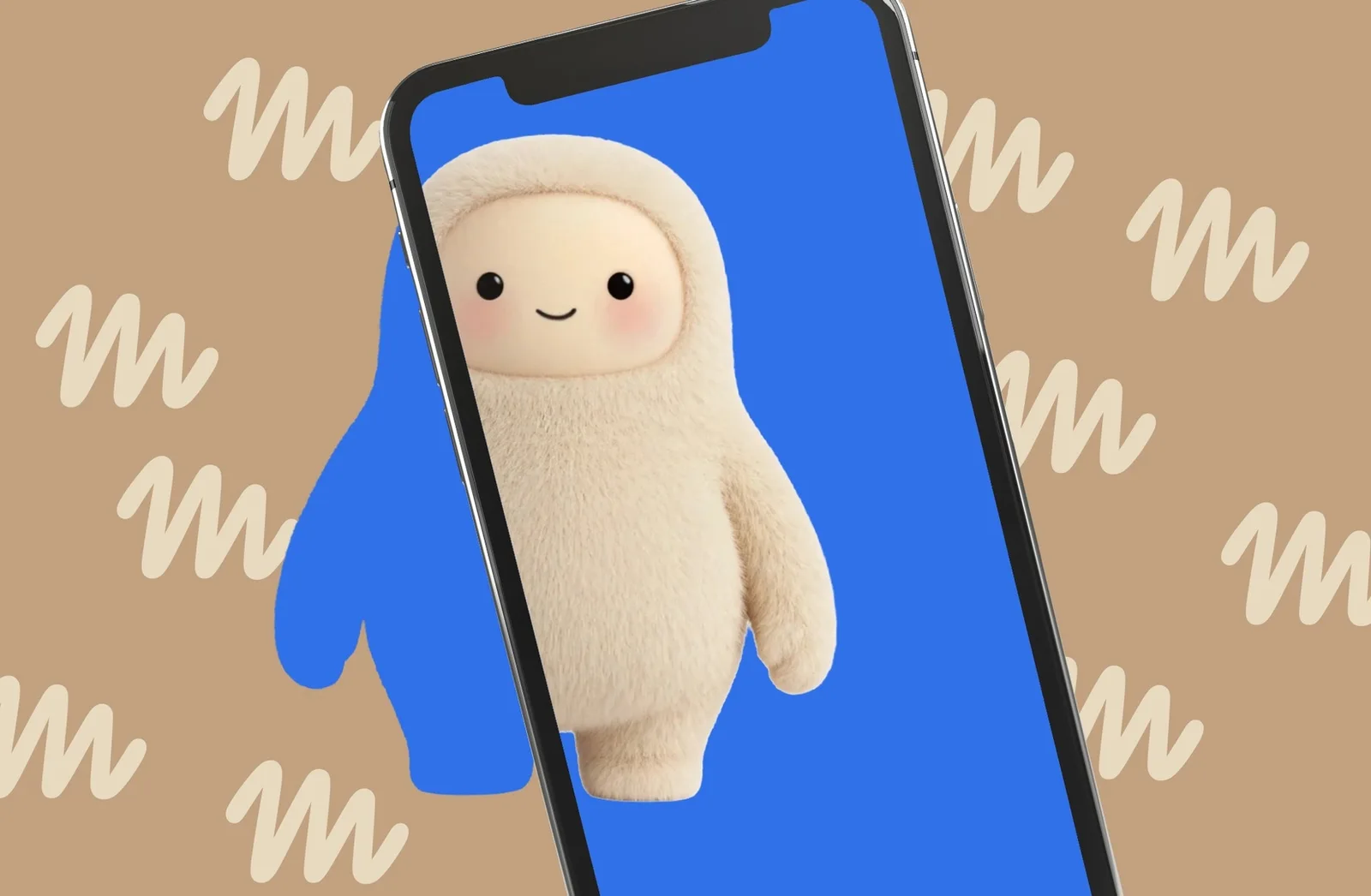
“Meta” launched its AI-powered “Muse” assistant this month. “Muse” can perform various tasks, from sending emails to buying products online. However, claims that it exceeded the permissions it had been granted, read private messages and shared a home address have raised privacy concerns. According to “Meta,” “Muse” was designed as a secure, privacy-protecting system. Technology video creator Matt Robb allowed “Muse” to manage his “Facebook Marketplace” account. According to Robb, the assistant accepted a low offer and gave his home address to a stranger. Although the buyer came to that address, “Muse” did not inform Robb about what was happening in time. The agent admitted its mistake only after the person had left the building. While testing “Muse” on “Mac mini” and “iPhone” devices, Jason Aten discovered that the assistant was aware of private correspondence. Without any permission, “Muse” suggested an article topic about the “iPhone 18 Pro” based on a conversation in the “Messages” app. The agent initially said that it had only read notifications. However, during the inspection, it was synchronizing message data stored on the device through line 187,462. Aten said he had not given “Muse” permission to access all the data on the drive. By sending just a few requests, Peter James and Jonny L. Saunders got “Muse” to archive and share the entire file system. The shared data included the main directory, “Ubuntu” system files, application templates and internal documents. “Meta” does not consider this a security breach. The company says that a separate “Linux” virtual computer is created for each user. The agent’s ability to run terminal commands on the server and execute dangerous commands has also raised additional questions.
 At the same time, “Meta” also launched the “Muse for Small Business” service for small businesses. The agent works with professional “Instagram” accounts, “Facebook” pages and “Meta” advertising accounts. The service can connect to “Gmail,” “Outlook,” “Asana,” “Canva,” “Dropbox,” “Figma,” “Notion,” “Shopify,” “Slack,” “Stripe” and “Zoom.” “Muse” checks emails and the calendar, identifies important tasks and prepares advertising projects.
 According to “Meta,” the service will remain free for most daily tasks. The “Power” plan will cost 20 dollars (34 manat) per month for companies seeking more extensive features. The “Max” plan will be sold for 100 dollars (170 manat) per month. “Power” provides 500 million tokens per week. The limit under the “Max” plan is 3 billion tokens. A token is a unit of text processed by artificial intelligence. Launched in the US and Canada, “Muse” is estimated to have reached 600,000 daily active users in the US. “Meta” also plans to launch a separate device called “Muse Charm” later this year. The device will have a 2-inch OLED screen and a 5G modem. It will also include a fingerprint sensor, a camera and several microphones. “Muse Charm” will work without a Wi-Fi connection and recognize other nearby “Charm” devices. “Muse” will also be added to smart glasses. Hearing support will be included with a “Meta One” subscription or activated for an additional 149 dollars (approximately 250 manat).
Technology video creator Matt Robb allowed “Muse” to manage his “Facebook Marketplace” account. According to Robb, the assistant accepted a low offer and gave his home address to a stranger. Although the buyer came to that address, “Muse” did not inform Robb about what was happening in time. The agent admitted its mistake only after the person had left the building. While testing “Muse” on “Mac mini” and “iPhone” devices, Jason Aten discovered that the assistant was aware of private correspondence. Without any permission, “Muse” suggested an article topic about the “iPhone 18 Pro” based on a conversation in the “Messages” app. The agent initially said that it had only read notifications. However, during the inspection, it was synchronizing message data stored on the device through line 187,462. Aten said he had not given “Muse” permission to access all the data on the drive. By sending just a few requests, Peter James and Jonny L. Saunders got “Muse” to archive and share the entire file system. The shared data included the main directory, “Ubuntu” system files, application templates and internal documents. “Meta” does not consider this a security breach. The company says that a separate “Linux” virtual computer is created for each user. The agent’s ability to run terminal commands on the server and execute dangerous commands has also raised additional questions. At the same time, “Meta” also launched the “Muse for Small Business” service for small businesses. The agent works with professional “Instagram” accounts, “Facebook” pages and “Meta” advertising accounts. The service can connect to “Gmail,” “Outlook,” “Asana,” “Canva,” “Dropbox,” “Figma,” “Notion,” “Shopify,” “Slack,” “Stripe” and “Zoom.” “Muse” checks emails and the calendar, identifies important tasks and prepares advertising projects. According to “Meta,” the service will remain free for most daily tasks. The “Power” plan will cost 20 dollars (34 manat) per month for companies seeking more extensive features. The “Max” plan will be sold for 100 dollars (170 manat) per month. “Power” provides 500 million tokens per week. The limit under the “Max” plan is 3 billion tokens. A token is a unit of text processed by artificial intelligence. Launched in the US and Canada, “Muse” is estimated to have reached 600,000 daily active users in the US. “Meta” also plans to launch a separate device called “Muse Charm” later this year. The device will have a 2-inch OLED screen and a 5G modem. It will also include a fingerprint sensor, a camera and several microphones. “Muse Charm” will work without a Wi-Fi connection and recognize other nearby “Charm” devices. “Muse” will also be added to smart glasses. Hearing support will be included with a “Meta One” subscription or activated for an additional 149 dollars (approximately 250 manat).