
12:46Machine-translated from Azerbaijani by AIRead in Azerbaijani
Micron Warns RAM Shortage Will Worsen, Prices Could Rise
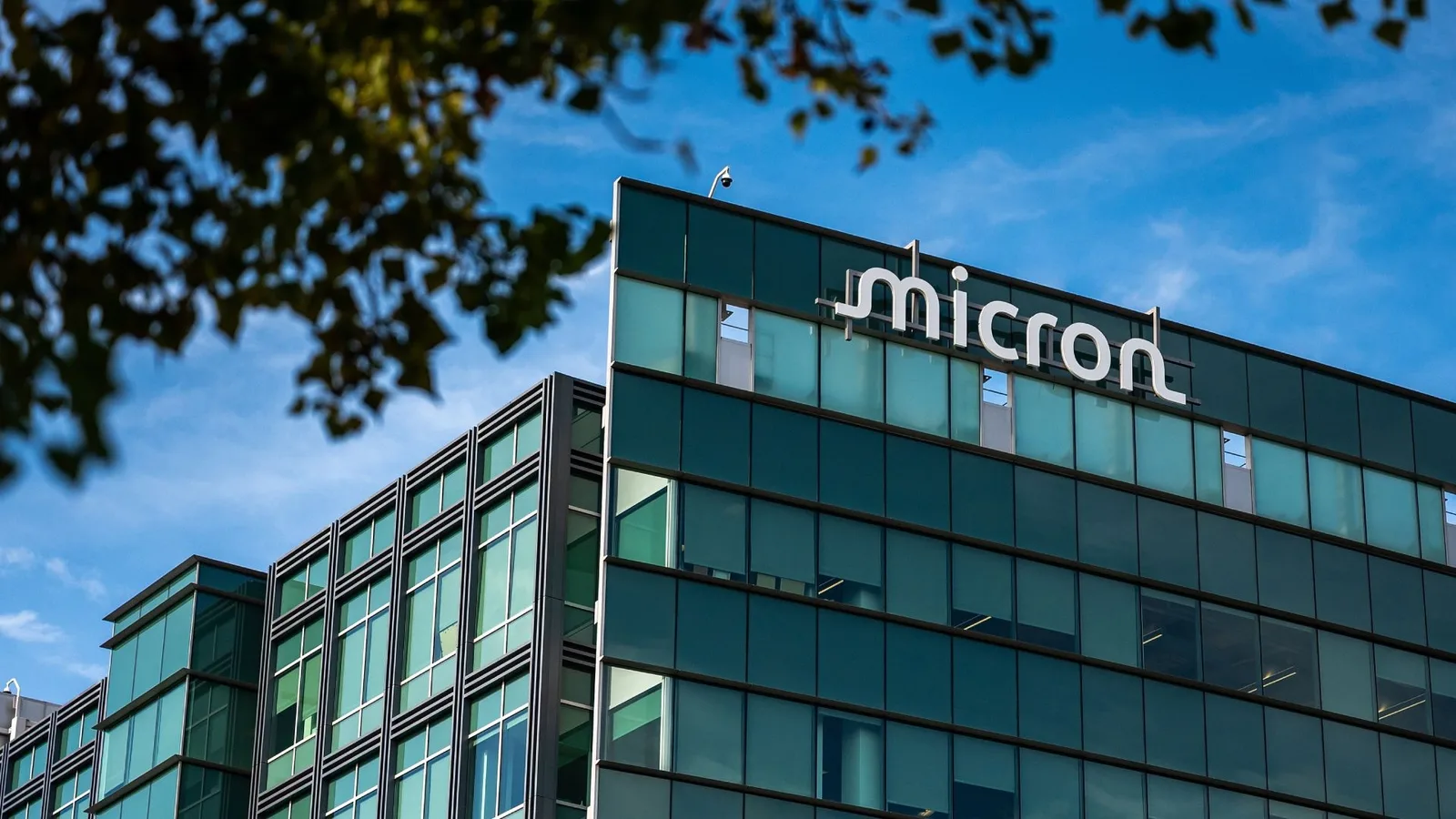
At its fiscal 2026 earnings call, Micron said the shortage of RAM and memory chips would worsen further. According to the company’s forecast, demand will exceed supply in 2027 and 2028. CEO Sanjay Mehrotra said that most of next year’s production capacity has already been sold. As a result, customers may pay more for memory chips than they did in 2026.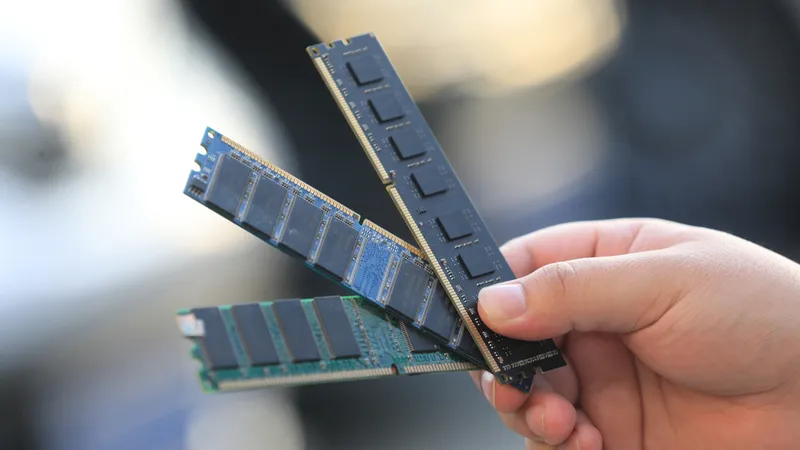 Micron is not yet able to predict when supply and demand will reach a balance. The company expects the volume of NAND storage and DRAM memory chips offered for sale to increase by approximately 20% to 25% annually over the next 2 years. However, this growth will not be enough to meet demand, and the chip shortage will continue. Supplies of high-speed HBM memory chips designed for artificial intelligence data centers will grow faster than supplies of standard DRAM chips. Although memory manufacturers are opening new factories, it will take several years for chip production to begin at those facilities. Meanwhile, Micron expects record revenue of $61.5 billion (approximately 104.6 billion manats) in the first fiscal quarter. Its gross profit margin is projected to be 86.25%. This indicates that gross profit could exceed $53 billion (approximately 90.1 billion manats).
 The company estimates that operating expenses will be approximately $2.06 billion (3.5 billion manats) and that the tax rate will be 15.5%. Based on approximately 1.15 billion shares, earnings per share are expected to reach $38.15 (approximately 65 manats). This figure could be $1 (approximately 2 manats) higher or lower. The main reason for the record financial results is the large investments being made in artificial intelligence data centers.
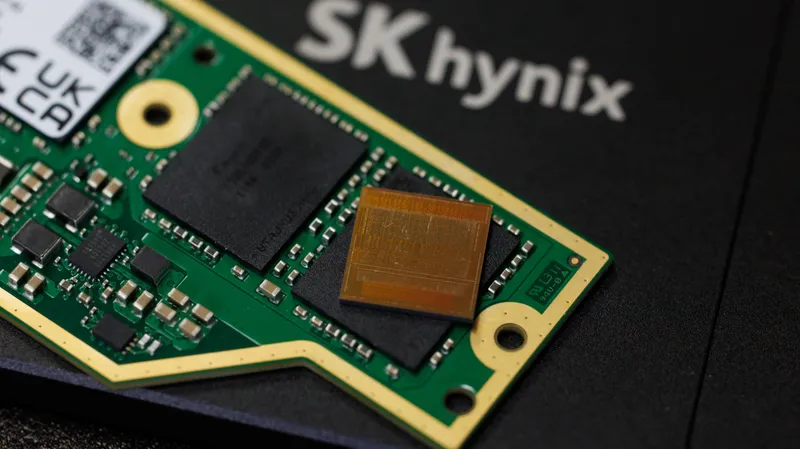
 High earnings have also increased employees’ demands. Samsung and SK hynix employees have received large bonuses. Micron employees in Taiwan are threatening to strike unless they receive a larger share. This situation, which benefits manufacturers, could result in ordinary consumers paying more for RAM and storage. Consequently, computers and other electronic devices could become more expensive. Micron’s forecast contradicts the Acer CEO’s view that computer prices will decline toward the end of 2027. Acer attributes this to Chinese-made RAM chips entering the market and consumers’ unwillingness to pay extra for expensive memory. How DRAM and NAND prices change in the future will therefore depend on the gap between production growth and demand in the artificial intelligence sector.
Micron is not yet able to predict when supply and demand will reach a balance. The company expects the volume of NAND storage and DRAM memory chips offered for sale to increase by approximately 20% to 25% annually over the next 2 years. However, this growth will not be enough to meet demand, and the chip shortage will continue. Supplies of high-speed HBM memory chips designed for artificial intelligence data centers will grow faster than supplies of standard DRAM chips. Although memory manufacturers are opening new factories, it will take several years for chip production to begin at those facilities. Meanwhile, Micron expects record revenue of $61.5 billion (approximately 104.6 billion manats) in the first fiscal quarter. Its gross profit margin is projected to be 86.25%. This indicates that gross profit could exceed $53 billion (approximately 90.1 billion manats). The company estimates that operating expenses will be approximately $2.06 billion (3.5 billion manats) and that the tax rate will be 15.5%. Based on approximately 1.15 billion shares, earnings per share are expected to reach $38.15 (approximately 65 manats). This figure could be $1 (approximately 2 manats) higher or lower. The main reason for the record financial results is the large investments being made in artificial intelligence data centers. High earnings have also increased employees’ demands. Samsung and SK hynix employees have received large bonuses. Micron employees in Taiwan are threatening to strike unless they receive a larger share. This situation, which benefits manufacturers, could result in ordinary consumers paying more for RAM and storage. Consequently, computers and other electronic devices could become more expensive. Micron’s forecast contradicts the Acer CEO’s view that computer prices will decline toward the end of 2027. Acer attributes this to Chinese-made RAM chips entering the market and consumers’ unwillingness to pay extra for expensive memory. How DRAM and NAND prices change in the future will therefore depend on the gap between production growth and demand in the artificial intelligence sector.