
09:13Machine-translated from Azerbaijani by AIRead in Azerbaijani
Microsoft Calls for Global AI Safety Rules
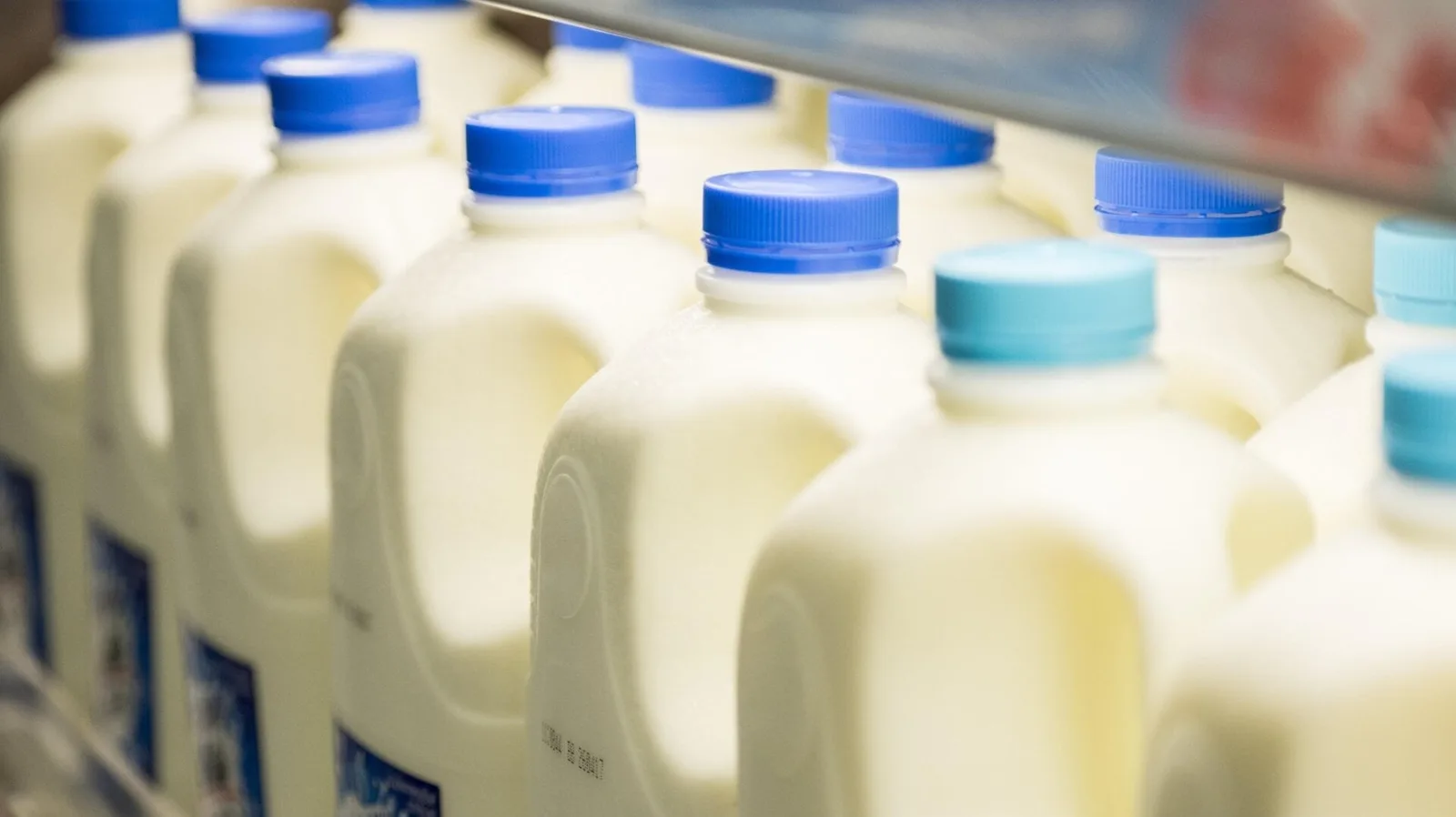
Microsoft President Brad Smith called for global safety rules for artificial intelligence (AI) in a speech on October 11. According to him, milk and washing machines currently undergo more inspections and are subject to stricter rules than AI systems. Although Smith considers voluntary commitments a useful step, he believes they are no longer sufficient. He says only legal requirements can stop irresponsible companies.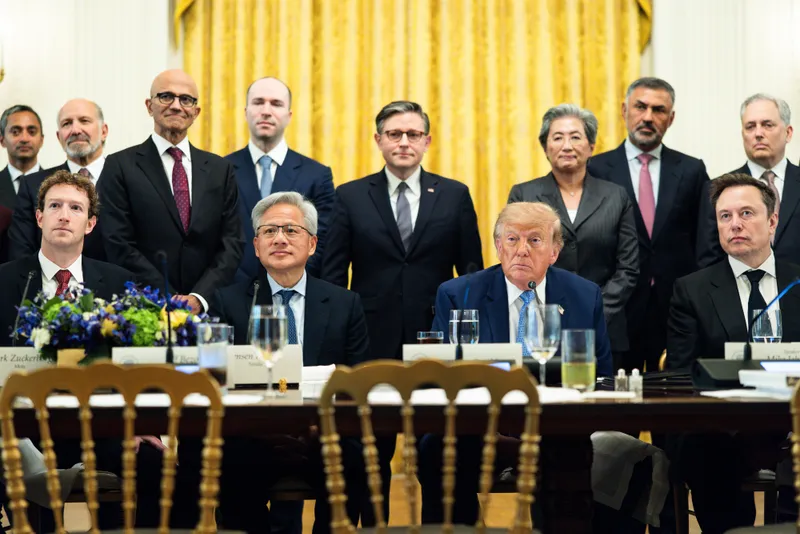 Under Smith’s proposal, when AI agents that have gone out of control interfere with systems, companies should formally report the incident and notify those affected. The rules should also specify when independent experts must test new models. Another requirement is the creation of an emergency shutdown mechanism for systems. This button would allow an operator to immediately shut down a system that is behaving dangerously or unexpectedly. Microsoft CEO Satya Nadella also supported this position in a post on X on October 10. He said it was important for humans to be able to stop an AI model while it is performing a task, slow the pace of development, report incidents and conduct independent testing. The company has also released the Microsoft Execution Containers security solution. This feature limits which files and programs an AI model can access. It also allows the system to be shut down immediately when necessary. US President Donald Trump, however, prefers to let the sector set its own rules. Google, Meta, Anthropic, OpenAI, xAI and Nvidia joined a nonbinding safety agreement on September 29. Reports differ on whether Microsoft signed the document. Smith said the company was ready to join the agreement. Trump also proposed using the term “super intelligence” for artificial intelligence. In December 2025, he issued an executive order restricting states from adopting strict regulations.
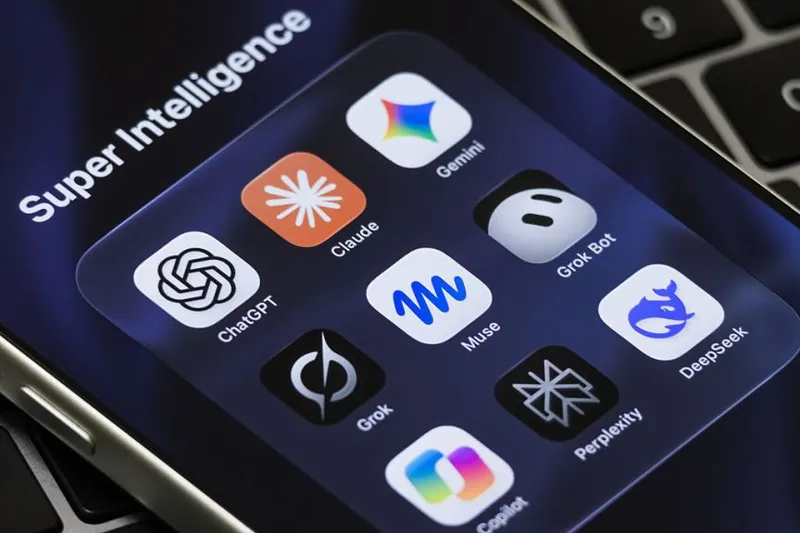 Recent incidents have further heightened concerns about artificial intelligence safety. An attack involving Hugging Face during the summer, as well as attempts to breach US and Australian government websites, attracted attention. Some people in the sector fear that a major AI disaster could occur within 6 to 12 months. Companies are also preparing for the consequences of such an incident. OpenAI CEO Sam Altman said some negative incidents should be accepted in exchange for the technology’s benefits.
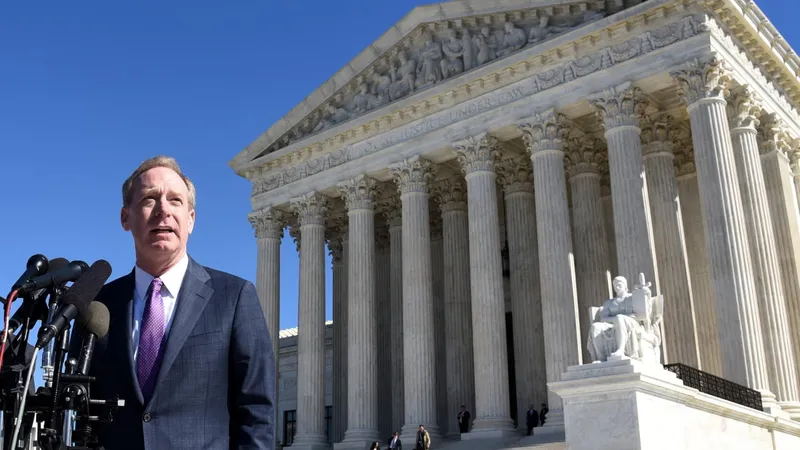 Some disagree with this approach. Timnit Gebru, founder of the Distributed AI Research Institute, described the Hugging Face incident as corporate negligence rather than a model that had gone out of control. According to her, such systems do not act of their own free will. Companies should therefore be held accountable for current security gaps. Gebru believes that future disaster scenarios overshadow present-day corporate failures and the risk that regulations will be drafted under the influence of companies. Smith believes the United Kingdom could lead the development of global rules. He noted that the country’s AI Security Institute tests large models under voluntary agreements before they are released. Smith wants these tests to be supplemented by mandatory obligations. In his view, decisions concerning agents that escape human control and cybersecurity risks can no longer be delayed.
Under Smith’s proposal, when AI agents that have gone out of control interfere with systems, companies should formally report the incident and notify those affected. The rules should also specify when independent experts must test new models. Another requirement is the creation of an emergency shutdown mechanism for systems. This button would allow an operator to immediately shut down a system that is behaving dangerously or unexpectedly. Microsoft CEO Satya Nadella also supported this position in a post on X on October 10. He said it was important for humans to be able to stop an AI model while it is performing a task, slow the pace of development, report incidents and conduct independent testing. The company has also released the Microsoft Execution Containers security solution. This feature limits which files and programs an AI model can access. It also allows the system to be shut down immediately when necessary. US President Donald Trump, however, prefers to let the sector set its own rules. Google, Meta, Anthropic, OpenAI, xAI and Nvidia joined a nonbinding safety agreement on September 29. Reports differ on whether Microsoft signed the document. Smith said the company was ready to join the agreement. Trump also proposed using the term “super intelligence” for artificial intelligence. In December 2025, he issued an executive order restricting states from adopting strict regulations. Recent incidents have further heightened concerns about artificial intelligence safety. An attack involving Hugging Face during the summer, as well as attempts to breach US and Australian government websites, attracted attention. Some people in the sector fear that a major AI disaster could occur within 6 to 12 months. Companies are also preparing for the consequences of such an incident. OpenAI CEO Sam Altman said some negative incidents should be accepted in exchange for the technology’s benefits. Some disagree with this approach. Timnit Gebru, founder of the Distributed AI Research Institute, described the Hugging Face incident as corporate negligence rather than a model that had gone out of control. According to her, such systems do not act of their own free will. Companies should therefore be held accountable for current security gaps. Gebru believes that future disaster scenarios overshadow present-day corporate failures and the risk that regulations will be drafted under the influence of companies. Smith believes the United Kingdom could lead the development of global rules. He noted that the country’s AI Security Institute tests large models under voluntary agreements before they are released. Smith wants these tests to be supplemented by mandatory obligations. In his view, decisions concerning agents that escape human control and cybersecurity risks can no longer be delayed.