
16:36Machine-translated from Azerbaijani by AIRead in Azerbaijani
MIT develops sensor skin that tracks movement with less than 0.5 cm of error
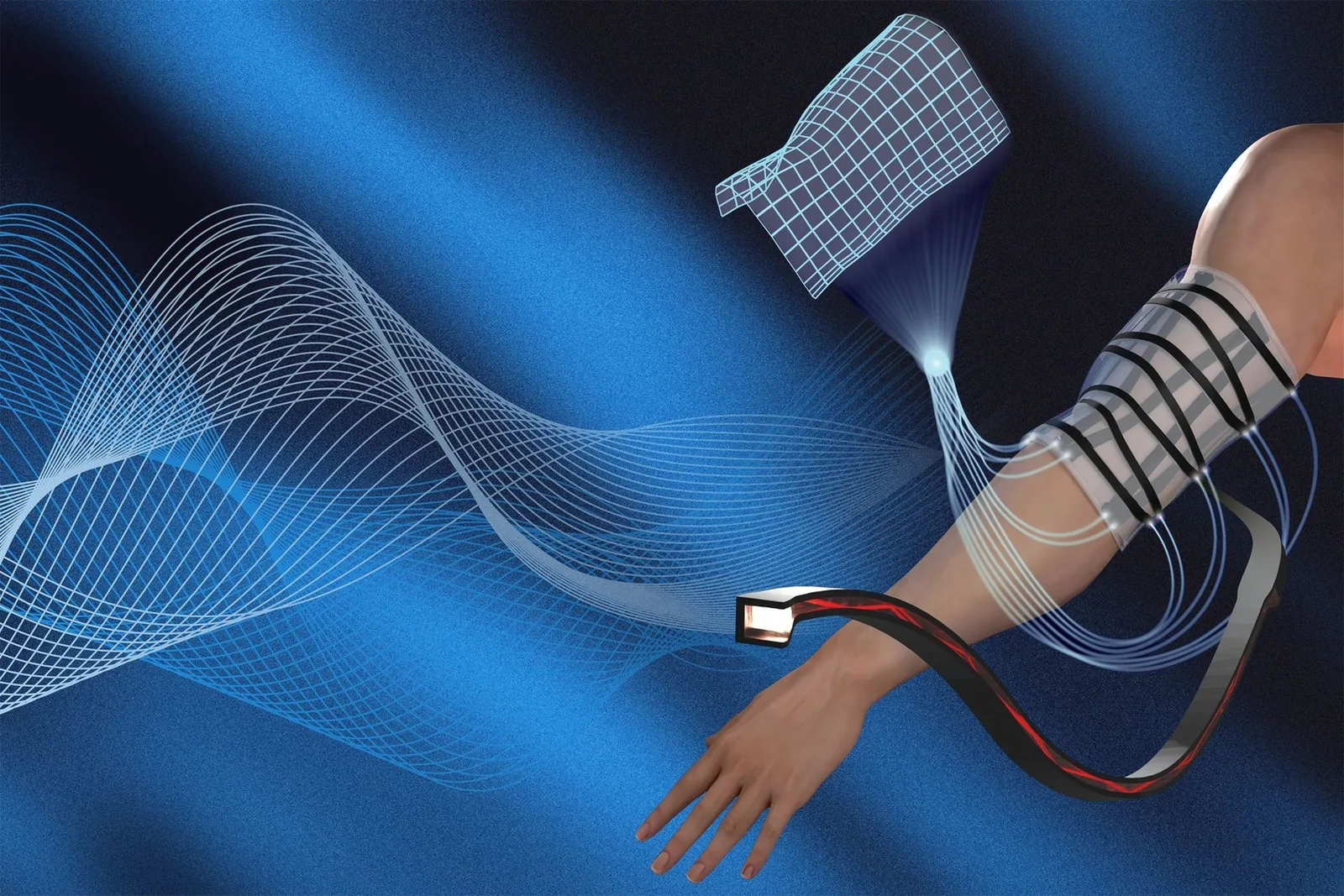
MIT engineers have developed a soft, wearable 3D sensor skin capable of tracking its movement. The optical fiber-based system kept error below 0.5 cm in laboratory tests. In current rigid sensor systems, this figure ranges from 1 cm to 2 cm. The technology was developed for gaming controls, virtual reality and physiotherapy.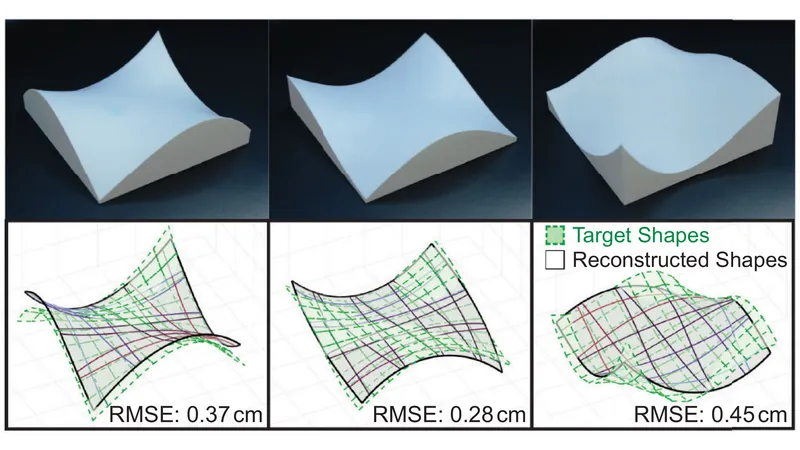 Instead of glass, the skin contains flexible optical fibers with rubber cores. The fibers’ outer layer is black, while one side is deliberately made rough. When a fiber bends in different directions, the amount of light reaching the other end changes. The system uses this change to determine the direction of the bend. Each fiber has an LED light source at one end and a light sensor at the other. The prototype measures 16 x 16 cm and is 0.5 cm thick. The silicone skin contains 14 optical fibers measuring 160 mm in length. The fibers are arranged in a zigzag pattern across 2 layers, with 7 fibers in each layer. An external circuit board collects the data. An algorithm in MATLAB reconstructs the skin’s 3D shape approximately 3 times per second. The system was tested on 3 separate 3D-printed molds. The average difference between the actual surface and the surface generated by the system was 0.37 cm for the first mold. This figure was recorded at 0.28 cm for the second mold and 0.45 cm for the third mold. In a computer test, 3 of the 14 fibers were disabled. Despite this, the error remained below 0.3 cm. When the number of disabled fibers reached 5, the error was approximately 1 cm or more. The optical fibers also respond to pressure, allowing the skin to detect touch. In a physiotherapy test, the system detected pressure applied to the forearm but did not measure the precise level of force. Pressure detection and shape tracking currently operate in separate modes. In the future, the system is expected to be used to compare a patient’s wrist and elbow movements across different sessions. The soft sensor skin can be used to replicate movements in virtual reality, remotely control robots and operate in soft robots. The current optical fibers are 1 mm thick, but there are plans to make them thinner than human hair in the future. This would make it possible to place more fibers in the skin and develop sensor-equipped clothing that tracks movement. The researchers also plan to work on faster software, additional fiber layers and a system that measures shape and pressure simultaneously.
Instead of glass, the skin contains flexible optical fibers with rubber cores. The fibers’ outer layer is black, while one side is deliberately made rough. When a fiber bends in different directions, the amount of light reaching the other end changes. The system uses this change to determine the direction of the bend. Each fiber has an LED light source at one end and a light sensor at the other. The prototype measures 16 x 16 cm and is 0.5 cm thick. The silicone skin contains 14 optical fibers measuring 160 mm in length. The fibers are arranged in a zigzag pattern across 2 layers, with 7 fibers in each layer. An external circuit board collects the data. An algorithm in MATLAB reconstructs the skin’s 3D shape approximately 3 times per second. The system was tested on 3 separate 3D-printed molds. The average difference between the actual surface and the surface generated by the system was 0.37 cm for the first mold. This figure was recorded at 0.28 cm for the second mold and 0.45 cm for the third mold. In a computer test, 3 of the 14 fibers were disabled. Despite this, the error remained below 0.3 cm. When the number of disabled fibers reached 5, the error was approximately 1 cm or more. The optical fibers also respond to pressure, allowing the skin to detect touch. In a physiotherapy test, the system detected pressure applied to the forearm but did not measure the precise level of force. Pressure detection and shape tracking currently operate in separate modes. In the future, the system is expected to be used to compare a patient’s wrist and elbow movements across different sessions. The soft sensor skin can be used to replicate movements in virtual reality, remotely control robots and operate in soft robots. The current optical fibers are 1 mm thick, but there are plans to make them thinner than human hair in the future. This would make it possible to place more fibers in the skin and develop sensor-equipped clothing that tracks movement. The researchers also plan to work on faster software, additional fiber layers and a system that measures shape and pressure simultaneously.