
16:46Machine-translated from Azerbaijani by AIRead in Azerbaijani
Nvidia Introduces Mega Geometry 2.0 for Large 3D Scenes

Nvidia has released version 2.0 of the RTX Mega Geometry software suite. The update transfers data from detailed 3D models to video memory, or VRAM, only when needed. This makes it possible to work with large scenes that do not fit entirely in the graphics card's memory. The technology is included in the RTX Kit 2026.3 package and, for now, is primarily intended for game developers.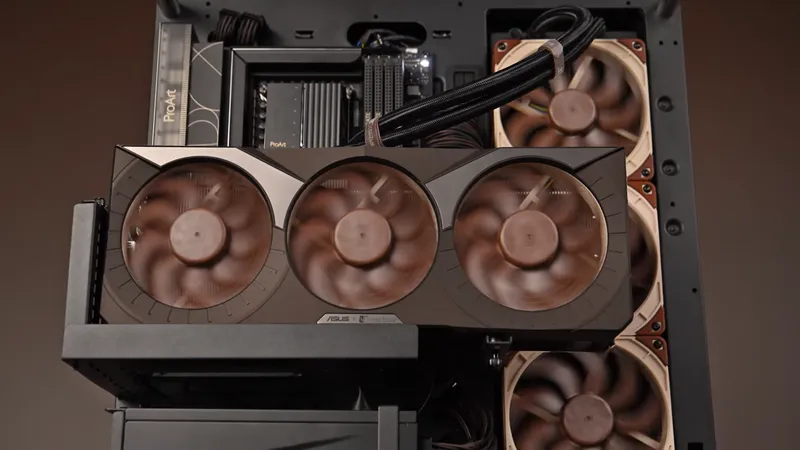 The system divides detailed 3D models into sections and keeps only the required sections in memory during ray tracing. Version 2.0 does not require all of a scene's initial data to be loaded into video memory in advance. Instead of continuously swapping data when the memory becomes full, the image's level of detail is reduced. In an earlier test with the RTX 4090, the technology saved approximately 1 GB of VRAM at 4K in the image-quality-focused DLSS Quality mode. Performance also increased by 13%. Under the default settings, 2 GB of VRAM is allocated for streamed geometry data from the models. Another 2 GB is used for data that accelerates ray tracing, while 4 GB is used for materials and surface textures. Developers can adjust these limits according to the needs of the game. The previous tessellation method, which adds more detail to surfaces, has also been retained, meaning that the new system does not replace it.
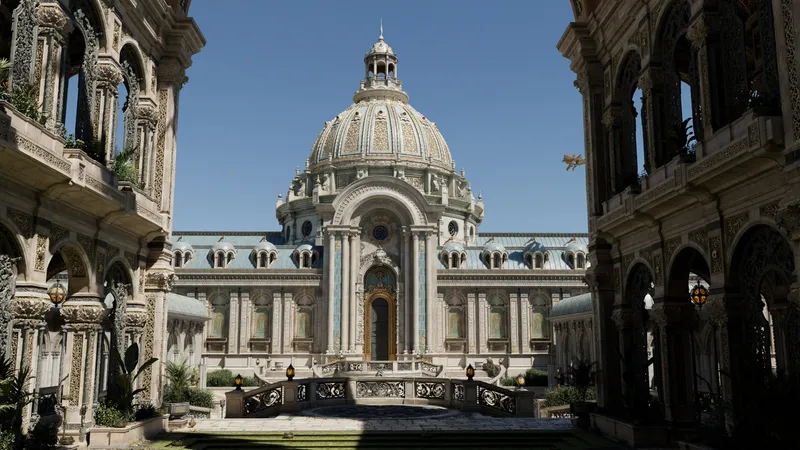
 Nvidia's Zorah sample consists of 1.6 billion unique triangles, and its download file is 70 GB. The scene contains a total of 31 GB of 3D model data. Despite this, the courtyard view uses only 1.5 GB of video memory on an RTX 5090 at 4K in DLSS Quality mode. RAM usage may reach 64 GB when the sample is first opened.
 Running the sample requires an RTX graphics card with at least 10 GB of VRAM. It also requires Game Ready driver 570 or newer, DXR 1.1, and Windows 10. Version 2.0.0 of the software suite has been available on GitHub since this week. So far, no game has been confirmed to use version 2.0 specifically. Gears of War: E-Day will use the general Mega Geometry technology, but the version selected for the game has not been disclosed. Early access will begin on October 1, with the full release following on October 6. Players will be able to see ray tracing for Nanite geometry in this game for the first time. Nvidia's Game Ready driver 617.14 has already been released. The technology's main innovations are planned to be incorporated into the DirectX Raytracing 2.0 standard at a later date.
The system divides detailed 3D models into sections and keeps only the required sections in memory during ray tracing. Version 2.0 does not require all of a scene's initial data to be loaded into video memory in advance. Instead of continuously swapping data when the memory becomes full, the image's level of detail is reduced. In an earlier test with the RTX 4090, the technology saved approximately 1 GB of VRAM at 4K in the image-quality-focused DLSS Quality mode. Performance also increased by 13%. Under the default settings, 2 GB of VRAM is allocated for streamed geometry data from the models. Another 2 GB is used for data that accelerates ray tracing, while 4 GB is used for materials and surface textures. Developers can adjust these limits according to the needs of the game. The previous tessellation method, which adds more detail to surfaces, has also been retained, meaning that the new system does not replace it. Nvidia's Zorah sample consists of 1.6 billion unique triangles, and its download file is 70 GB. The scene contains a total of 31 GB of 3D model data. Despite this, the courtyard view uses only 1.5 GB of video memory on an RTX 5090 at 4K in DLSS Quality mode. RAM usage may reach 64 GB when the sample is first opened. Running the sample requires an RTX graphics card with at least 10 GB of VRAM. It also requires Game Ready driver 570 or newer, DXR 1.1, and Windows 10. Version 2.0.0 of the software suite has been available on GitHub since this week. So far, no game has been confirmed to use version 2.0 specifically. Gears of War: E-Day will use the general Mega Geometry technology, but the version selected for the game has not been disclosed. Early access will begin on October 1, with the full release following on October 6. Players will be able to see ray tracing for Nanite geometry in this game for the first time. Nvidia's Game Ready driver 617.14 has already been released. The technology's main innovations are planned to be incorporated into the DirectX Raytracing 2.0 standard at a later date.