
18:41Machine-translated from Azerbaijani by AIRead in Azerbaijani
Nvidia Releases Demo for GeForce 8800 Graphics Cards’ 20th Anniversary
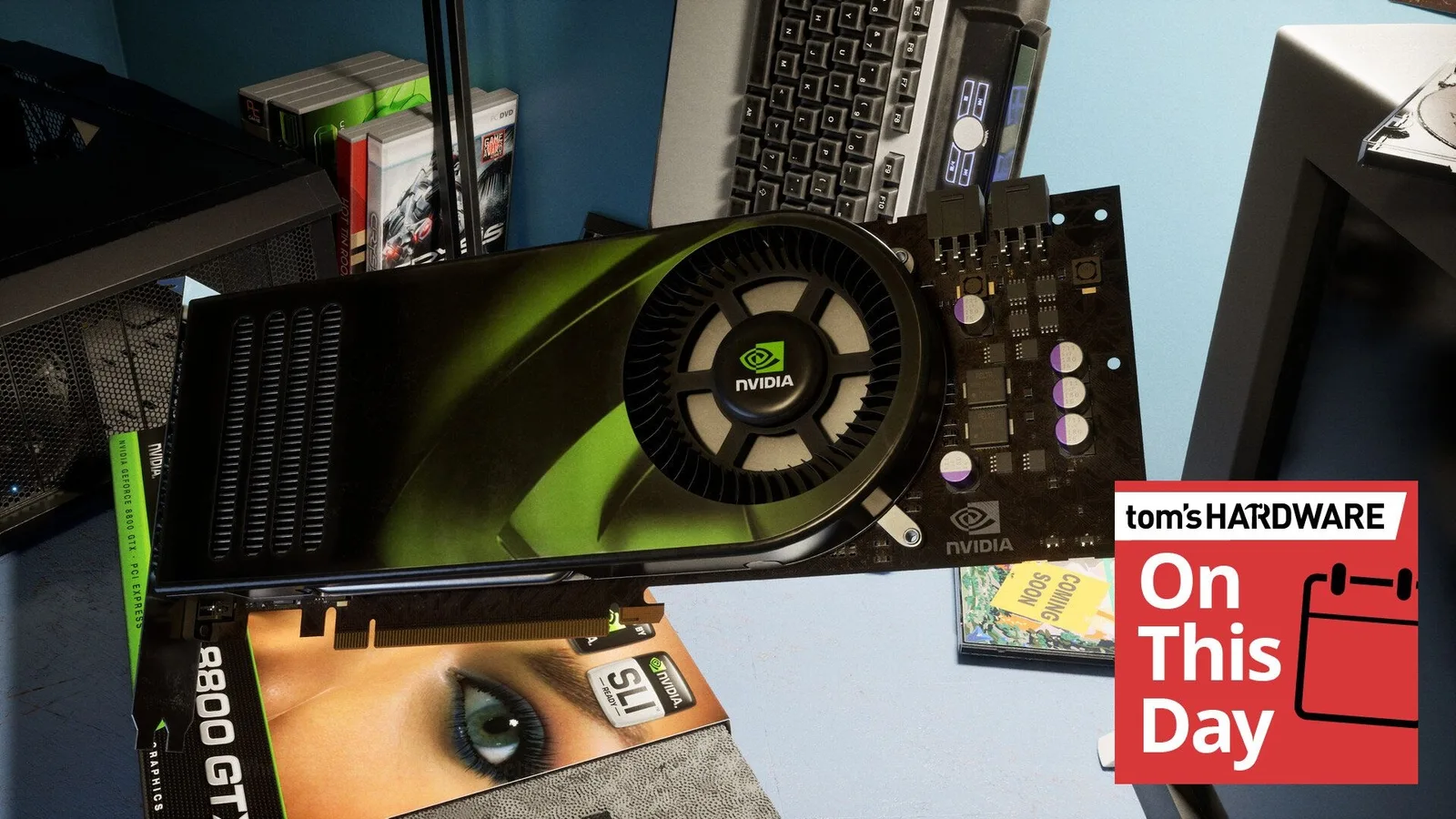
Nvidia is celebrating the 20th anniversary of the GeForce 8800 GTX and GeForce 8800 GTS graphics cards, which went on sale on November 8, 2006. To mark the occasion, the company has released an interactive demo called “GeForce 8800 GTX - 20 Years of a Legend.” The program, which recreates the unboxing of the old graphics card, is available for free on Steam.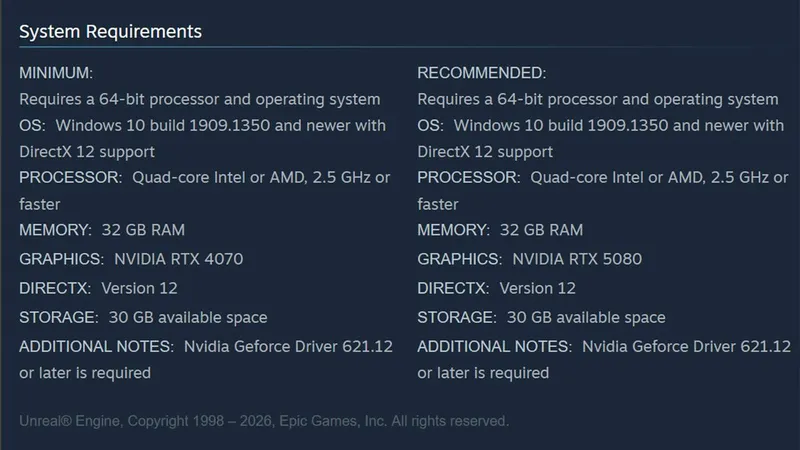
The demo’s system requirements are quite high even for modern computers. It requires at least an RTX 4070 to run properly, while an RTX 5080 is recommended. The computer must also have 32 GB of RAM and 30 GB of free storage space. Those without a computer that meets these requirements can watch the demonstration video.
The demo was created with Unreal Engine and uses path tracing. This technique calculates the movement of light in detail to create more realistic visuals. The program also features DLSS 4.5, Dynamic Multi Frame Generation, Ray Reconstruction and Mega Geometry technologies. With their help, the style of 2006 has been recreated with modern lighting and more detailed graphics.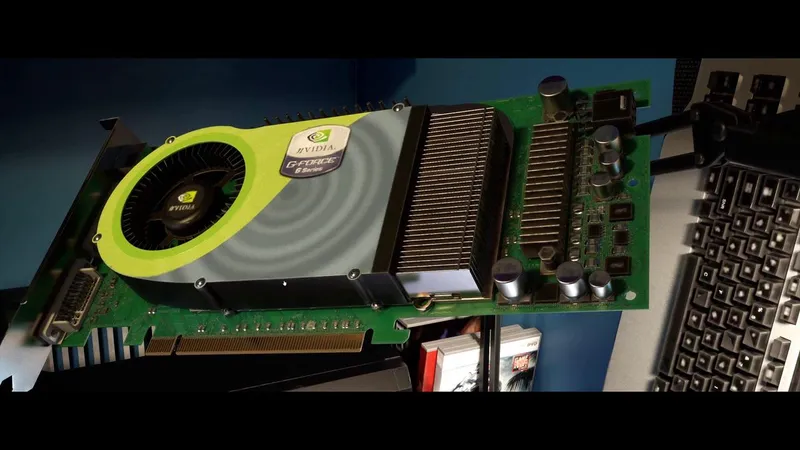
The program was created by lead visual effects artist Dylan Browne. Users can examine the box in a virtual room and then install the graphics card in a computer case appropriate for that era. The demo also contains hidden surprises. For example, Windows Vista appears on the computer shown on the screen, even though the operating system went on sale several months after the graphics card.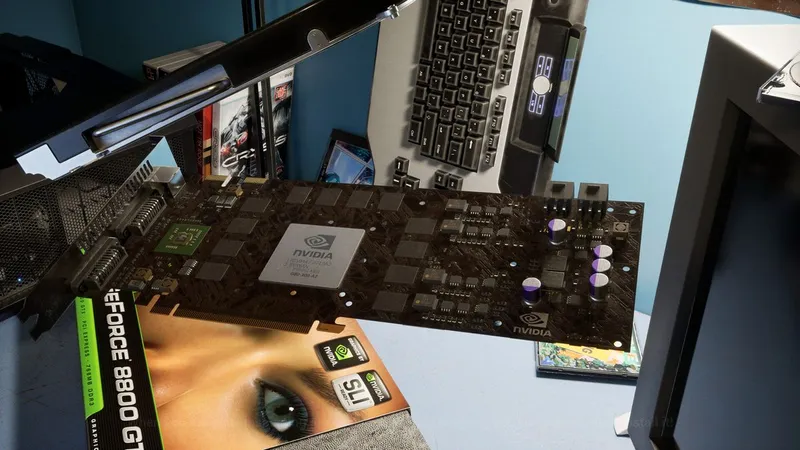
The GeForce 8800 GTX had 128 shader units for processing graphics, while the GeForce 8800 GTS had 96. Nvidia sold the GeForce 8800 GTX for $599 (about AZN 1,020). The GeForce 8800 GTS cost $449 (about AZN 760). At the beginning of the DirectX 10 era, these G80-architecture graphics cards enabled faster graphics and new visual capabilities in games.
The G80 architecture made CUDA accessible to ordinary users. This paved the way for graphics processors to be used not only to generate visuals but also for other computations. Nvidia ended driver support for these graphics cards about 10 years later. By then, DirectX 11 hardware and games had become widespread, and the older models were no longer sufficient for new AAA games.