
17:01Machine-translated from Azerbaijani by AIRead in Azerbaijani
Nvidia Wants to Convert Nearly 130 Telecom Buildings Into Data Centers
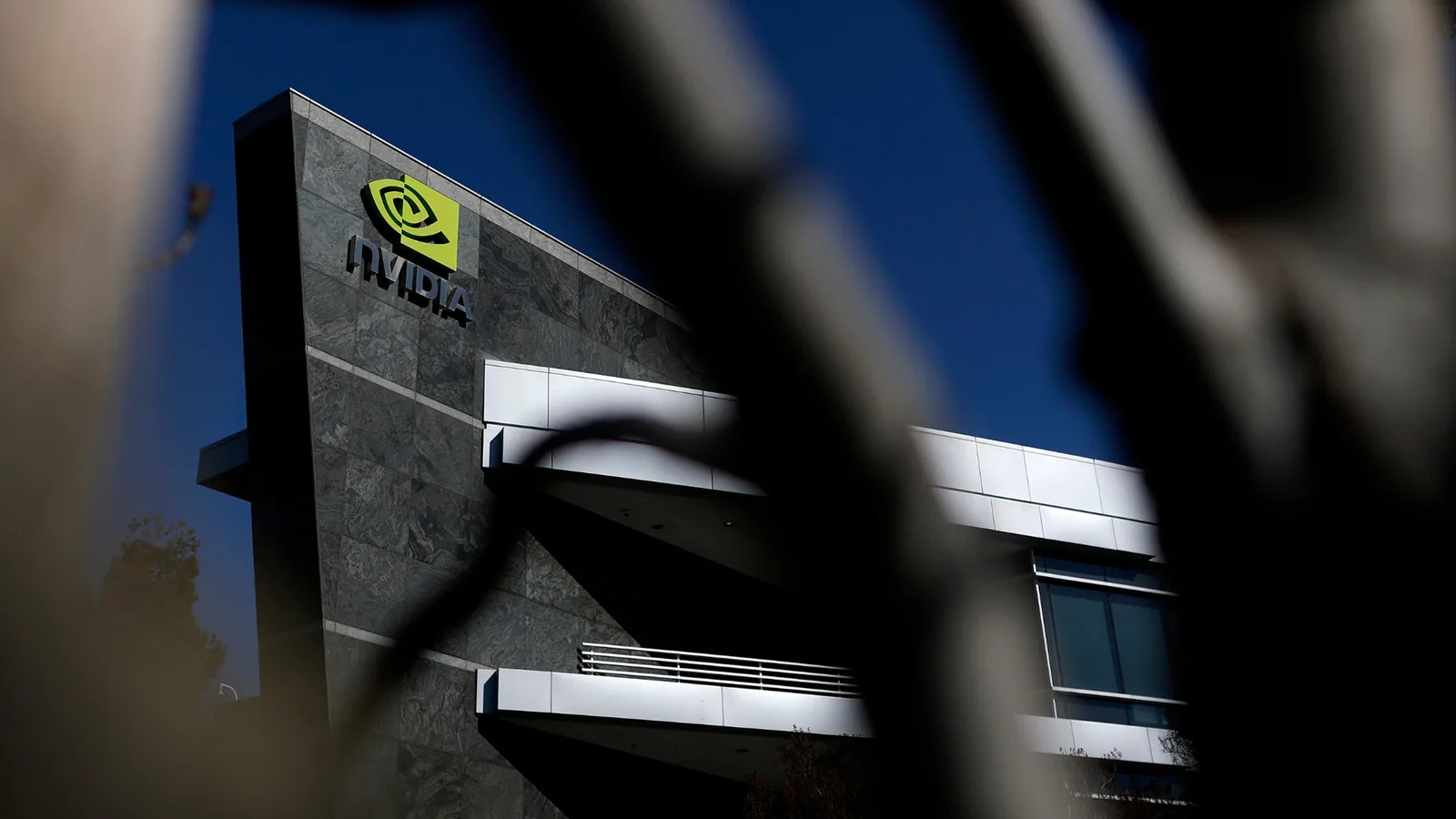
Nvidia wants to convert old telecommunications buildings in the US into small data centers. The company is discussing the plan with internet and telecom operator Brightspeed. Brightspeed is managed by Apollo Global Management. Nvidia has already submitted its written plan. The company is now seeking permission to obtain additional information about the facilities and visit some of the sites.
Brightspeed has approximately 130 buildings across the country. Many of these buildings were constructed to carry data and voice traffic. They also have robust electrical infrastructure. Nvidia estimates that all the facilities together could provide approximately 1 gigawatt of power. That is enough to operate more than 2,200 Supermicro Vera Rubin NVL72 systems. Each system has 72 Rubin graphics processors and 36 Vera CPUs for artificial intelligence computing.
The existing electrical infrastructure is sufficient to run the servers, but the buildings are not yet fully ready. Nvidia would need to install cooling systems and other supporting equipment there. The project would also require approval from local authorities. Nevertheless, adapting old buildings could take less time than constructing a new data center. Such projects are also less likely to face local opposition.
Apollo Global Management is investing heavily in artificial intelligence hardware. The company is involved in a $40 billion agreement with SpaceX (approximately AZN 68 billion). The agreement includes 5,000 NVL72 systems and approximately 360,000 Vera Rubin graphics processors in total. It is not yet known who would own the chips installed in Brightspeed's buildings. However, these facilities could help bring the ordered equipment online more quickly.
OpenAI and Anthropic are also considering using numerous small data centers. Large, unified systems are better suited to training artificial intelligence models. Small facilities can work together to process requests sent to trained models. This approach is becoming increasingly important as artificial intelligence agents become more widespread, because these systems process 5-10 times more tokens, or units of text, than humans.
The number of bans adopted against data centers in the US has exceeded 300. So far, these decisions have delayed only 3 projects. However, new restrictions could make it more difficult to build future facilities. Artificial intelligence companies that reuse old telecom buildings could obtain additional computing capacity without waiting through lengthy approval processes.