
16:58Machine-translated from Azerbaijani by AIRead in Azerbaijani
OpenAI begins deploying its AI chips in servers with AMD processors
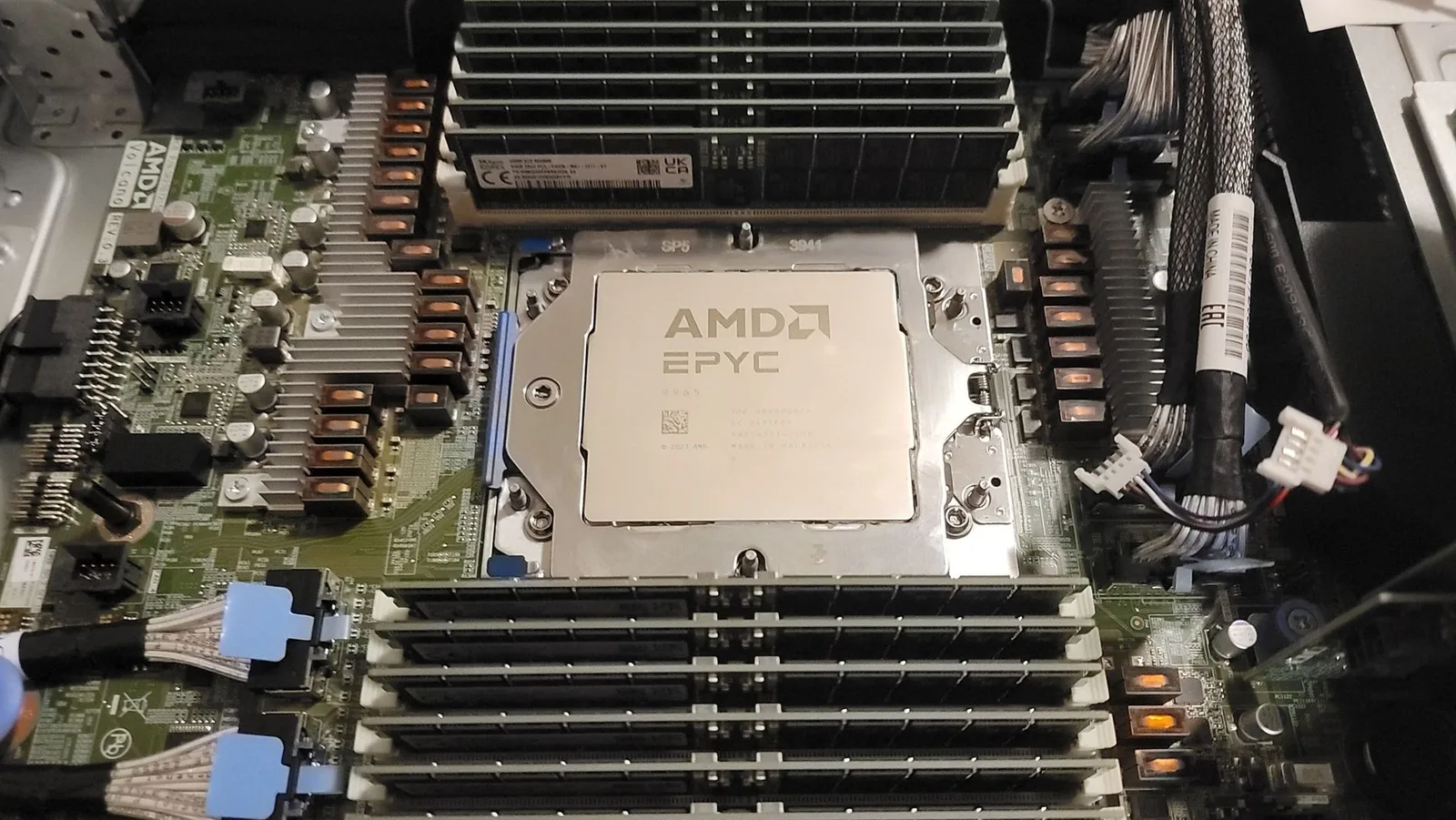
OpenAI has begun deploying its new Jalapeño ASIC chips in its internal systems alongside servers powered by AMD EPYC Turin processors. An ASIC is a custom chip designed for specific computations. In this case, the chips perform artificial intelligence workloads. Each server has 1.5 TB of memory. The equipment operates as a single system in large racks at data centers.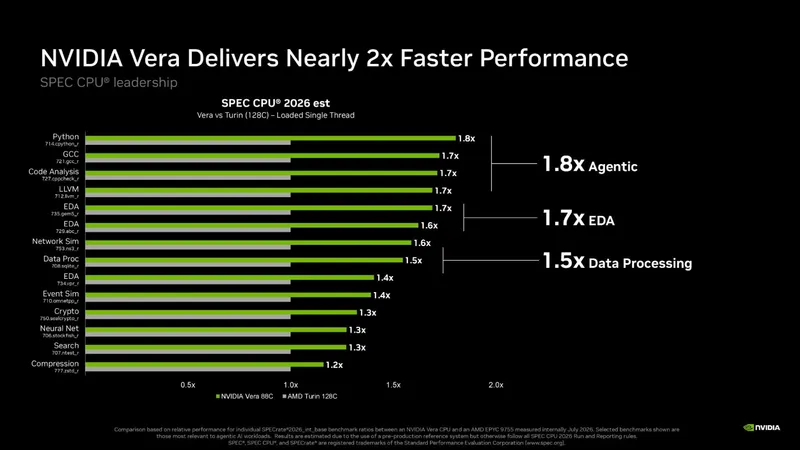 Richard Ho, head of OpenAI’s hardware division, called this a practical choice. He said Nvidia Vera is not yet mature enough to meet the company’s requirements. AMD EPYC Turin met its needs, and its partners also have experience working with this system. The company is seeking to achieve high speeds at a lower cost and avoid additional technical risks. According to Nvidia, the Vera processor delivered a result 1.8 times as high as the competing AMD Turin model. However, this figure was calculated by dividing the SPEC CPU 2026 test result by the number of processor cores. In the overall result, Vera outperformed the AMD EPYC 9755 by only 3%. Comprehensive test results for the processor across different workloads have not yet been released.
 One of the main advantages for OpenAI is that the x86_64 system is more extensively tested and mature. Vera is based on Nvidia’s first custom processor core designed for data centers. This processor is permanently mounted on the board, while Turin is inserted into a dedicated socket. Although processors are rarely replaced in servers, a socketed design makes repairs and maintenance easier. OpenAI is also one of the partners in the Arm AGI platform and continues to consider the Nvidia Vera processor as an option. Hardware from different manufacturers operates in the company’s data centers. The Jalapeño chips may therefore be connected to other server systems in the future. AMD EPYC Turin, which was considered the lower-risk option, was selected for the current deployment.
Richard Ho, head of OpenAI’s hardware division, called this a practical choice. He said Nvidia Vera is not yet mature enough to meet the company’s requirements. AMD EPYC Turin met its needs, and its partners also have experience working with this system. The company is seeking to achieve high speeds at a lower cost and avoid additional technical risks. According to Nvidia, the Vera processor delivered a result 1.8 times as high as the competing AMD Turin model. However, this figure was calculated by dividing the SPEC CPU 2026 test result by the number of processor cores. In the overall result, Vera outperformed the AMD EPYC 9755 by only 3%. Comprehensive test results for the processor across different workloads have not yet been released. One of the main advantages for OpenAI is that the x86_64 system is more extensively tested and mature. Vera is based on Nvidia’s first custom processor core designed for data centers. This processor is permanently mounted on the board, while Turin is inserted into a dedicated socket. Although processors are rarely replaced in servers, a socketed design makes repairs and maintenance easier. OpenAI is also one of the partners in the Arm AGI platform and continues to consider the Nvidia Vera processor as an option. Hardware from different manufacturers operates in the company’s data centers. The Jalapeño chips may therefore be connected to other server systems in the future. AMD EPYC Turin, which was considered the lower-risk option, was selected for the current deployment.