
14:53Machine-translated from Azerbaijani by AIRead in Azerbaijani
OpenAI Improves AMD’s Flagship Chip Designs With AI
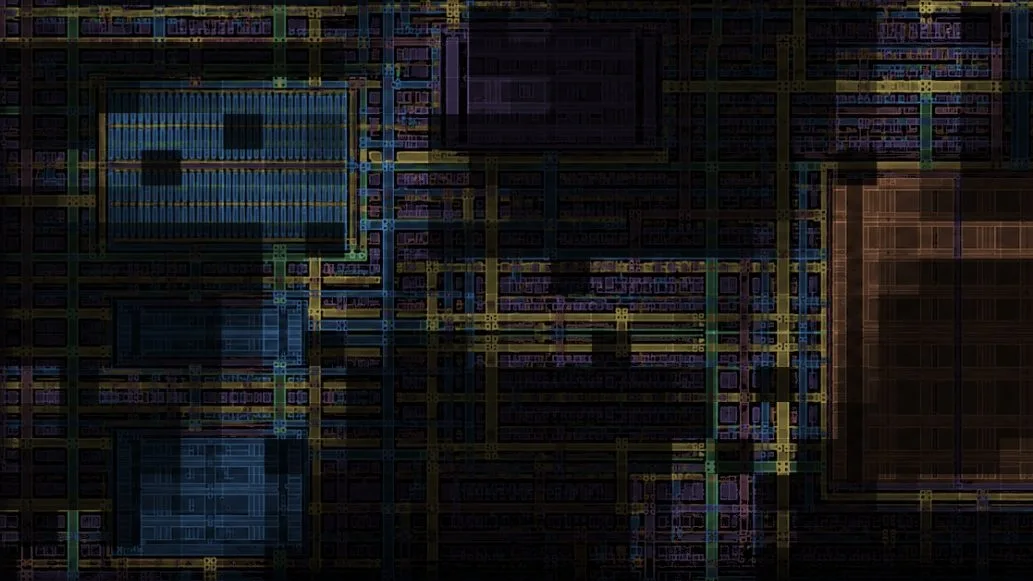
OpenAI has used artificial intelligence to help improve the flagship GPU and CPU designs that AMD is preparing to unveil. According to the disclosed results, the PPA of the GPU designs improved by up to 14%. PPA represents the overall balance between a chip’s power consumption, speed, and area. This figure also increased by a single-digit percentage for the processor, but the exact result was not disclosed.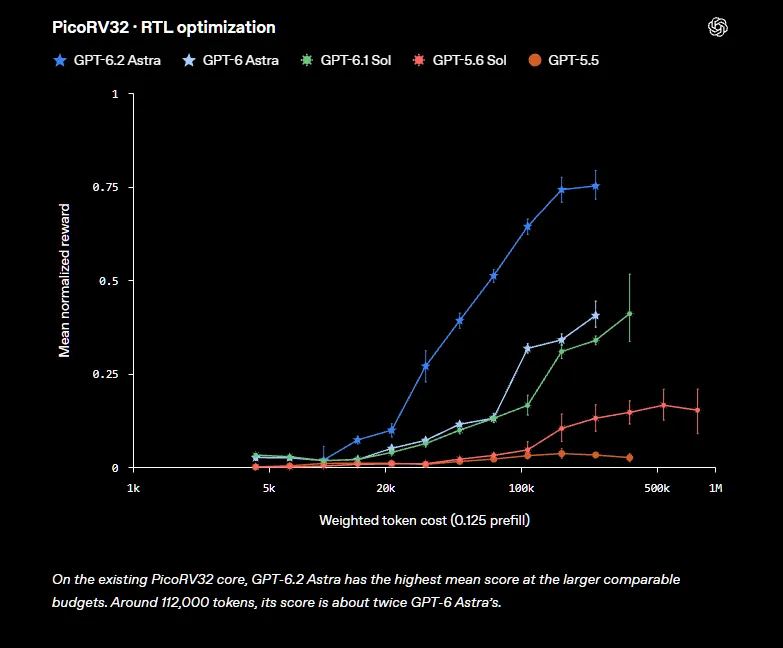 It is not known which artificial intelligence models were selected for the work. The models found additional ways to make improvements by rewriting the code describing the chip designs. They used SystemVerilog RTL, a language widely used in high-level chip design. According to OpenAI, optimization work that normally takes 1 year was completed in less than 5 months. The model worked with RTL code at the level of a chip architecture expert. To test the models’ capabilities, they were tasked with improving the PicoRV32 and Ibex chip cores. In each test, the model was given a 112,000-token workspace. This represents the amount of code and text the model could review at the same time. The results were evaluated based on the chip’s operating speed. Designs that did not work or occupied more than 16 times the area of the original received 0 points. Designs that best met the test conditions received 1.0 points. The models were not told in advance which tasks the chips would be used for. According to the results, GPT-6.2 Astra achieved both the lowest overall cost and the highest optimization score. Another test showed that the models produced better results when rebuilding the chip from the initial technical requirements rather than fixing the existing code. However, it is not known whether standard GPT versions or models developed for a specific task were used in the AMD project. OpenAI believes the PPA of the GPU and CPU designs could be improved further. This is not OpenAI’s first artificial intelligence project in the field of chip design. The company also developed the OpenAI Jalapeño chip together with Broadcom. The chip was designed for inference, meaning the process by which a completed artificial intelligence model generates a response. Its engineering samples were performing real-world tasks in June 2026. Small-scale use was planned to begin at the end of 2026, followed by widespread deployment in 2027. Tests showed that its power consumption and operating latency were lower than those of the Nvidia Blackwell GPU. OpenAI is also developing a specialized model called GPT-Synopsis that will work with Synopsys chip design tools. According to the company, advanced large language models tailored to specific tasks are already ready. However, it is not known whether such a specialized model was used in the AMD project. The unveiling date for the new flagship GPU and CPU models has also not been disclosed.