
21:47Machine-translated from Azerbaijani by AIRead in Azerbaijani
OpenAI Unveils Always-On Dots AI Assistant
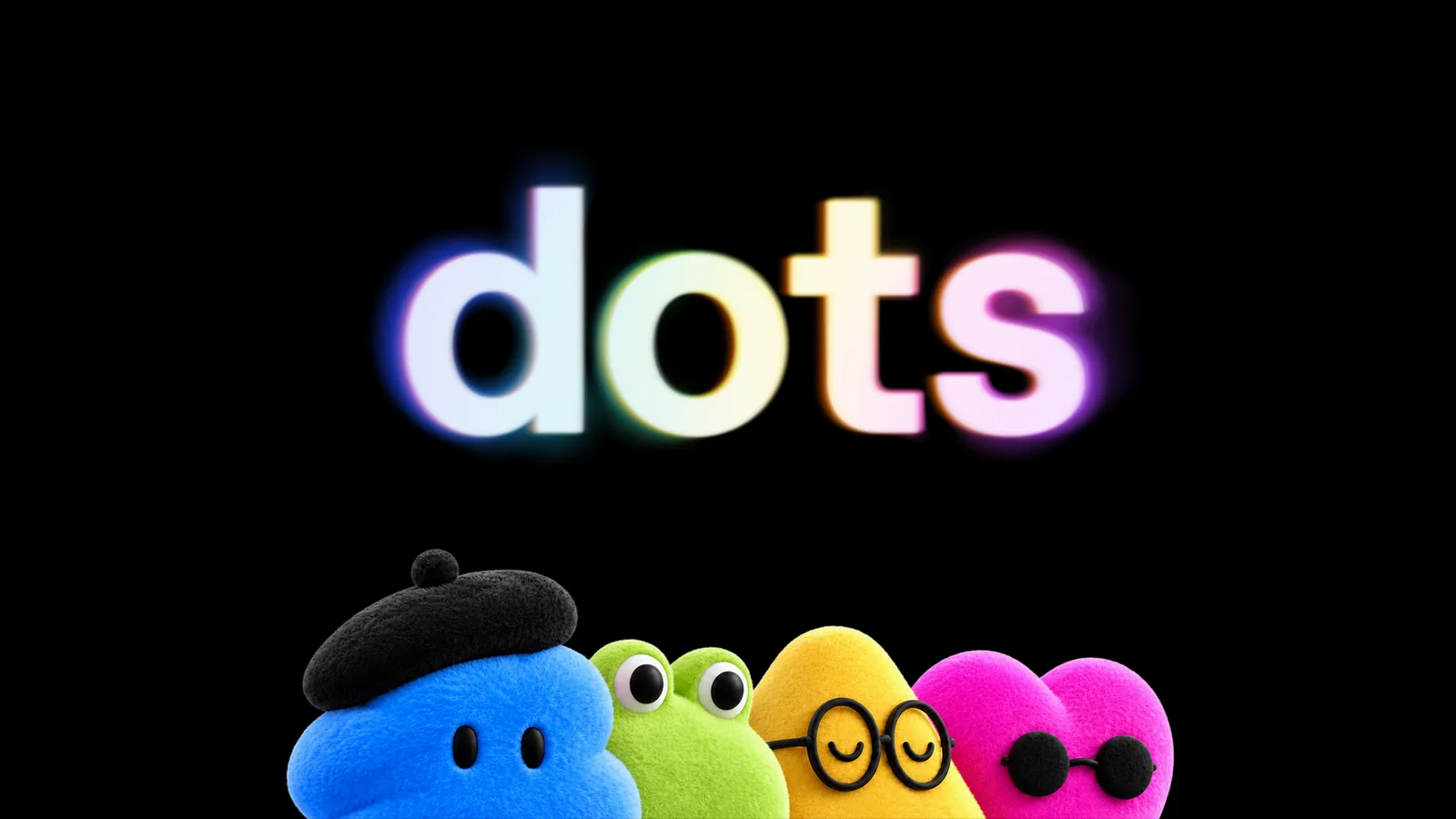
OpenAI unveiled its always-on AI assistant called Dots at the DevDay 2026 event held in San Francisco on September 29. Powered by the GPT-6 Astra model, the agent performs tasks in the background without constant user supervision. It gathers information from connected services, learns the user’s preferences over time, and adapts to them. Dots is considered a competitor to Meta’s Muse agent, which was released several weeks ago.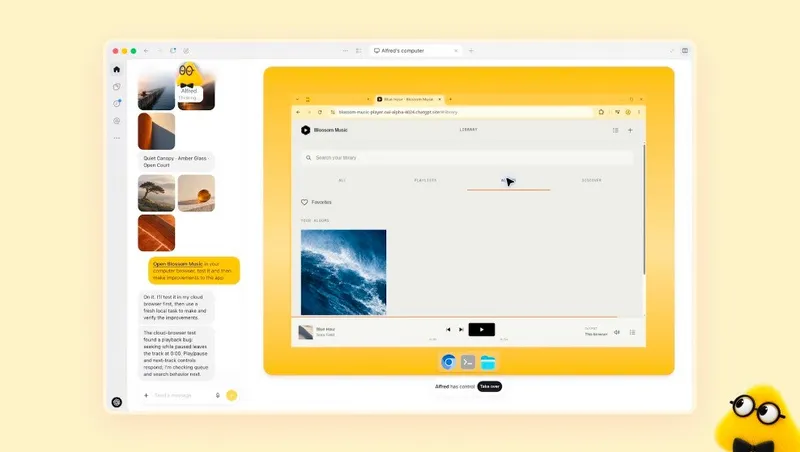 Each Dot is assigned a separate computer in the cloud. The agent can connect to a browser and more than 4 000 apps. Users can monitor the work on that cloud computer’s screen. While a task is in progress, the agent sends updates and questions via messages. According to OpenAI, Dots tailors results to the user and also identifies new tasks that can be completed before the user requests them. Users can communicate with Dots by text or voice through the web, desktop, and mobile versions of ChatGPT. The agent also works in Slack and Microsoft Teams and remembers the content of previous conversations across different devices and apps. The text messaging feature is still under development. Pro users can join the waitlist for iMessage and RCS messages on Android devices. Teams can work with the agent together in a shared workspace called ChatGPT Space. In an example shown at the event, the agent checked the calendar and realized that the user would be working during dinner. It then found 2 options with prices on Grubhub and asked when the order should be placed. In another example, Dots helped a user launch a new website. Developers can use the agent to build a new feature based on customer feedback, test it, and demonstrate the changes in a video. A content creator can produce short clips and social media copy from an interview, while a scientist can rerun an analysis as new data arrives. Dots has internal rules that determine when it can operate independently. In the Custom Rules section, users can prohibit certain actions and choose which steps require prior permission. An automated verification system checks whether each step complies with safety rules. Sensitive tasks such as installing software and changing passwords require explicit consent. These measures are especially notable following an allegation that the Muse agent sent a user’s address to a Facebook Marketplace buyer without permission. The service is becoming available on September 29 to ChatGPT Pro and Business Premium users in eligible markets. The Pro plan costs 100 dollars per month (approximately 170 manat). The agent can be launched from within ChatGPT or Codex, and conversations with it do not count toward the overall usage limit. In the future, users will be able to run several agents simultaneously and increase their speed and monthly workload. Agents designed for specific roles within companies are also being tested. OpenAI is integrating them with Microsoft’s Agent 365 security system.
Each Dot is assigned a separate computer in the cloud. The agent can connect to a browser and more than 4 000 apps. Users can monitor the work on that cloud computer’s screen. While a task is in progress, the agent sends updates and questions via messages. According to OpenAI, Dots tailors results to the user and also identifies new tasks that can be completed before the user requests them. Users can communicate with Dots by text or voice through the web, desktop, and mobile versions of ChatGPT. The agent also works in Slack and Microsoft Teams and remembers the content of previous conversations across different devices and apps. The text messaging feature is still under development. Pro users can join the waitlist for iMessage and RCS messages on Android devices. Teams can work with the agent together in a shared workspace called ChatGPT Space. In an example shown at the event, the agent checked the calendar and realized that the user would be working during dinner. It then found 2 options with prices on Grubhub and asked when the order should be placed. In another example, Dots helped a user launch a new website. Developers can use the agent to build a new feature based on customer feedback, test it, and demonstrate the changes in a video. A content creator can produce short clips and social media copy from an interview, while a scientist can rerun an analysis as new data arrives. Dots has internal rules that determine when it can operate independently. In the Custom Rules section, users can prohibit certain actions and choose which steps require prior permission. An automated verification system checks whether each step complies with safety rules. Sensitive tasks such as installing software and changing passwords require explicit consent. These measures are especially notable following an allegation that the Muse agent sent a user’s address to a Facebook Marketplace buyer without permission. The service is becoming available on September 29 to ChatGPT Pro and Business Premium users in eligible markets. The Pro plan costs 100 dollars per month (approximately 170 manat). The agent can be launched from within ChatGPT or Codex, and conversations with it do not count toward the overall usage limit. In the future, users will be able to run several agents simultaneously and increase their speed and monthly workload. Agents designed for specific roles within companies are also being tested. OpenAI is integrating them with Microsoft’s Agent 365 security system.