
11:20Machine-translated from Russian by AIRead in Azerbaijani
OpenAI Unveils dots, Personal AI Assistants With Their Own Cloud Computers
OpenAI has unveiled dots, a new generation of personal AI assistants capable of autonomously handling complex tasks in the background around the clock. Unlike standard chatbots, these agents can independently interact with various applications and web services. According to the developers’ vision, the key feature of dots will be proactivity: they are expected to deliver finished results to users before they even have time to formulate the corresponding request.
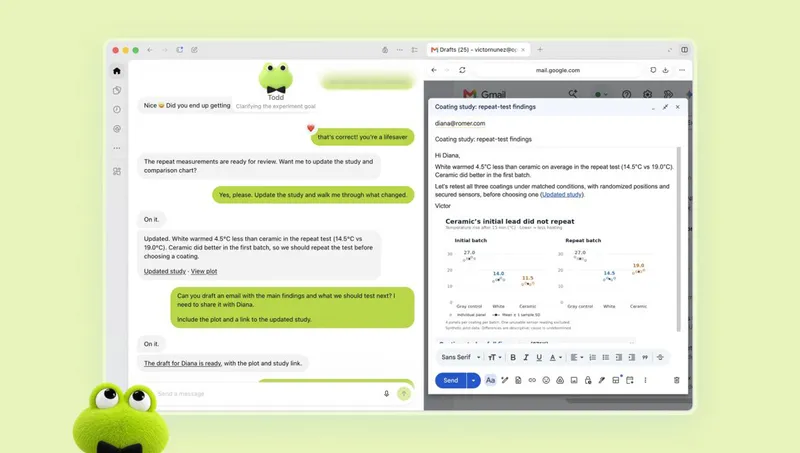
Each virtual assistant runs on the latest flagship model, GPT-6 Astra. To carry out tasks, the agent receives its own isolated cloud computer with a built-in browser. Thanks to integration with the plugin ecosystem, the AI assistant can connect to more than 4000 different applications, seamlessly transferring work context between ChatGPT, Slack and Microsoft Teams. Users can interact with dots through a familiar text interface or by voice using the standard ChatGPT app on PCs and mobile devices. OpenAI also promises to add support for regular SMS messages via the iMessage and RCS protocols in the near future and has opened a dedicated waitlist for ChatGPT Pro users.
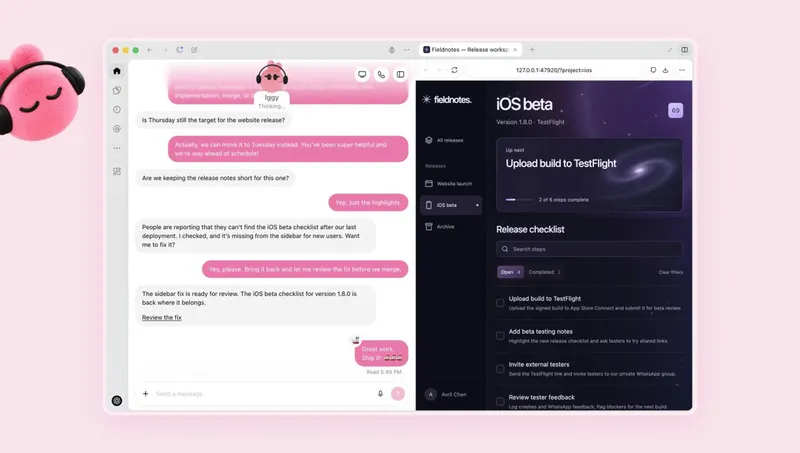
The new agents can be used for a wide range of tasks, from writing software code to creating content and handling routine office work. In software development, an assistant can independently analyze user feedback, identify recurring bugs, fix minor errors in the code and submit completed pull requests to a programmer for review. For media content creators, a dot can study a transcript of an hours-long interview, select key clips for future videos, write descriptions and prepare draft posts. At the same time, the workflow is completely transparent: users can remotely access the screen of their agent’s cloud computer at any time and monitor its actions.
The developers paid particular attention to balancing AI autonomy with security. The assistants learn from feedback, gradually adapting to their owners’ individual preferences and proactively proposing solutions to current tasks. Agents’ actions are controlled through built-in security policies and a set of flexible rules that define the limits of the AI’s autonomy. Users can set their own restrictions and triggers requiring mandatory confirmation of operations, while critical actions such as changing account passwords always require direct human involvement.
At launch, users can activate only one personal dot assistant, but OpenAI plans to add the ability to deploy an entire team of agents simultaneously to handle tasks in parallel. Phased access to dots has already begun for subscribers to the premium ChatGPT Pro and Business Premium plans in regions where the new functionality is supported. A closed beta version is available to corporate customers with a ChatGPT Enterprise subscription and must be activated by the workspace administrator.