
19:56Machine-translated from Azerbaijani by AIRead in Azerbaijani
OpenAI Unveils Jalapeño AI Chip Developed for Its Own Use
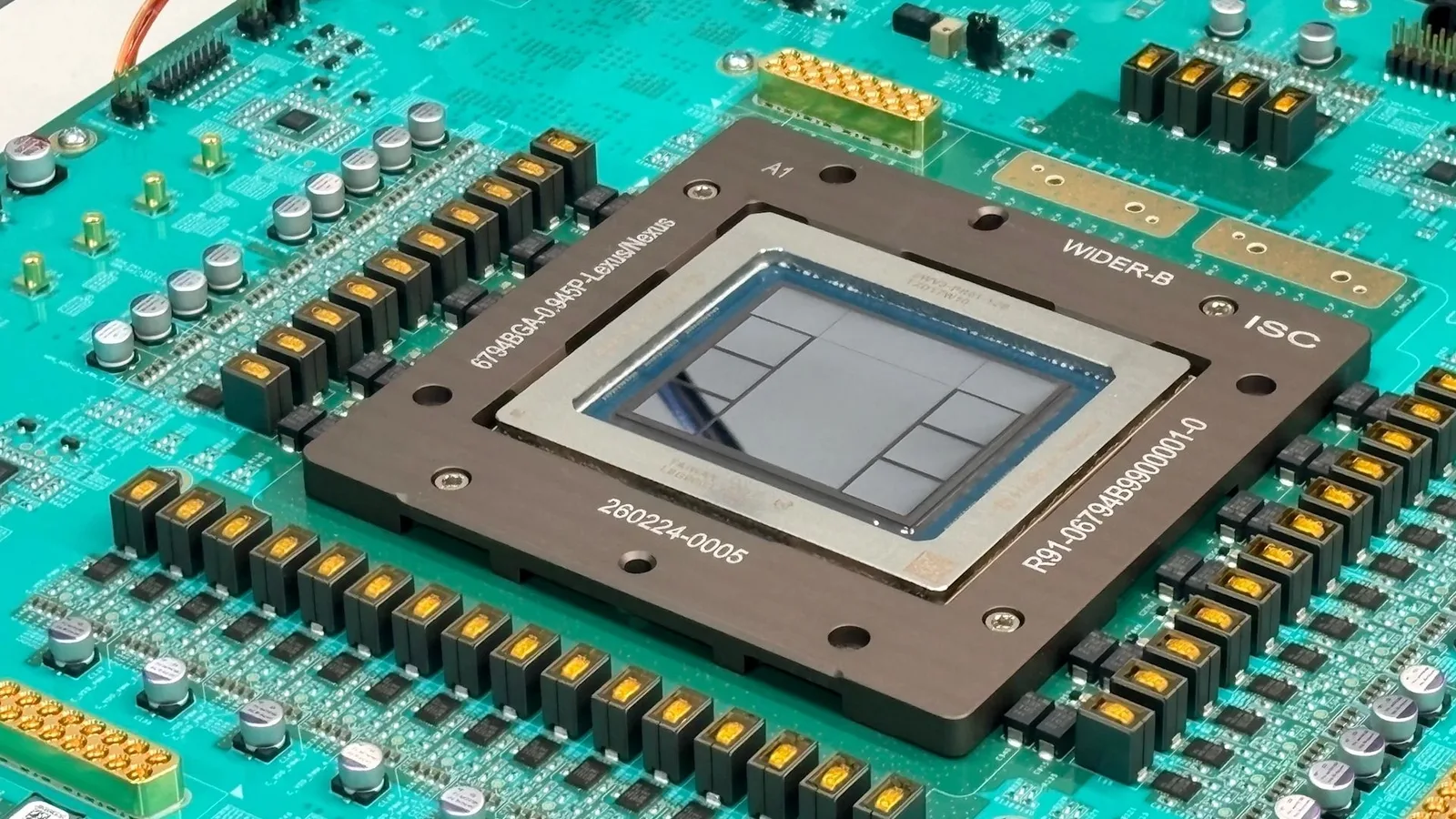
OpenAI has revealed who its custom Jalapeño chip, which generates responses from artificial intelligence models more quickly, was designed for. This ASIC chip has been tailored to specific computing tasks. Richard Ho, the head of the company’s hardware division, said Jalapeño will be used internally for now. Broader access to it in the future has not been ruled out.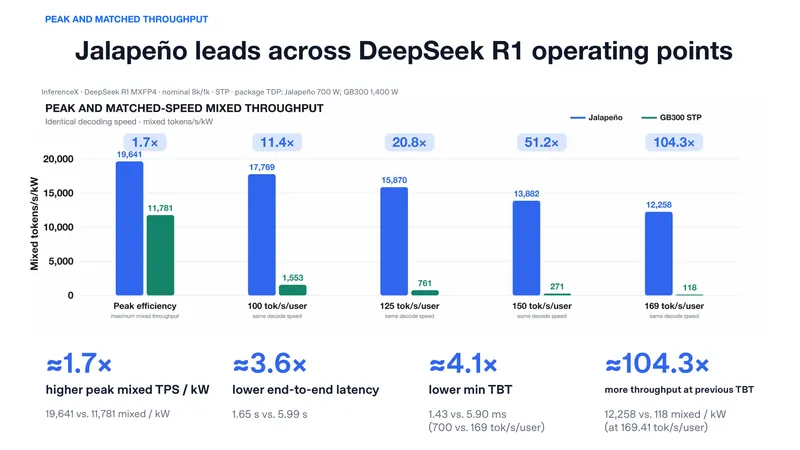 OpenAI’s main priority is meeting its own computing needs. Internal demand for computing power is high and continues to grow. As a result, it appears difficult to allocate enough chips to outside customers in the near future. According to Richard Ho, the company’s internal chip supply is in good shape, but production would need to be increased significantly for external sales. Jalapeño’s performance was compared with Nvidia GB200 and GB300 accelerators at the Hot Chips 2026 event. The tests were conducted using SemiAnalysis’s InferenceX benchmark. In addition to OpenAI GPT-OSS, the chip also ran the DeepSeek R1 and Kimi K2.5 models. This showed that Jalapeño is not limited to OpenAI models.
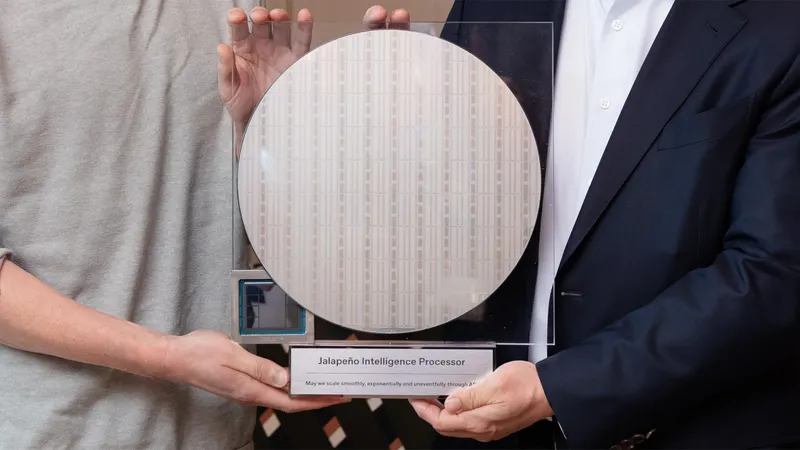 OpenAI had not initially planned to disclose performance figures at the event. However, in the 2 months between the development of the A0 sample and the presentation, engineers got the DeepSeek and Kimi models running on the chip. Richard Ho emphasized that Jalapeño is a programmable accelerator that can be used for various tasks. In other words, the chip was not coded in advance exclusively for the company’s own models.
 When Jalapeño was being developed, the goal was not to achieve the highest speed, but to use energy more efficiently. Electrical power is limited in modern data centers. A more efficient chip can therefore process more requests using the same amount of energy. OpenAI developed the chip alongside its models, and according to the company, this approach helped it tailor technical decisions more precisely to the models. The company does not want to share confidential information about its model research with other chipmakers. In the InferenceX test, the model was given 8 000 input tokens, which are small processed segments of text. It then generated 1 000 output tokens. OpenAI also conducted additional internal tests involving longer texts and the Nvidia Vera Rubin platform. Although the results were not disclosed, the company claims Jalapeño performed well compared with the new platform. When the chip becomes available, its competitors may include Vera Rubin and, at certain stages, VR Ultra.
OpenAI’s main priority is meeting its own computing needs. Internal demand for computing power is high and continues to grow. As a result, it appears difficult to allocate enough chips to outside customers in the near future. According to Richard Ho, the company’s internal chip supply is in good shape, but production would need to be increased significantly for external sales. Jalapeño’s performance was compared with Nvidia GB200 and GB300 accelerators at the Hot Chips 2026 event. The tests were conducted using SemiAnalysis’s InferenceX benchmark. In addition to OpenAI GPT-OSS, the chip also ran the DeepSeek R1 and Kimi K2.5 models. This showed that Jalapeño is not limited to OpenAI models. OpenAI had not initially planned to disclose performance figures at the event. However, in the 2 months between the development of the A0 sample and the presentation, engineers got the DeepSeek and Kimi models running on the chip. Richard Ho emphasized that Jalapeño is a programmable accelerator that can be used for various tasks. In other words, the chip was not coded in advance exclusively for the company’s own models. When Jalapeño was being developed, the goal was not to achieve the highest speed, but to use energy more efficiently. Electrical power is limited in modern data centers. A more efficient chip can therefore process more requests using the same amount of energy. OpenAI developed the chip alongside its models, and according to the company, this approach helped it tailor technical decisions more precisely to the models. The company does not want to share confidential information about its model research with other chipmakers. In the InferenceX test, the model was given 8 000 input tokens, which are small processed segments of text. It then generated 1 000 output tokens. OpenAI also conducted additional internal tests involving longer texts and the Nvidia Vera Rubin platform. Although the results were not disclosed, the company claims Jalapeño performed well compared with the new platform. When the chip becomes available, its competitors may include Vera Rubin and, at certain stages, VR Ultra.