
19:22Machine-translated from Azerbaijani by AIRead in Azerbaijani
Oura Ring Faces Lawsuit: Can It Really Measure Sleep Stages?
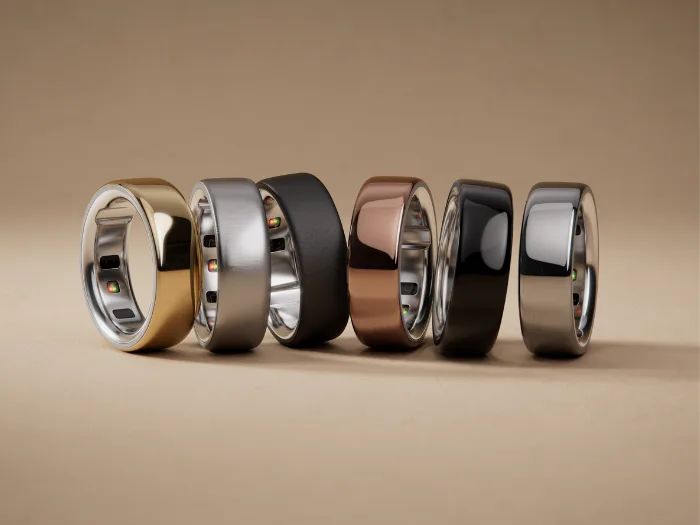
Oura is accused of misleading users about the accuracy of its sleep-tracking features. A class-action lawsuit filed against the company claims that because the Oura Ring does not measure a person’s brain waves, it cannot accurately identify different sleep stages such as REM, deep, and light sleep. According to the plaintiffs, Oura provides users with estimates generated through artificial intelligence and algorithms rather than directly measured data. In fact, the problem is not limited to the Oura Ring. The vast majority of smartwatches and other wearable devices also do not measure sleep stages directly. In clinical settings, polysomnography is used for accurate sleep analysis, recording various indicators, including brain waves.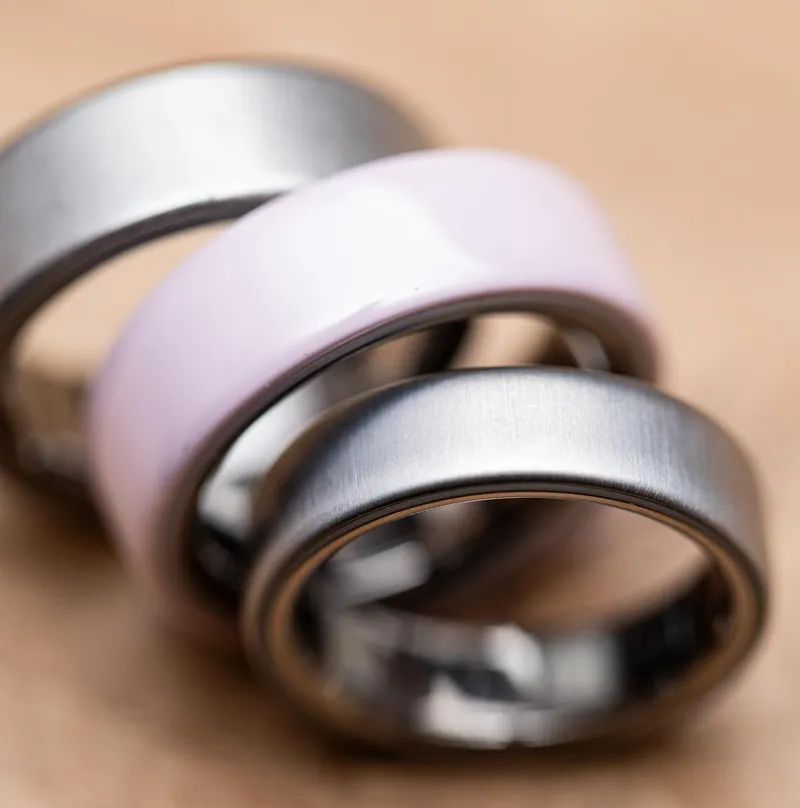 The Oura Ring analyzes heart rate, body temperature, movement, and other physiological data collected by sensors on the finger. Algorithms then use this data to estimate which sleep stage the user is in. Oura disagrees with the allegations. The company cited several studies published in peer-reviewed scientific journals that demonstrate the effectiveness of its sleep-tracking algorithms. According to the company, the data provided by the device has been validated using scientific methods. Independent research also generally shows that wearable devices are fairly good at determining when a person falls asleep and wakes up. However, results can be less accurate when it comes to distinguishing REM, deep, and light sleep individually. Sleeping position, the sensors’ contact with the skin, and even the battery’s condition can affect the results.