
18:12Machine-translated from Azerbaijani by AIRead in Azerbaijani
Pentagon Cannot Accurately Track 26 Million F-35 Parts at 700 Facilities
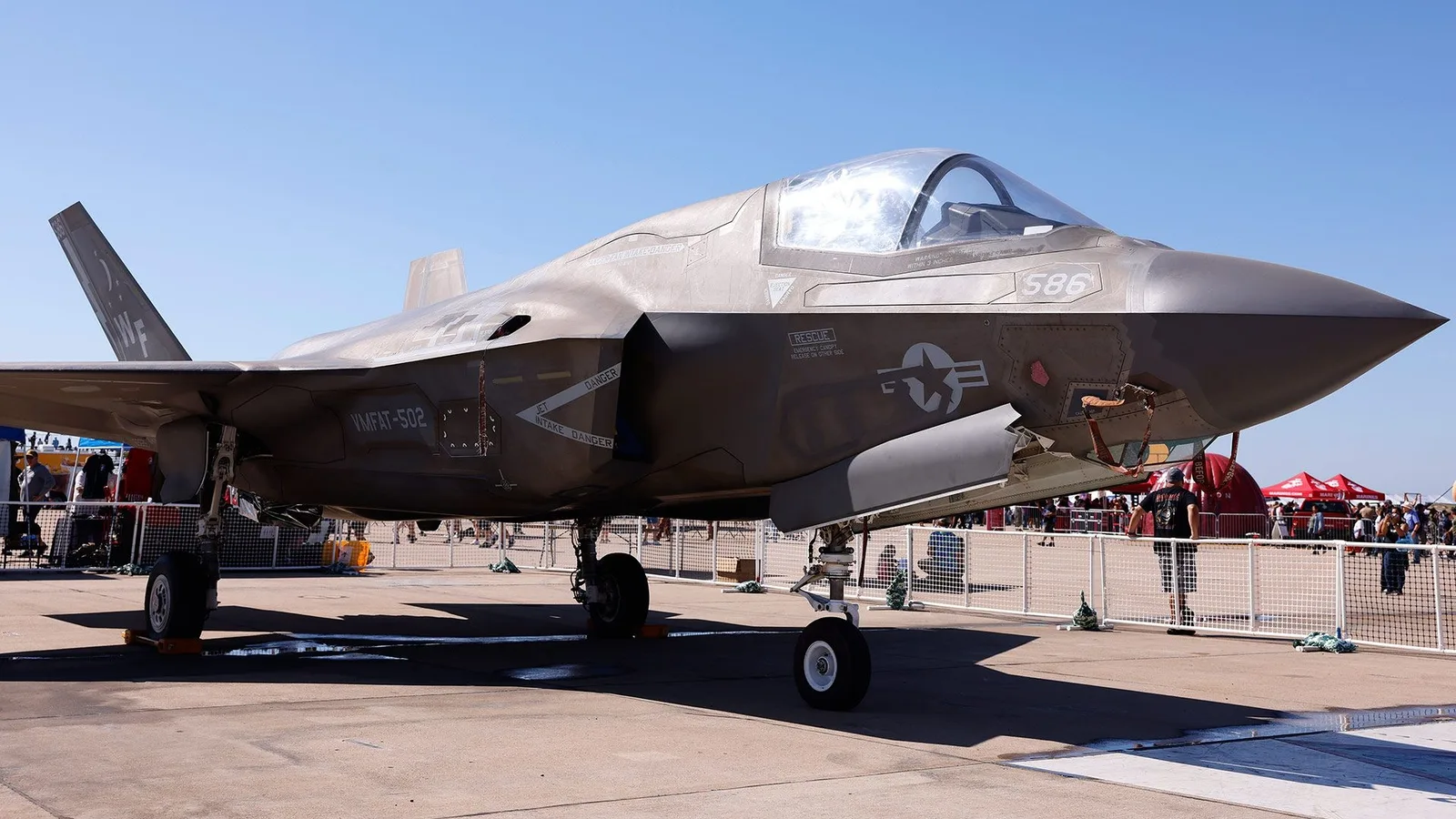
The U.S. Government Accountability Office has revealed that the Pentagon cannot accurately track approximately 26 million F-35 spare parts worth a total of $31 billion (approximately 52.7 billion manat). The parts are stored at 700 government and contractor facilities around the world. The current inventory system is outdated, and its data is neither accurate nor complete. These problems could affect the aircraft’s combat readiness and reliability. The F-35 program is expected to cost $1.9 trillion (approximately 3.23 trillion manat) over its entire service life. The oversight agency calls it the most expensive weapons system in history. Nevertheless, the U.S. Department of Defense continues to face long-standing problems with parts inventory and financial reporting. A large portion of the spare parts cannot be reliably verified. More than 1 million parts are currently considered missing. They are worth more than $85 million (approximately 144.5 million manat). The system also does not show the whereabouts of approximately 17,000 parts sent for repair. The total value of these parts could reach $42.5 billion (approximately 72.3 billion manat). Another example of the problem emerged in September while classified F-35 parts were being transported. A UPS employee allegedly rerouted the shipment through Hong Kong to save time. The employee is believed not to have seen an email instructing that the route not be changed. The shipment was allegedly later intercepted by China. This is the oversight agency’s 3rd report on the issue since 2019. According to the report, the Department of Defense has done very little to implement the previous recommendations. The regular on-site inventory counts recommended in 2022 have still not begun. There is also no reliable procedure for verifying incomplete and inaccurate data provided by the main contractors. The F-35 Joint Program Office is working to establish a permanent connection between its inventory software and the main contractors’ systems. To achieve this, technical systems are being upgraded, and direct real-time data sharing is planned. The goal is to eliminate gaps in inventory records and track the movement of spare parts more accurately.