
12:14Machine-translated from Azerbaijani by AIRead in Azerbaijani
Pentagon draft sought OpenAI AI that would refuse fewer requests
Documents disclosed during a court case involving the Freedom of Information Act (FOIA) showed that the Pentagon wanted a less restrictive AI system from OpenAI. A draft contract included the phrase “minimal refusal rate,” requiring models to reject as few requests as possible for certain military tasks. However, OpenAI and the Pentagon deny that this condition was included in the signed final contract. Both sides say the released document is an earlier draft of the contract.
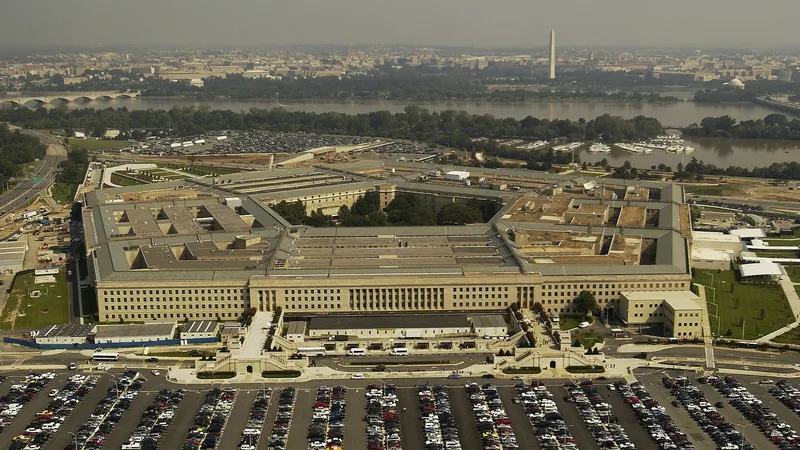
The disputed document describes the testing, evaluation and improvement of OpenAI models for defense purposes. According to the text, specialized models developed for government security were supposed to reject fewer requests during operations. OpenAI spokesperson Nate Evans said the company did not agree to that condition. According to him, the Pentagon prepared the draft, and the requirement was removed from the final text following feedback from the company.
The US Department of Defense also said that the phrase “minimal refusal” does not appear in any contract currently in effect. A Pentagon attorney initially authenticated the released document but later retracted that statement. Trevor Tiedeman, a research official at the agency, said the released records may have been confused with the signed agreement. He also said he would investigate how the document passed review before being released.

The documents were disclosed following a request to obtain final copies of military AI contracts. Nevertheless, officials say the released text is an earlier draft rather than the final agreement. Because OpenAI has not made the full contract public, it is impossible to independently verify all of its terms. The company later expanded the agreement to allow its services to be used on classified government networks.
The dispute has again raised the question of which safety restrictions will remain for AI used in military systems. For example, ChatGPT does not answer requests about planning a specific attack or selecting targets for a strike. According to experts, the phrase “minimal refusal” could indicate that the model would have very few or no safeguards. OpenAI, meanwhile, says the agreement retains prohibitions on autonomous weapons and certain surveillance activities targeting Americans. However, it has not been fully explained how these prohibitions will be applied in different military situations.