
12:46Machine-translated from Azerbaijani by AIRead in Azerbaijani
Qualcomm is developing Linux support for laptops with Snapdragon X2 processors
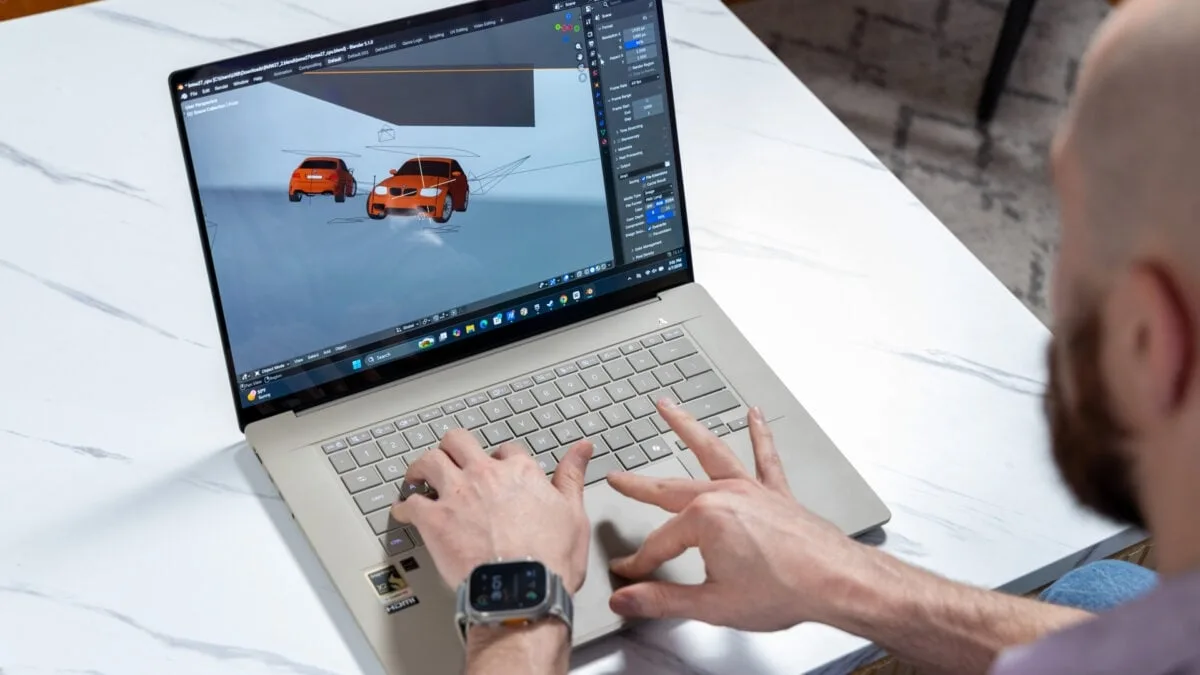
“Qualcomm” is developing official “Linux” support for laptops with “Snapdragon X2 Plus” and “Snapdragon X2 Elite” processors. This will allow buyers of new computers to choose a fully functional, open-source operating system instead of “Windows 11.” However, this support will not extend to the first generation of “Snapdragon X” chips. Owners of those devices will have to rely on versions developed by the “Linux” community.
In the first phase, the main drivers will be added directly to “Linux” projects. A driver is software that enables communication between hardware and the operating system. The list includes software support for “Oryon” processor cores and the “Hexagon” NPU. An NPU is a separate component that handles artificial intelligence-related calculations. This will make it easier to make devices compatible with the system and keep them updated.
In the next phase, “Qualcomm” plans to develop a functional test version of “Linux” based on “Debian” by the end of 2026. The company will also release a simple installation tool for compatible devices in the first half of 2027. The tool will support both “Debian” and “Ubuntu” versions. This will make it easier for ordinary users to install the operating system.
Cindy Goldberg, vice president of partnerships at “Canonical,” said “Ubuntu” should be certified for “Snapdragon” devices during that period. The first compatible models are expected to be laptops from “HP” and “Asus.” The “Asus Zenbook A16” is also on the list. However, it is not yet known whether manufacturers will sell those computers with “Linux” preinstalled.
“Microsoft” has recently been trying to reduce dissatisfaction with “Windows 11.” The company is working to make the system run better on low-powered laptops and is preparing to restore the ability to move the taskbar. The excessive prominence of “Copilot” features in the operating system has also drawn criticism. Official support from “Qualcomm” could help “Linux” spread more rapidly on ARM-based computers.