
17:05Machine-translated from Azerbaijani by AIRead in Azerbaijani
Radeon RX 7900 XTX Graphics Card’s 8-Pin Power Connectors Melt
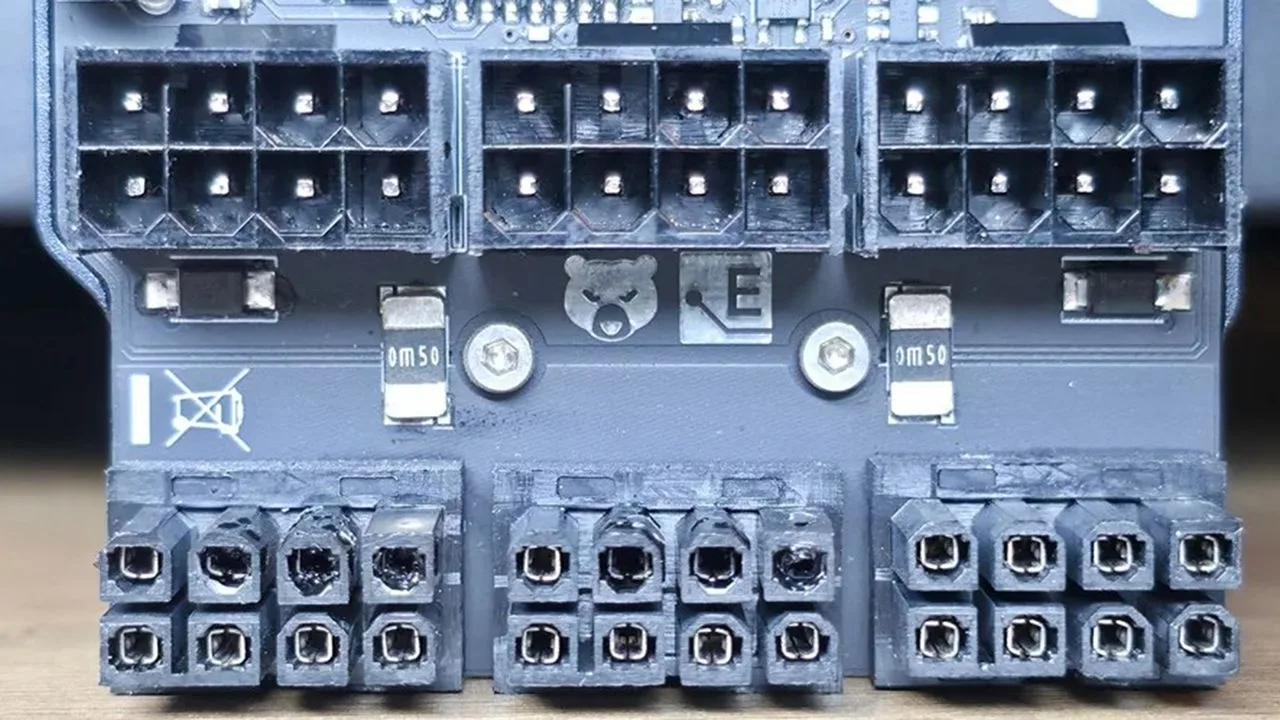
Excessive heat at the Radeon RX 7900 XTX graphics card’s power connectors caused serious damage. The incident occurred while the card was connected to a Thermal Grizzly WireView monitoring adapter. The user said the system frequently froze and the screen went black before the damage occurred. The user later found scorch marks and melted plastic on the 8-pin PCIe power connectors on the side of the adapter connected to the graphics card.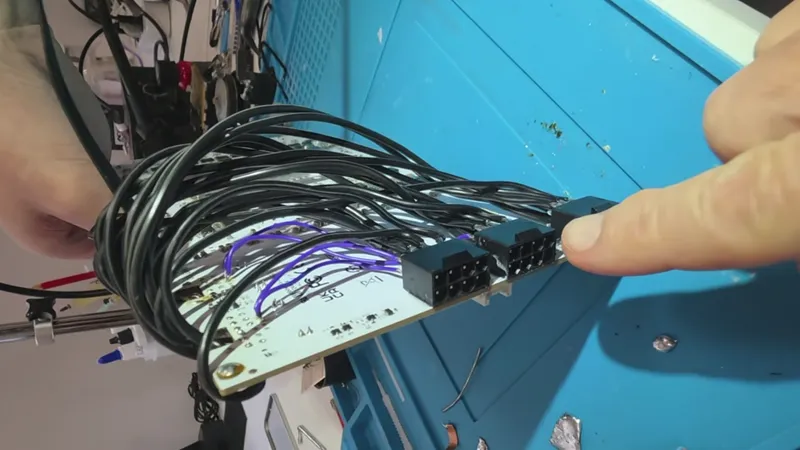 WireView is an adapter connected between a graphics card and its power cables. The device shows how much power the card uses, the voltage and current, as well as minimum and maximum power consumption. The power supply’s cables are connected first to the adapter and then to the graphics card. This creates additional connectors and contact points along the power line. According to the user, all connectors were fully inserted. Nevertheless, the exact cause of the failure is still unknown. Poor contact between the cables and connectors, increased electrical resistance, a damaged connector or a problem with the adapter could cause severe overheating. Thermal Grizzly had previously listed an incomplete connection, interference from the backplate, misaligned contacts or improper soldering among the possible causes. Thermal Grizzly contacted the affected user and asked them to speak with its support team. The company plans to examine the failed WireView adapter. The inspection may determine whether the problem was caused by the adapter, the power connectors, the graphics card or a combination of several factors. No definitive conclusion has yet been announced. A few days earlier, the standard 16-pin power connector on a heavily modified RTX 5090 graphics card had also been replaced. In its place, 3 8-pin connectors were soldered to the printed circuit board. With thick wires and modified sense pins, the card drew 900 W of power and reached a frequency of 3,400 MHz. However, this was not a factory configuration but a custom hardware modification. Therefore, that test cannot be considered representative of ordinary computer systems.