
16:58Machine-translated from Azerbaijani by AIRead in Azerbaijani
RTX 5090 Draws 658 W With DLSS 5 as Connector Reaches 91.7°C
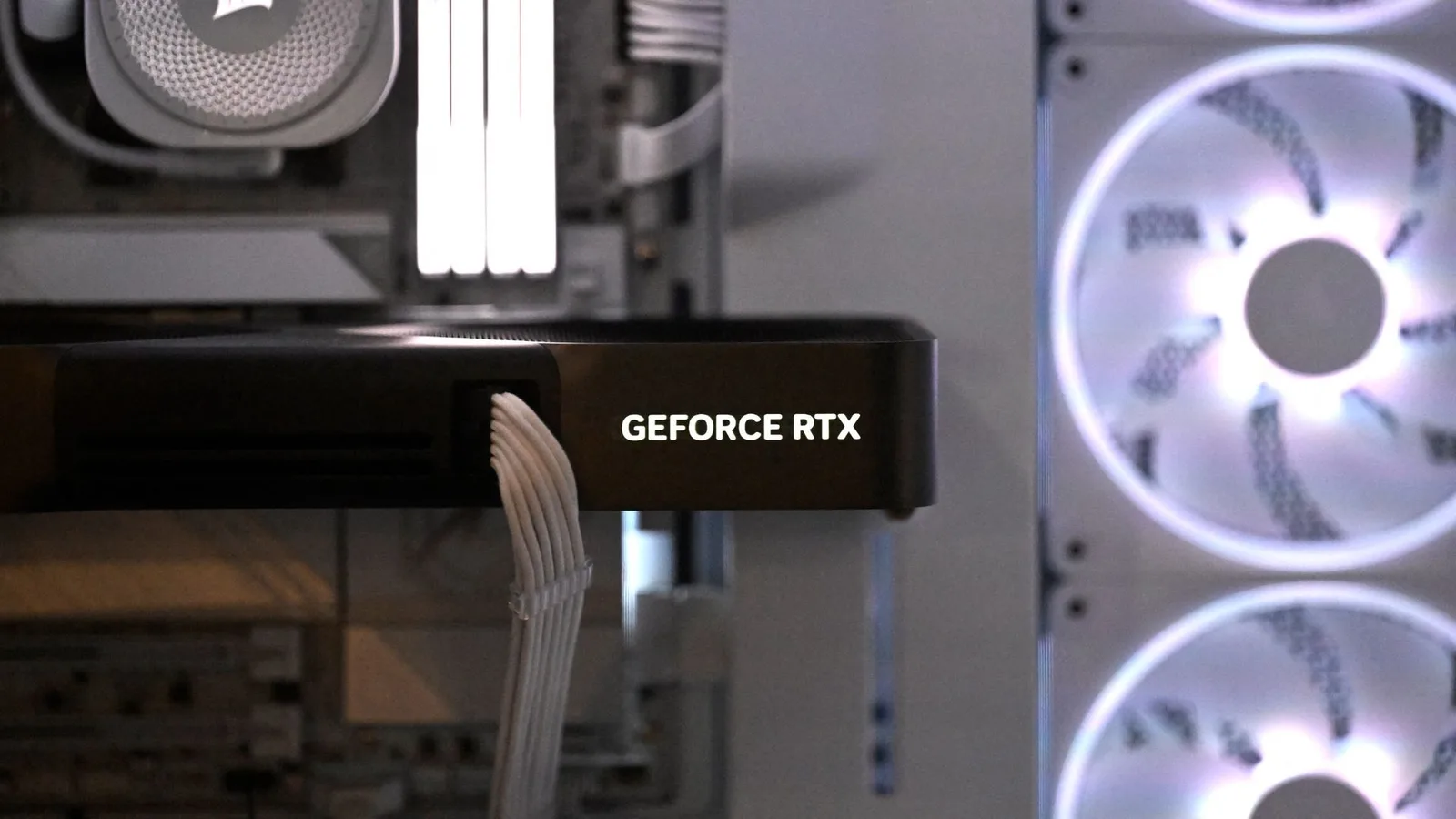
Testing conducted on the “Nvidia GeForce RTX 5090 Founders Edition” showed that DLSS 5 significantly increases power consumption and temperature. At its peak, the graphics card drew 658 W. A measurement at the 16-pin connector recorded 646.7 W. The hottest part of the connector reached 91.7°C, becoming even hotter than the graphics processor.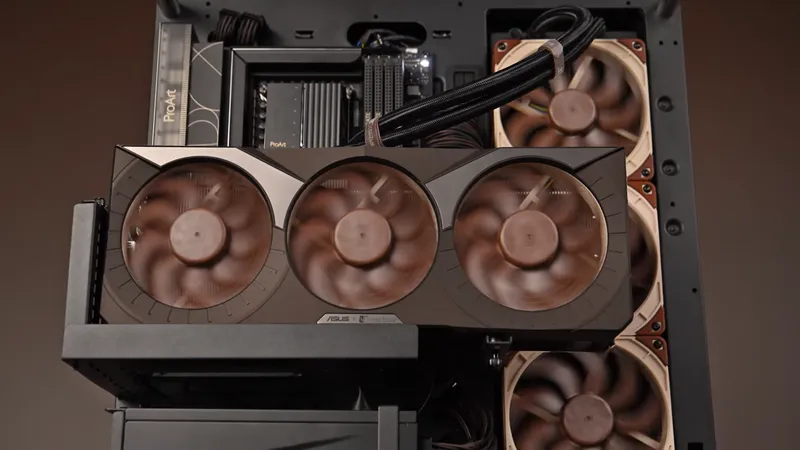 The test lasted 20 minutes under controlled conditions at a temperature of 27.5°C. “Cyberpunk 2077” was run at 4K resolution with high graphics settings and DLSS Quality mode. The “GeForce RTX 5090 Founders Edition,” “Asus ROG Astral GeForce RTX 5090,” and “GeForce RTX 5080 Founders Edition” models were tested. The main focus was the 16-pin connector supplying power to the graphics card. With DLSS 5 disabled, the latch side of the “RTX 5090” connector reached 77.1°C, while the other side reached 80.9°C. When the technology was enabled, the latch side heated up to 83.4°C and the other side to 91.7°C. The graphics processor’s average temperature rose from 79.4°C to 83°C. On the “RTX 5080,” the connector heated up less, reaching a maximum of 52.2°C.
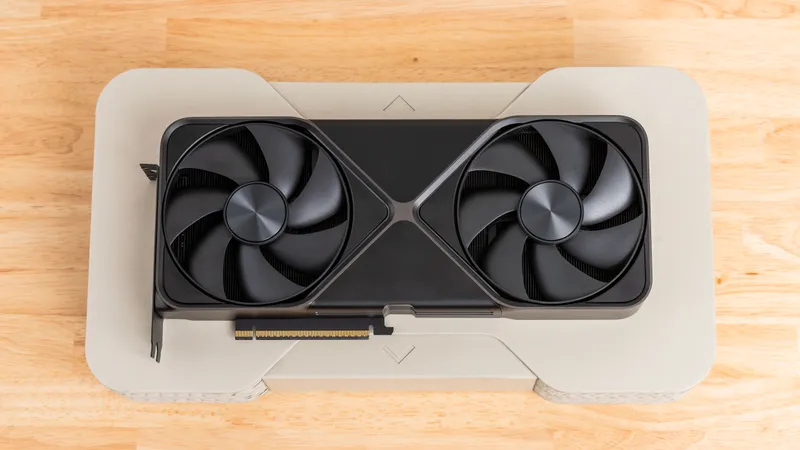 According to data from “HWiNFO,” the “RTX 5090’s” average power consumption rose from 509.2 W to 575.1 W when DLSS 5 was enabled. On the “RTX 5080,” the figure increased from 298.2 W to 350.3 W. The “PCAT” tool, which measures directly through the circuit board, recorded average power consumption of 593.9 W for the “RTX 5090.” The peak figure was 658 W. Power consumption increased by approximately 13% under both measurement methods.
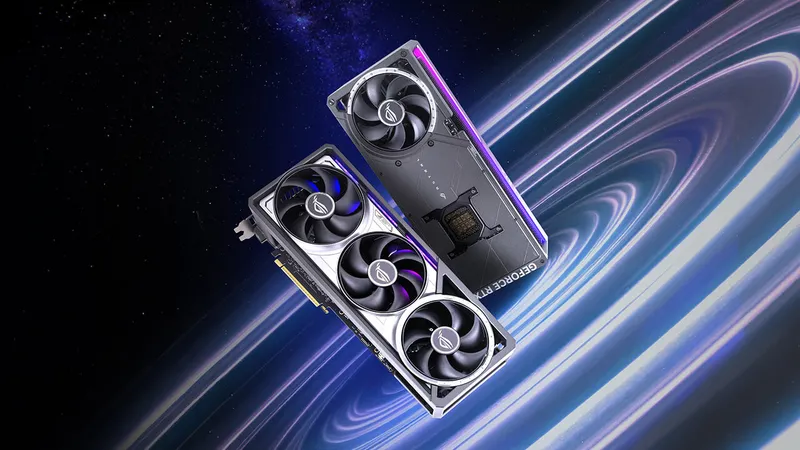 The electrical current passing through the 6 power pins of the “Asus ROG Astral RTX 5090” was also measured separately. With DLSS 5 disabled, the figure ranged from 6.94 to 7.47 A. When the technology was enabled, the current rose to between 7.83 and 8.51 A. Under the “PCI-SIG” standard, the upper limit for each pin is 9.2 A. When one of the pins was not working, DLSS 5 pushed the current to 10.1 A. This exceeded the standard limit by 10%. The increase was greater on the “GeForce RTX 5090 32G Lightning Z,” which has a higher power limit. With DLSS 5, power consumption rose to 592 W at 1080p and 695 W at 1440p. At 4K, the figure reached 848 W. When the 16-pin connector is loosely connected, the electrical load is distributed among the remaining pins, and such an increase may raise the risk of melting. At least 1 user incident involving a melted connector was also recorded during DLSS 5 testing.
The test lasted 20 minutes under controlled conditions at a temperature of 27.5°C. “Cyberpunk 2077” was run at 4K resolution with high graphics settings and DLSS Quality mode. The “GeForce RTX 5090 Founders Edition,” “Asus ROG Astral GeForce RTX 5090,” and “GeForce RTX 5080 Founders Edition” models were tested. The main focus was the 16-pin connector supplying power to the graphics card. With DLSS 5 disabled, the latch side of the “RTX 5090” connector reached 77.1°C, while the other side reached 80.9°C. When the technology was enabled, the latch side heated up to 83.4°C and the other side to 91.7°C. The graphics processor’s average temperature rose from 79.4°C to 83°C. On the “RTX 5080,” the connector heated up less, reaching a maximum of 52.2°C. According to data from “HWiNFO,” the “RTX 5090’s” average power consumption rose from 509.2 W to 575.1 W when DLSS 5 was enabled. On the “RTX 5080,” the figure increased from 298.2 W to 350.3 W. The “PCAT” tool, which measures directly through the circuit board, recorded average power consumption of 593.9 W for the “RTX 5090.” The peak figure was 658 W. Power consumption increased by approximately 13% under both measurement methods. The electrical current passing through the 6 power pins of the “Asus ROG Astral RTX 5090” was also measured separately. With DLSS 5 disabled, the figure ranged from 6.94 to 7.47 A. When the technology was enabled, the current rose to between 7.83 and 8.51 A. Under the “PCI-SIG” standard, the upper limit for each pin is 9.2 A. When one of the pins was not working, DLSS 5 pushed the current to 10.1 A. This exceeded the standard limit by 10%. The increase was greater on the “GeForce RTX 5090 32G Lightning Z,” which has a higher power limit. With DLSS 5, power consumption rose to 592 W at 1080p and 695 W at 1440p. At 4K, the figure reached 848 W. When the 16-pin connector is loosely connected, the electrical load is distributed among the remaining pins, and such an increase may raise the risk of melting. At least 1 user incident involving a melted connector was also recorded during DLSS 5 testing.