
20:41Machine-translated from Azerbaijani by AIRead in Azerbaijani
Samsung Adds 3-Tier AI Analysis to Sleep Apnea Feature
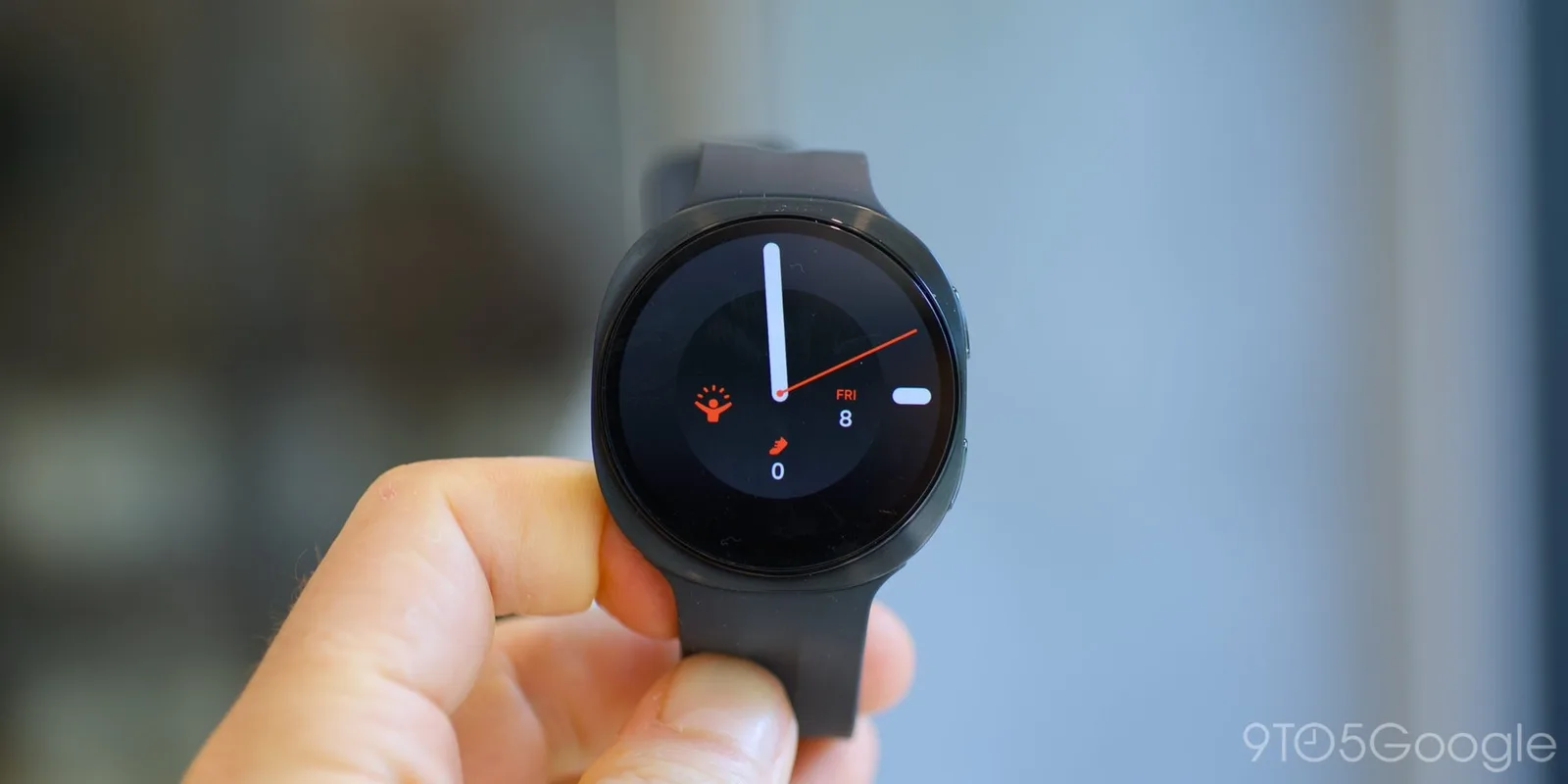
Samsung has updated its feature that detects sleep apnea, or interruptions or disturbances in breathing during sleep. The AI-powered version will be launched in November and will initially be available in South Korea. The system will analyze breathing disturbances during sleep in greater detail, helping identify the problem early.
The updated feature does more than indicate possible signs of moderate and severe sleep apnea. The system uses AI to calculate how many breathing disturbances occur each hour. Based on their frequency, the result is assigned to 1 of 3 levels: mild, occasional or frequent. This gives users more detailed information about their sleep habits than before.
The results can be viewed in the Samsung Health Monitor app. To use the feature, sleep data from 2 separate nights must be recorded within 10 days. At least 5 hours of sleep is required each night. The original feature was approved in South Korea in 2023. Approval for the US market was granted in early 2024. According to Samsung, that version is currently available in 84 countries.
The new version received FDA approval in July. It has also been approved by South Korea’s Ministry of Food and Drug Safety. The feature will initially be available on Galaxy Watch Ultra2, Galaxy Watch9 and Galaxy Ring devices. It will come to Galaxy Watch7 and Galaxy Watch8 models running Wear OS 7.0 or later through a software update.
The previous feature will remain on Galaxy Watch4 and later models running Wear OS 5.0 or later. That version only indicates whether signs of sleep apnea have been detected. Because Galaxy Ring is lightweight, it is more convenient for collecting the necessary data throughout the night. Samsung emphasizes that the results are not a substitute for a medical diagnosis and serve only as additional information when speaking with a doctor.
According to estimates from the US National Sleep Foundation, approximately 25 percent of men in the country suffer from sleep apnea. The figure for women is 10 percent. Most of them are unaware of the problem. By presenting breathing disturbances more clearly, the enhanced feature could encourage users to consult a doctor promptly.