
08:31Machine-translated from Azerbaijani by AIRead in Azerbaijani
Samsung Galaxy Devices Surpass 1.2 Billion Active Users
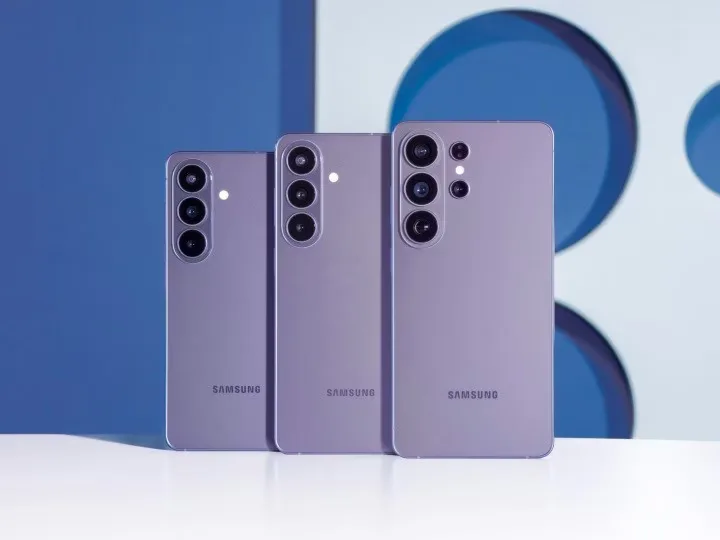
Samsung has announced that the number of people actively using Galaxy devices worldwide has surpassed 1.2 billion. The company’s devices across various price categories, hardware innovations and models that helped create new categories, such as the Galaxy Note and Fold, have played a major role in reaching this milestone.
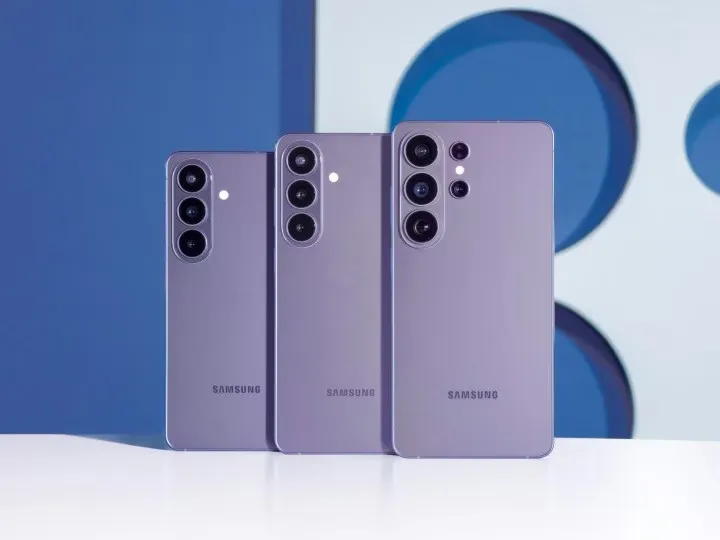
The information was revealed in a video posted on YouTube by Samsung Japan. The figure includes active users of Galaxy smartphones and tablets.
One of Samsung’s main strengths is its wide range of models. The company offers devices in virtually every price category, from the affordable Galaxy A series to expensive flagships and foldable smartphones.
Samsung introduced its first Android smartphone, the Galaxy GT-I7500, in June 2009. The lineup’s development accelerated in 2010 with the launch of the first Galaxy S model. The Galaxy Note and S Pen, introduced in 2011, played a major role in popularizing large-screen smartphones.
In subsequent years, the company added a range of innovations to the Galaxy lineup. The Galaxy Note Edge debuted with a curved-edge display in 2014, while the Galaxy S6 and S6 Edge were introduced with a new metal-and-glass design in 2015. The Galaxy S6 series also added support for Samsung Pay.
Samsung entered the foldable smartphone market with the introduction of the first Galaxy Fold in 2019. The company now offers foldable Galaxy models in different shapes and sizes. The Galaxy S20 Ultra debuted with a 108 MP camera and 100x Space Zoom in 2020, while the Galaxy S24 series was introduced with Galaxy AI and seven years of update support in 2024. In 2026, the Galaxy S26 Ultra was introduced as the first smartphone with built-in Privacy Display technology.
The key milestones in the development of the Galaxy lineup are:
- 2009 — the first Galaxy smartphone, the Galaxy GT-I7500;
- 2010 — the first model in the Galaxy S series;
- 2011 — the Galaxy S II, with total sales exceeding 40 million;
- 2011 — the first Galaxy Note equipped with the S Pen;
- 2012 — the Galaxy S III, with sales exceeding 70 million;
- 2014 — the Galaxy Note Edge with a curved-edge display;
- 2015 — the Galaxy S6 and S6 Edge with a metal-and-glass design and Samsung Pay;
- 2016 — the Galaxy S7 and S7 Edge with IP68 and Dual Pixel autofocus technology;
- 2017 — the Galaxy S8 and S8+ with Infinity Display and Samsung DeX;
- 2018 — the Galaxy S9, which brought the One UI interface and 4K 60 FPS video recording to the Galaxy lineup;
- 2019 — the Galaxy Fold with a foldable display;
- 2020 — the Galaxy S20 Ultra with a 108 MP camera and 100x Space Zoom;
- 2024 — the Galaxy S24 series with Galaxy AI and seven years of update support;
- 2026 — the Galaxy S26 Ultra with built-in Privacy Display technology.
Alongside its hardware, Samsung has also expanded the capabilities of the Galaxy ecosystem. Smart Switch makes it easier to transfer data from an old device to a new Galaxy model. RCS and Quick Share expand data-sharing capabilities between devices on different platforms.
Galaxy devices use the Samsung Knox platform for security. This system is designed to protect user data and privacy at the hardware and software levels.
Thus, 17 years after the introduction of the first Android-based Galaxy smartphone in 2009, the number of active Samsung Galaxy smartphone and tablet users has surpassed 1.2 billion.